Many people wonder will hair grow back after stress and how long the journey might take. Stress‑induced hair loss is a common concern that can affect anyone experiencing intense emotional or physical pressure. In this article we’ll explore the science behind stress‑related shedding, outline realistic timelines for regrowth, and provide practical strategies to help your hair recover naturally. According to dermatology research, up to 30% of temporary hair loss cases are linked to stressful events, making it a topic worth understanding.
We’ll start by examining the mechanisms that cause hair to fall out during stressful periods, then move on to the factors that influence how quickly it can return. You’ll also learn when it’s appropriate to seek professional help, such as hair‑restoration procedures offered by Gold City Hair. By the end of this guide, you’ll have a clear picture of whether will hair grow back after stress and the steps you can take to support the process.
Whether you’ve noticed a few extra strands on your pillow or a more noticeable thinning across the scalp, the answers lie in understanding the hair growth cycle and how stress disrupts it. Let’s dive in.
What Causes Stress‑Related Hair Loss?
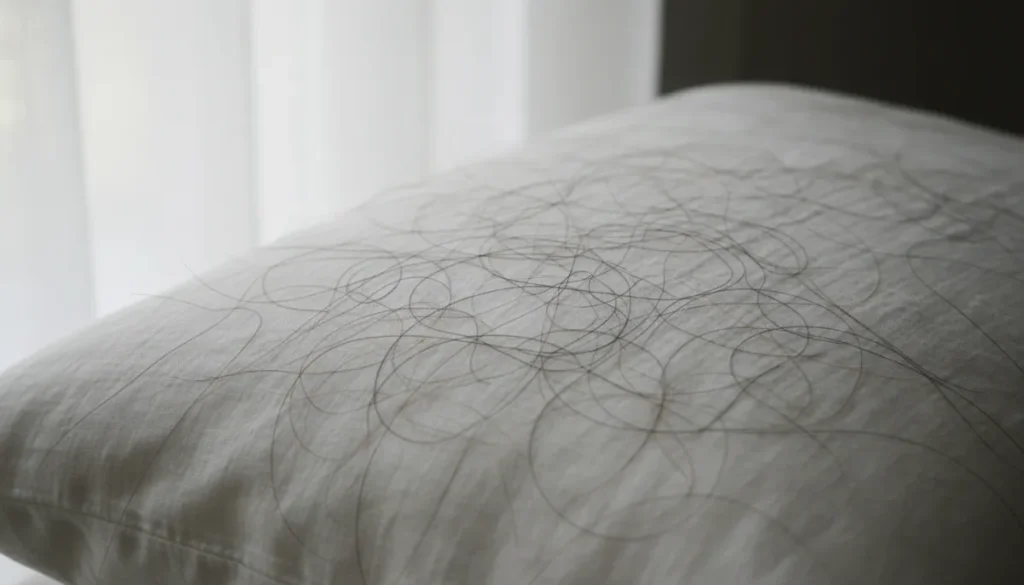
Stress can push a large number of hair follicles into the resting phase, known as telogen. This condition, called telogen effluvium, typically occurs weeks after a stressful event. The sudden shift in the hair cycle results in increased shedding, often noticed as hair falling out in clumps or on the pillow each morning.
Common triggers include:
- Major life changes (e.g., job loss, divorce)
- Intense physical exertion or illness
- Chronic anxiety or depression
- Poor sleep quality
Below is a quick comparison of telogen effluvium with other common types of hair loss:
| Feature | Telogen Effluvium | Androgenetik Alopesi | Alopesi Areata |
|---|---|---|---|
| Typical Onset | 2‑4 months after stress | Gradual, years | Sudden, patchy |
| Hair Follicle Status | Shifted to telogen phase | Miniaturization | Autoimmune attack |
| Reversibility | Usually reversible | Progressive | Variable |
Understanding that telogen effluvium is typically temporary helps answer the question of will hair grow back after stress. In most cases, once the underlying stressor is resolved, hair follicles resume their normal growth cycle, and shedding diminishes.
How Long Does It Take for Hair to Grow Back?
The timeline for regrowth varies, but most individuals see noticeable improvement within three to six months after the stressor has been removed. Hair growth follows a predictable cycle: anagen (growth), catagen (transition), and telogen (rest). After a telogen episode, follicles re‑enter the anagen phase, producing new shafts at an average rate of about 1 cm per month.
Factors influencing the speed of regrowth include:
- Age and overall health
- Nutrition and vitamin levels
- Severity and duration of the stress event
- Genetic predisposition to hair thinning
Below is an estimated timeline for natural regrowth after a stress‑related shedding episode:
| Time After Stress Reduction | Expected Hair Changes |
|---|---|
| 0‑4 weeks | Shedding continues, follicles still in telogen |
| 1‑3 months | New hair shafts begin to emerge, fine and short |
| 3‑6 months | Visible thickening, hair length increases |
| 6‑12 months | Near‑full restoration for most cases |
Patience is essential; while the question “will hair grow back after stress” often receives an optimistic answer, individual results can differ. Maintaining a healthy scalp environment accelerates the process.
Effective Ways to Support Natural Hair Regrowth
While the body often repairs itself, certain habits can speed up the recovery. A balanced diet rich in vitamins and minerals plays a crucial role in strengthening new hair shafts. Key nutrients include biotin, zinc, iron, and omega‑3 fatty acids.
Practical steps to encourage regrowth:
- Consume protein‑rich foods such as lean meats, legumes, and nuts.
- Include leafy greens for iron and folate.
- Take a daily multivitamin that contains biotin and zinc.
- Massage the scalp gently to improve blood flow.
- Avoid tight hairstyles that stress the follicles.
Here is a quick reference of nutrients and their hair‑benefiting properties:
| Nutrient | Food Sources | Benefit for Hair |
|---|---|---|
| Biotin (Vitamin B7) | Eggs, almonds, sweet potatoes | Supports keratin production |
| Iron | Spinach, red meat, lentils | Prevents anemia‑related shedding |
| Zinc | Pumpkin seeds, oysters, chickpeas | Regulates oil glands, reduces hair loss |
| Omega‑3 Fatty Acids | Salmon, flaxseeds, walnuts | Improves scalp elasticity and reduces inflammation |
Incorporating these habits not only answers the lingering question of will hair grow back after stress but also fortifies your hair against future episodes of shedding.
When to Seek Professional Treatment
Most cases of stress‑related shedding resolve with time and proper self‑care, but some individuals experience prolonged thinning or notice gaps that do not fill. If you observe any of the following, it may be time to consult a hair‑restoration specialist:
- Persistent shedding beyond six months
- Visible bald patches or uneven density
- Concurrent signs of androgenetic alopecia
- Underlying medical conditions that could exacerbate loss
Professional options range from medical therapies to surgical restoration. Below is a brief comparison of the most common interventions offered at Gold City Hair:
| Treatment | Method | Ideal For | Recovery Time |
|---|---|---|---|
| Topical Minoxidil | Liquid solution applied daily | Early‑stage thinning | 2‑4 weeks to see effect |
| Platelet‑Rich Plasma (PRP) | Injecting concentrated platelets into scalp | Enhanced regrowth after stress | 1‑2 days post‑procedure |
| FUE Hair Transplant | Foliküler Ünite Ekstraksiyonu | Permanent density restoration | 7‑10 days for initial healing |
| DHI Technique | Direct Hair Implantation | Precision placement, minimal scarring | 5‑7 days for initial healing |
Choosing the right approach depends on the extent of loss, personal goals, and overall scalp health. A thorough consultation can determine whether your hair will grow back after stress on its own or if a procedural boost is advisable.
Preventing Future Stress‑Induced Hair Loss
Even after recovery, maintaining a low‑stress lifestyle helps protect your hair. Chronic stress can trigger repeated episodes of telogen effluvium, making prevention as important as treatment.
Key strategies include:
- Regular physical activity (30 minutes most days)
- Mindfulness practices such as meditation or deep‑breathing
- Adequate sleep—7‑9 hours per night
- Time management to reduce work‑related pressure
- Professional counseling when emotional burdens feel overwhelming
Below is a concise table of stress‑reduction techniques and their impact on hair health:
| Technique | Frequency | Hair‑Health Benefit |
|---|---|---|
| Yoga | 3‑5 sessions/week | Balances hormones, lowers cortisol |
| Progressive Muscle Relaxation | 10 min daily | Reduces tension in scalp muscles |
| Digital Detox | 1‑2 hours before bedtime | Improves sleep quality, supports growth phase |
| Journaling | 15 min each evening | Manages emotional stress, prevents chronic shedding |
By integrating these habits, you reinforce the answer to will hair grow back after stress with a proactive approach that minimizes future episodes.
Why Choose Gold City Hair for Your Hair Restoration Journey
Gold City Hair combines years of expertise with cutting‑edge techniques such as FUE and DHI to deliver personalized hair restoration solutions. Since 2017, our clinic in Turkey has helped thousands regain confidence through natural‑looking results and transparent communication. Our team tailors each treatment plan to the individual’s unique hair loss pattern, ensuring optimal outcomes whether you are recovering from stress‑related shedding or seeking permanent restoration.
Ready to see if your hair can regrow after stress? Contact Gold City Hair today for a personalized consultation and discover the best path to a fuller, healthier scalp.
Take the first step toward renewed confidence—schedule your appointment now.
SSS
What is telogen effluvium and how does stress trigger it?
Telogen effluvium is a temporary form of hair loss where many follicles enter the resting (telogen) phase after a stressful event.
How long does it normally take for hair to grow back after stress‑induced shedding?
Most people see visible improvement within three to six months after the stressor is removed.
Which nutrients are most important for supporting natural hair regrowth?
Biotin, iron, zinc, and omega‑3 fatty acids are key nutrients that promote healthy hair growth.
When should someone consider professional hair‑restoration treatment for stress‑related loss?
If shedding persists beyond six months, or if bald patches or uneven density appear, professional help is advisable.
What lifestyle changes can help prevent future stress‑induced hair loss?
Regular exercise, mindfulness practices, adequate sleep, and effective time management reduce stress and protect hair health.
Can scalp massage actually speed up hair regrowth?
Yes, gentle scalp massage increases blood flow, delivering nutrients that can accelerate hair follicle activity.





