When it comes to prp hair growth, many people seek a minimally invasive solution that harnesses the body’s own healing power. Platelet‑rich plasma (PRP) therapy has emerged as a popular option for individuals battling thinning hair or early‑stage baldness. In this article we explore the science behind PRP, what a treatment journey looks like, realistic results, and how Gold City Hair integrates this technique into a comprehensive hair restoration plan.
Hair loss affects up to 40 % of men and women by age 35, and the psychological impact can be profound. Traditional remedies such as topical minoxidil or oral finasteride offer benefits but may not suit everyone. PRP provides a biologically driven alternative that can be combined with surgical transplants for enhanced outcomes.
Read on to understand how PRP works, who can benefit, and why choosing an experienced clinic matters for optimal prp hair growth results.
Understanding PRP and How It Works for Hair Growth
Platelet‑rich plasma is a concentration of platelets derived from the patient’s own blood. These platelets release growth factors that stimulate cell proliferation, angiogenesis, and tissue repair—processes essential for revitalizing dormant hair follicles.
What Is Platelet‑Rich Plasma?
During a prp injection session, a small amount of blood is drawn, then spun in a centrifuge to separate the plasma rich in platelets from red blood cells. The resulting plasma contains a cocktail of growth factors such as PDGF, TGF‑β, and VEGF, which are key drivers of the hair growth cycle.
Biological Mechanism for Hair Follicles
The growth factors interact with stem cells in the scalp, extending the anagen (growth) phase and reducing the telogen (resting) phase. This shift can reactivate miniaturized follicles, leading to thicker, healthier strands.
- Increases blood supply to the scalp.
- Promotes collagen production for a stronger follicular environment.
- Reduces inflammation that may contribute to hair shedding.
| Treatment | Invasiveness | Typical Sessions | Average Hair Regrowth (%) |
|---|---|---|---|
| PRP Therapy | Minimal invaziv | 3‑4 sessions over 6‑12 weeks | 30‑45 % |
| Minoxidil (Topical) | Non‑invasive | Ongoing daily use | 15‑25 % |
| Hair Transplant (FUE/DHI) | Surgical | 1‑2 procedures | 80‑90 % |
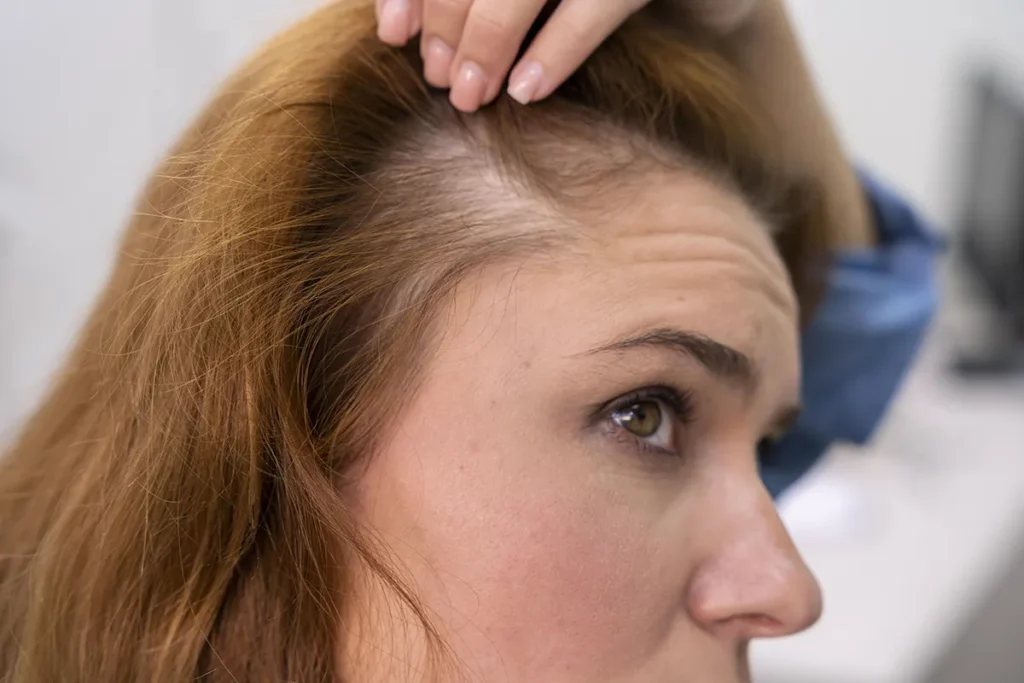
The PRP Treatment Process: What to Expect
Understanding each step of the prp hair treatment helps set realistic expectations and ensures you’re prepared for optimal results.
Consultation and Evaluation
During the initial visit, a specialist assesses your hair loss pattern, medical history, and scalp condition. High‑resolution photography and trichoscopic analysis are used to determine suitability for PRP.
Blood Draw and Centrifugation
Approximately 10‑20 ml of blood is drawn from your arm. The sample is placed in a sterile centrifuge for 10‑15 minutes, separating the platelet‑rich layer from other components. The concentrated plasma is then drawn into a syringe for injection.
Injection Sessions and Aftercare
The clinician injects the PRP into targeted scalp areas using a fine‑gauge needle. Typical protocols involve three to four sessions spaced four weeks apart, followed by maintenance sessions every 4‑6 months.
- Post‑procedure: mild redness may occur, usually resolves within 24 hours.
- Avoid strenuous exercise and excessive sun exposure for 48 hours.
- Continue a balanced diet rich in protein and vitamins to support growth.
| Stage | Duration | Key Activities |
|---|---|---|
| Danışmanlık | 30‑45 min | Scalp analysis, treatment plan |
| PRP Preparation | 15‑20 min | Blood draw, centrifugation |
| Injection | 20‑30 min | Targeted scalp injections |
| Recovery | 1‑2 days | Gentle care, follow‑up instructions |
Effectiveness and Results: Evidence and Expectations
Numerous clinical studies have examined the efficacy of prp therapy hair for stimulating regrowth. While individual outcomes vary, the overall trend shows promising improvements for many patients.
Clinical Studies Overview
A 2022 randomized controlled trial involving 100 participants reported a mean increase of 35 % in hair density after three PRP sessions compared to a placebo group. Another meta‑analysis of 12 studies concluded that PRP yields statistically significant gains in hair thickness and patient satisfaction.
Typical Timeline for Visible Growth
Most patients notice early signs of improvement—such as reduced shedding—within 8‑12 weeks. Substantial regrowth, measured by increased strand count and thickness, typically appears after 4‑6 months of consistent treatment.
| Time After First Session | Observed Changes |
|---|---|
| 0‑2 weeks | Minimal, possible scalp redness |
| 8‑12 weeks | Reduced shedding, early thickening |
| 4‑6 months | Noticeable increase in density |
| 12 months+ | Stabilized results, maintenance phase |
- Factors influencing success: age, stage of hair loss, lifestyle, and adherence to protocol.
- Combining PRP with microneedling can enhance absorption of growth factors.
- Patients with androgenetic alopecia often experience the most measurable benefits.
Who Is a Good Candidate for PRP Hair Growth?
Not everyone will achieve the same level of success with prp hair restoration. Identifying suitable candidates helps maximize the benefits and avoid unnecessary procedures.
Types of Hair Loss Addressed
PRP is most effective for:
- Early‑stage androgenetic alopecia (male and female pattern hair loss).
- Thinning hair due to telogen effluvium.
- Post‑surgical or post‑traumatic hair loss where follicles remain viable.
Age and Health Considerations
Patients aged 18‑55 with good overall health typically respond best. Those with severe scarring, advanced follicular loss, or certain blood disorders may see limited results.
Contraindications and Precautions
- Active infection or skin disease on the scalp.
- Blood clotting disorders or anticoagulant therapy.
- Pregnancy or breastfeeding (deferral recommended).
Consulting a qualified specialist ensures a thorough evaluation and personalized treatment plan.
Combining PRP with Other Hair Restoration Techniques
Many clinics, including Gold City Hair, integrate PRP with surgical and non‑surgical options to achieve comprehensive outcomes.
PRP + FUE/DHI Transplant
Pre‑treating the donor and recipient areas with PRP can improve graft survival rates. Studies show a 10‑15 % increase in graft retention when PRP is applied during the transplant procedure.
PRP + Microneedling
Microneedling creates micro‑channels that enhance PRP absorption. A combined protocol often involves microneedling followed by immediate PRP application, boosting the release of growth factors into deeper scalp layers.
| Combination | Benefit | Typical Protocol |
|---|---|---|
| PRP + FUE/DHI | Higher graft survival | PRP injection 1‑2 weeks before and after transplant |
| PRP + Microneedling | Enhanced growth factor penetration | Microneedling session followed by immediate PRP |
| PRP + Minoxidil | Synergistic stimulation | Daily topical use alongside monthly PRP |
Integrating these modalities allows patients to address both thinning areas and advanced baldness, creating a more robust, long‑lasting solution.
Why Choose Gold City Hair for PRP Hair Growth
Gold City Hair combines cutting‑edge PRP technology with a decade of expertise in hair restoration. Our clinic in Turkey offers personalized treatment plans, state‑of‑the‑art equipment, and a team of certified dermatologists and surgeons dedicated to transparent communication and patient comfort. By choosing us, you benefit from proven protocols, meticulous follow‑up, and a supportive environment that prioritizes natural, lasting results.
Ready to revitalize your hair with PRP? Contact Gold City Hair today to schedule a comprehensive consultation and start your journey toward fuller, healthier hair.
SSS
What is PRP hair growth therapy and how does it work?
PRP hair growth therapy uses platelet‑rich plasma derived from your own blood to deliver growth factors that stimulate hair‑follicle activity and promote new growth.
How many PRP sessions are typically needed for noticeable hair regrowth?
Most protocols recommend 3‑4 sessions spaced four weeks apart, followed by maintenance treatments every 4‑6 months.
Who is an ideal candidate for PRP hair treatment?
Early‑stage androgenetic alopecia, telogen effluvium, and post‑surgical thinning in healthy adults aged 18‑55 are the best candidates.
What results can I expect from PRP therapy and how long does it take?
Typical patients see a 30‑45% increase in hair density after 4‑6 months, with early signs of reduced shedding within 8‑12 weeks.
Can PRP be combined with other hair restoration methods?
Yes, PRP is frequently paired with FUE/DHI transplants, microneedling, and topical minoxidil for enhanced outcomes.
Why should I choose Gold City Hair in Turkey for PRP treatment?
Gold City Hair offers experienced dermatologists, state‑of‑the‑art equipment, and a proven PRP protocol at competitive prices in Turkey.