Finding natural help for thinning hair can feel overwhelming, especially when the market is flooded with quick‑fix promises. This article explores evidence‑based strategies that support hair density without resorting to harsh chemicals or invasive procedures. You’ll learn why early intervention matters, which lifestyle tweaks truly make a difference, and how to combine nutrition, topical care, and professional guidance for lasting results.
Did you know that up to 40 % of men and 30 % of women experience noticeable hair thinning by age 35? The underlying causes are often a mix of genetics, hormonal shifts, and environmental stressors. Understanding these factors is the first step toward effective, sustainable improvement.
We’ll walk through practical, science‑backed approaches—from balanced meals rich in essential micronutrients to gentle scalp massages that stimulate circulation. Whether you’re dealing with subtle thinning or more pronounced hair loss, the methods outlined here empower you to take control of your hair health naturally.
By the end of this guide, you’ll have a clear roadmap that blends everyday habits with targeted treatments, helping you restore confidence and achieve healthier, fuller‑looking hair.
Understanding Thinning Hair: Causes and Early Signs
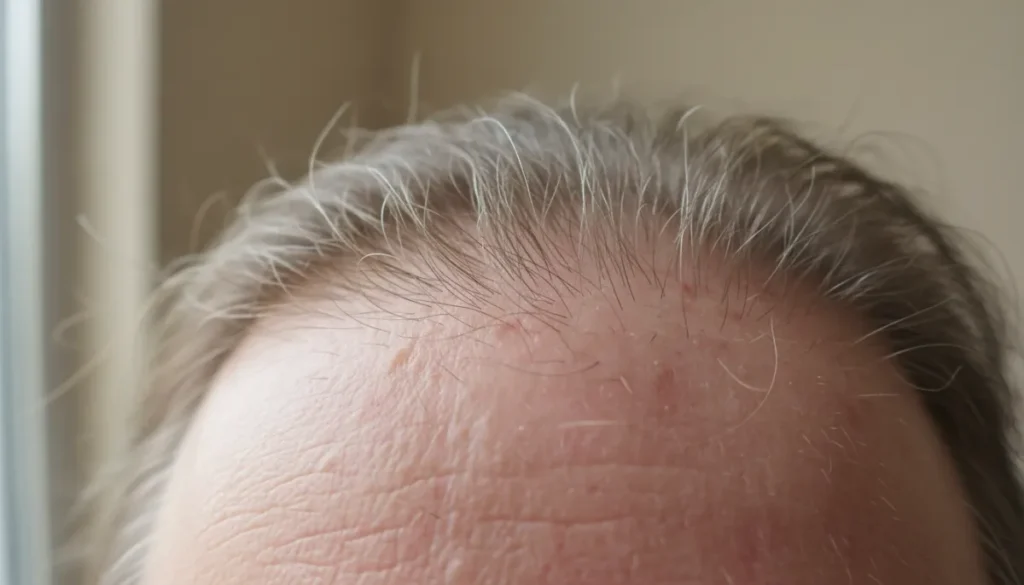
Before selecting any hair thinning treatment, it’s essential to recognize the root causes of hair loss. Genetics, known as androgenetic alopecia, accounts for the majority of cases, but hormonal fluctuations, nutritional deficiencies, and chronic stress also play pivotal roles.
Genetic Factors
Family history is a strong predictor. If your parents or grandparents experienced early hair loss, you may inherit hair follicles that are more sensitive to dihydrotestosterone (DHT). While genetics cannot be changed, early detection allows for timely intervention.
Hormonal Influences
Hormonal changes during pregnancy, menopause, or thyroid disorders can trigger thin hair across the scalp. Monitoring hormone levels through regular medical check‑ups helps identify imbalances that may be addressed with lifestyle modifications or medical treatment.
Nutrient Deficiencies
Lack of iron, zinc, vitamin D, and biotin often manifests as diffuse hair shedding. A simple blood test can reveal deficiencies, guiding dietary adjustments or supplementation.
| Common Cause | Typical Signs | Suggested Action |
|---|---|---|
| Genetics (DHT sensitivity) | Receding hairline, crown thinning | Consider DHT‑blocking shampoos, early professional consultation |
| Hormonal shifts | Sudden shedding, diffuse thinning | Hormone panel, stress‑reduction techniques |
| Nutrient gaps | Brittle strands, excessive shedding | Balanced diet, targeted supplements |
Understanding these triggers equips you with the knowledge needed to select the most appropriate hair loss treatment for your situation.
Lifestyle Adjustments That Support Hair Density
Simple daily habits can dramatically influence the health of your follicles. While they won’t replace medical interventions for severe loss, they form a solid foundation for any natural help for thinning hair plan.
Stress Management
Chronic stress elevates cortisol, which can push hair follicles into the resting phase, leading to increased shedding. Incorporating mindfulness practices—such as meditation, deep‑breathing exercises, or yoga—helps lower cortisol levels.
Sleep Quality
During deep sleep, the body releases growth hormone, a key player in tissue repair, including hair follicles. Aim for 7‑9 hours of uninterrupted sleep, and create a bedtime routine that limits blue‑light exposure.
Scalp Care Routine
- Gentle cleansing with sulfate‑free shampoos to avoid stripping natural oils.
- Weekly scalp massage using fingertips or a soft brush to boost blood flow.
- Avoiding tight hairstyles that cause traction alopecia.
These lifestyle tweaks complement more targeted treatments and improve overall scalp health, making the environment more conducive to hair regrowth.
Nutrient‑Rich Foods and Supplements for Hair Growth
What you eat directly fuels the cells responsible for hair production. Incorporating specific nutrients can enhance the effectiveness of any hair thinning treatment you may already be using.
Key Vitamins and Minerals
- Biotin (Vitamin B7): Supports keratin infrastructure; found in eggs, nuts, and sweet potatoes.
- D Vitamini: Promotes follicle cycling; obtain from fatty fish, fortified dairy, and safe sun exposure.
- Iron: Prevents anemia‑related shedding; rich sources include spinach, lentils, and lean red meat.
- Zinc: Regulates hormone balance; present in pumpkin seeds, oysters, and chickpeas.
Supplement Options
When dietary intake falls short, high‑quality supplements can fill the gap. Look for products that combine biotin, vitamin D3, iron (as ferrous bisglycinate), and zinc picolinate. Always consult a healthcare professional before starting any new regimen.
Sample Daily Meal Plan
| Meal | Food Items | Key Nutrients |
|---|---|---|
| Breakfast | Greek yogurt with berries and a sprinkle of pumpkin seeds | Biotin, Zinc |
| Lunch | Grilled salmon salad with spinach, quinoa, and avocado | Vitamin D, Iron, Omega‑3 |
| Dinner | Stir‑fried tofu, broccoli, and sweet potatoes | Biotin, Iron, Vitamin A |
By consistently delivering these nutrients, you create a biochemical environment that supports stronger, thicker strands and may enhance the results of any hair regrowth protocol.
Effective Topical and Home Remedies for Thinning Hair
While diet and lifestyle lay the groundwork, topical applications can directly stimulate follicles. Below are evidence‑based options that fit within a natural help for thinning hair framework.
Essential Oil Blends
Rosemary, peppermint, and lavender oils have shown promise in improving scalp circulation. Dilute 3–5 drops in a carrier oil (such as jojoba) and massage into the scalp two times per week.
DIY Scalp Masks
- Aloe Vera & Green Tea Mask: Mix equal parts aloe gel and cooled green tea; apply for 20 minutes to soothe inflammation and provide antioxidants.
- Egg Yolk & Olive Oil Treatment: Combine one egg yolk with a tablespoon of extra‑virgin olive oil; leave on for 30 minutes for protein enrichment.
Over‑the‑Counter Natural Products
Look for shampoos and serums containing caffeine, saw palmetto, or ketoconazole. These ingredients can reduce DHT buildup on the scalp and promote a healthier growth environment.
When using any topical remedy, consistency is key. Most studies indicate visible improvement after 12–16 weeks of regular application.
When to Consider Professional Treatment Options
Even with diligent natural care, some individuals experience progressive thinning that requires medical intervention. Recognizing the right moment to seek professional help can prevent further loss and open pathways to lasting restoration.
Indicators for Professional Consultation
- Rapid widening of the part line or recession beyond the temples.
- Persistent shedding exceeding 100 hairs per day despite lifestyle changes.
- Visible scalp visibility in multiple regions.
Medical Options Overview
| Treatment | How It Works | Typical Candidates |
|---|---|---|
| Finasteride (oral) | Blocks conversion of testosterone to DHT | Men with androgenetic alopecia |
| Low‑Level Laser Therapy | Stimulates cellular metabolism in follicles | Both genders with early‑stage thinning |
| Hair Transplant (FUE/DHI) | Transplants healthy follicles to balding areas | Individuals with stable donor hair |
Integrating Natural and Clinical Approaches
Many patients combine natural help for thinning hair with medical therapies for optimal outcomes. For instance, maintaining a nutrient‑rich diet can improve graft survival after a transplant, while stress‑reduction techniques support the efficacy of finasteride.
Consulting a qualified specialist ensures you receive a personalized plan that respects both your health goals and aesthetic preferences.
Why Choose Gold City Hair
Gold City Hair has been a trusted leader in hair restoration since 2017, offering state‑of‑the‑art FUE and DHI techniques performed by experienced surgeons in Turkey. Our personalized approach ensures transparent communication, tailored treatment plans, and a supportive environment that prioritizes your confidence and well‑being. With a proven track record of natural‑looking results, we guide you from the initial consultation through post‑procedure care, making every step clear and comfortable.
Ready to transform your hair journey with proven, natural strategies and expert care? Contact Gold City Hair today to schedule a free consultation and discover the best path to fuller, healthier hair.
SSS
What are the main causes of thinning hair?
Genetics, hormonal changes, nutrient deficiencies, and chronic stress are the primary contributors.
How can diet improve hair density?
Eating foods rich in biotin, vitamin D, iron, and zinc supports follicle health and promotes growth.
What lifestyle habits help prevent further hair loss?
Managing stress, getting quality sleep, and maintaining a gentle scalp care routine are key.
Are essential oil blends effective for scalp health?
Yes, blends like rosemary, peppermint, and lavender can improve circulation and stimulate follicles.
When should I seek professional treatment for thinning hair?
If you notice rapid widening of the part, shedding over 100 hairs daily, or visible scalp despite lifestyle changes, consult a specialist.
How long does it take to see results from natural hair remedies?
Most natural treatments show visible improvement after 12 to 16 weeks of consistent use.





