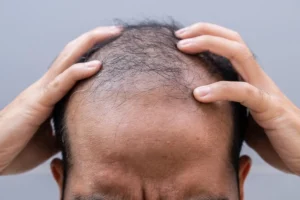
Finding reliable answers on how to avoid hair loss can feel overwhelming, especially with the flood of information online. This guide breaks down the science, everyday habits, and medical options that empower you to keep your hair healthy and dense. Whether you’re noticing a subtle thinning or a receding hairline, understanding the root causes is the first step toward effective prevention.
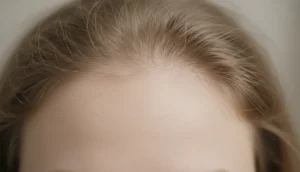
According to recent dermatology studies, up to 40% of men and 30% of women experience noticeable hair thinning by age 35. Early intervention not only preserves existing follicles but also boosts confidence and overall well‑being. In the sections that follow, we’ll explore why hair loss occurs, lifestyle adjustments you can make, proven treatments, and when professional care becomes essential.
By the end of this article, you’ll have a clear action plan tailored to your unique situation, helping you answer the question “how to avoid hair loss” with confidence and clarity.
Saç Dökülmesinin Nedenlerini Anlamak
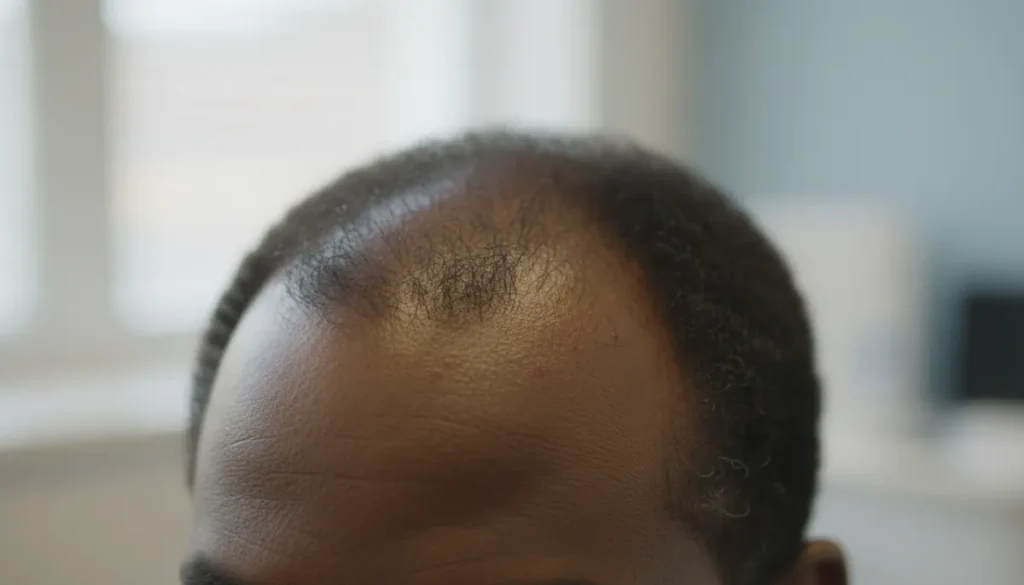
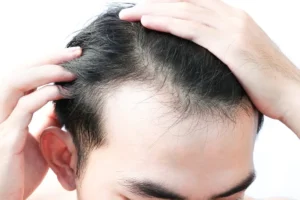
Hair loss is rarely the result of a single factor; it usually stems from a combination of genetics, hormones, lifestyle, and environmental influences. The most common form, androgenetic alopecia—often called male or female pattern baldness—is driven by genetic sensitivity to dihydrotestosterone (DHT). This hormone shortens the growth phase of hair follicles, leading to thinner strands and eventual shedding.
Other significant contributors include:
- Alopecia areata: an autoimmune condition causing patchy hair loss.
- Hormonal changes: pregnancy, menopause, thyroid disorders.
- Nutritional deficiencies: lack of iron, zinc, vitamin D, or protein.
- Stress and trauma: acute or chronic stress can trigger telogen effluvium.
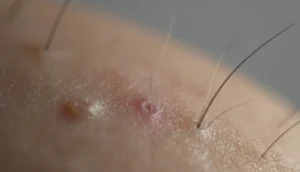
- Physical factors: tight hairstyles leading to traksiyon alopesi, harsh chemical treatments, and excessive heat styling.
Understanding which of these factors applies to you is essential for targeting prevention strategies effectively. For instance, if your primary concern is a receding hairline linked to genetics, DHT‑blocking treatments may be most beneficial. Conversely, if you notice sudden shedding after a stressful event, stress‑management techniques could play a larger role.
Lifestyle Adjustments to Reduce Hair Shedding
Everyday habits have a profound impact on the health of your scalp and follicles. While genetics set the stage, a nutrient‑dense diet, regular exercise, and proper sleep can significantly slow the progression of thinning hair.
Nutrition for Stronger Strands
Hair is primarily made of keratin, a protein that requires adequate amino acids, iron, and vitamins to grow. Incorporate the following foods into your meals:
| Food Group | Key Nutrients | Benefit |
|---|---|---|
| Lean meats & fish | Protein, omega‑3 fatty acids | Supports follicle structure and reduces inflammation |
| Leafy greens | Iron, vitamin A, folate | Improves blood flow to scalp |
| Nuts & seeds | Zinc, selenium | Promotes hair shaft strength |
| Whole grains | B‑vitamins | Enhances cellular metabolism |
Stress Management
Chronic stress elevates cortisol levels, which can disrupt the hair growth cycle. Techniques such as mindfulness meditation, yoga, or regular aerobic exercise help keep cortisol in check and improve overall circulation.
Avoiding Physical Damage
Gentle hair care reduces mechanical stress. Opt for loose hairstyles, avoid tight ponytails, and limit the use of heat tools to less than twice a week. When styling, choose sulfate‑free shampoos and conditioners that preserve natural oils.
By integrating these lifestyle tweaks, you create an internal environment where hair can thrive, making it easier to answer the question “how to avoid hair loss” through daily choices.
Effective Topical and Oral Treatments
When lifestyle changes alone aren’t enough, clinically proven treatments can provide the extra boost needed to preserve existing hair and stimulate new growth.
Topical Options
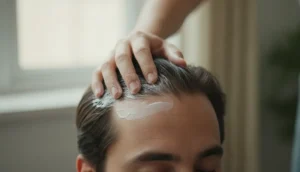
Minoxidil (2% for women, 5% for men) is the only over‑the‑counter medication approved by the FDA for hair loss. It works by widening blood vessels, increasing nutrient delivery to follicles. Consistent twice‑daily application is essential for results, which typically appear after three to six months.
Oral Medications
Finasterid (1 mg daily) reduces DHT production by inhibiting the enzyme 5‑α‑reductase. It’s particularly effective for male pattern baldness, with studies showing up to 90% of users experience slowed hair loss and some regrowth.
Other oral options include low‑dose spironolactone for women with hormonal hair loss, and natural supplements such as biotin, saw palmetto, and marine collagen. While these can support hair health, they work best when combined with a balanced diet and stress reduction.
Comparing Treatment Options
| Treatment | Mechanism | Typical Use | Side Effects |
|---|---|---|---|
| Minoxidil | Vasodilation | Topical, twice daily | Scalp irritation, rare dermatitis |
| Finasterid | DHT inhibition | Oral, daily | Sexual dysfunction (rare), decreased libido |
| Spironolactone | Androgen blockade | Oral, daily (women) | Hormonal changes, fatigue |
| Biotin Supplement | Keratin synthesis support | Oral, daily | Generally safe, high doses may cause acne |
Before starting any medication, consult a dermatologist to ensure it aligns with your health profile and hair loss pattern.
When to Consider Professional Intervention
Even with optimal lifestyle and medical therapies, some individuals reach a point where further progress requires surgical expertise. Recognizing the right moment to seek professional help can preserve existing hair and restore confidence.
Indicators for Surgical Consultation
- Progressive thinning despite consistent use of minoxidil or finasteride.
- Advanced androgenetic alopecia with visible scalp.
- Desire for a permanent, low‑maintenance solution.
- Stable health condition without contraindications for minor surgery.
Hair Transplant Techniques
Gold City Hair specializes in state‑of‑the‑art procedures:
- FUE (Follicular Unit Extraction): Individual follicles are harvested and implanted, leaving minimal scarring.
- DHI (Doğrudan Saç İmplantasyonu): Uses a specialized pen to place follicles directly, offering higher graft survival rates.
- Eyebrow and beard transplants: Tailored for facial hair restoration.
These techniques provide natural‑looking density and allow patients to resume daily activities quickly. A thorough pre‑operative assessment, including scalp analysis and discussion of goals, ensures realistic expectations and optimal outcomes.
Myths and Misconceptions About Hair Loss
Misunderstanding the nature of hair loss can lead to ineffective or harmful practices. Let’s separate fact from fiction.
Myth 1: “Shaving makes hair grow back thicker.”
Hair thickness is determined by follicle size, not by cutting the shaft. Shaving only creates a blunt tip, which may feel coarser but does not alter growth rate.
Myth 2: “Only men lose hair.”
Women experience hair thinning and patterns of loss, often linked to hormonal shifts, stress, or genetic predisposition. Treatments such as low‑dose finasteride or topical minoxidil can be effective for women under medical supervision.
Myth 3: “Supplements alone can cure baldness.”
While vitamins like biotin and minerals support overall hair health, they cannot reverse genetic hair loss without accompanying medical or surgical interventions.
Myth 4: “All hair loss is permanent.”
Many forms, such as telogen effluvium from stress or medication, are temporary. Addressing the underlying trigger often restores normal growth cycles.
Dispelling these myths empowers you to make informed decisions and focus on strategies that truly work when asking “how to avoid hair loss.”
Why Choose Gold City Hair
Gold City Hair combines cutting‑edge technology with personalized care to deliver lasting results. Since 2017, our clinic in Turkey has performed thousands of successful hair transplant procedures, including FUE and DHI, tailored to each patient’s unique pattern of loss. Our experienced medical team prioritizes transparent communication, ensuring you understand every step of the process—from initial assessment to post‑procedure follow‑up. Trust a proven partner committed to restoring not just hair, but confidence.
Ready to take control of your hair health? Contact Gold City Hair today for a personalized consultation and discover the most effective plan to prevent further loss and restore your natural look.
SSS
What are the main causes of hair loss?
Hair loss can result from genetics, hormones, nutritional deficiencies, stress, and physical damage to the scalp.
How can diet help prevent hair loss?
A nutrient‑dense diet supplies the building blocks hair needs to grow strong and stay healthy.
What are the most effective topical treatments for hair loss?
Minoxidil is the only FDA‑approved over‑the‑counter topical that reliably promotes hair growth.
When should I consider a hair transplant?
Consider a transplant if thinning continues despite medication and you desire a permanent, low‑maintenance solution.
Are there common myths about hair loss that are false?
Yes, myths such as shaving makes hair grow back thicker, that only men lose hair, and that supplements alone can cure baldness are inaccurate.
How does stress affect hair loss and how can I manage it?
Stress raises cortisol, disrupting the hair growth cycle and potentially causing telogen effluvium; management includes mindfulness, exercise, and adequate sleep.