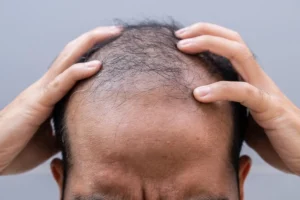
Many people search for ways to avoid hair fall because thinning strands can affect confidence and overall appearance. Understanding why hair shedding occurs and what you can do about it is essential for maintaining a full, healthy head of hair. Recent studies show that up to 40% of men and 30% of women experience noticeable hair loss by the age of 35, making early prevention a priority.
This article explores the most common causes of hair loss, practical lifestyle changes, effective treatments, and professional options that can help you keep your hair strong. Whether you are dealing with androgenic alopecia, stress‑related shedding, or seasonal thinning, the strategies outlined here are designed to empower you with knowledge and actionable steps.
By the end of this guide, you will have a clear roadmap to protect your hair, reduce daily shedding, and support long‑term scalp health.
Understanding the Root Causes of Hair Fall
Identifying the underlying factors that trigger hair shedding is the first step toward effective prevention. Hair loss can be categorized into genetic, hormonal, environmental, and lifestyle‑related causes.
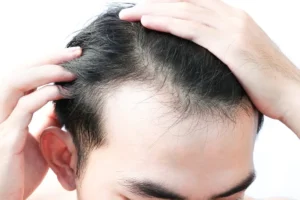
- Genetic predisposition: Androgenetic alopecia, often called male or female pattern baldness, is driven by hereditary sensitivity to dihydrotestosterone (DHT).
- Hormonal fluctuations: Thyroid disorders, pregnancy, and menopause can disrupt the hair growth cycle.
- Stress and trauma: Physical or emotional stress can push hair follicles into the telogen (resting) phase, leading to sudden shedding.
- Nutritional deficiencies: Lack of iron, zinc, biotin, or protein hampers keratin production.
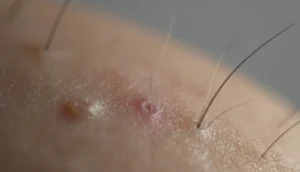
- Scalp conditions: Psoriasis, seborrheic dermatitis, and fungal infections weaken follicles.
Below is a quick comparison of common causes and their typical signs:
| Cause | Typical Signs | Recommended Action |
|---|---|---|
| Androgenic alopecia | Gradual thinning at temples and crown | Medical therapy (finasteride, minoxidil) or transplant evaluation |
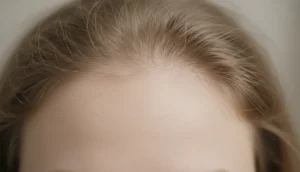
| Stress‑induced shedding | Diffuse hair loss after a stressful event | Stress management, balanced diet, gentle hair care |
| Nutrient deficiency | Brittle strands, slow growth | Supplementation, diet rich in iron and protein |

Lifestyle and Dietary Adjustments to Prevent Hair Loss
Everyday habits play a significant role in your ability to avoid hair fall. Simple changes in diet, exercise, and grooming can strengthen hair follicles and improve scalp circulation.
Nutrition for Strong Hair
- Protein: Hair is made of keratin, a protein; include lean meats, legumes, and dairy.
- Omega‑3 fatty acids: Found in salmon, walnuts, and flaxseed, they reduce inflammation.
- Vitamins A, C, D, and E: Support sebum production and antioxidant protection.
- Minerals: Iron, zinc, and selenium are crucial for cell division and growth.
Healthy Habits
- Stay hydrated: Adequate water intake keeps the scalp moist.
- Regular exercise: Improves blood flow to the scalp, delivering nutrients.
- Avoid tight hairstyles: Reduces traction alopecia caused by constant pulling.
- Limit heat and chemical treatments: Excessive styling can cause breakage and thinning.
Below is a weekly meal plan focused on hair‑friendly nutrients:
| Day | Breakfast | Lunch | Dinner |
|---|---|---|---|
| Monday | Greek yogurt with berries and chia seeds | Grilled chicken salad with spinach, avocado, and walnuts | Salmon, quinoa, steamed broccoli |
| Tuesday | Oatmeal with almond butter and banana | Lentil soup with kale | Turkey meatballs, sweet potato, green beans |
Effective Topical and Oral Treatments
When lifestyle changes are not enough, medical options can help you avoid hair fall more directly. Both topical solutions and oral supplements target the hair growth cycle at different stages.
Topical Options
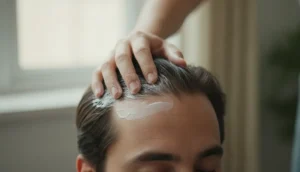
- Minoxidil (2% or 5%): Increases blood flow and prolongs the anagen phase.
- Caffeine shampoos: Stimulate follicles and reduce DHT binding.
- Ketoconazole shampoo: Controls fungal scalp conditions that exacerbate shedding.
Oral Supplements
- Biotin (Vitamin B7): Supports keratin synthesis.
- Finasteride (for men): Blocks conversion of testosterone to DHT.
- Iron and zinc tablets: Correct deficiencies that hinder growth.
Below is a quick reference chart comparing common products:
| Product | Type | Key Benefit | Typical Use |
|---|---|---|---|
| Minoxidil | Topical | Stimulates follicle activity | Twice daily application |
| Finasterid | Oral | Reduces DHT levels | One tablet daily (men only) |
| Biotin 5000µg | Supplement | Strengthens keratin | One capsule daily |
Professional Procedures and When to Consider a Transplant
For individuals with advanced thinning or pattern baldness, clinical interventions may be the most reliable way to avoid further hair fall and restore density.
Non‑Surgical Options
- Platelet‑Rich Plasma (PRP): Injections of your own growth factors stimulate dormant follicles.
- Low‑Level Laser Therapy (LLLT): Reduces inflammation and promotes circulation.
- Microneedling: Enhances absorption of topical agents.
Surgical Solutions
- FUE (Follicular Unit Extraction): Individual grafts are harvested and implanted.
- DHI (Direct Hair Implantation): Uses a patented pen for precise placement.
- Eyebrow/Beard Transplants: Specialized techniques for facial hair restoration.
Choosing the right approach depends on the extent of loss, donor hair availability, and personal goals. A thorough consultation with a qualified clinic will determine whether a transplant is advisable.
Everyday Habits and Myths Debunked
Many common beliefs about hair care are misleading and can actually increase shedding. Understanding the truth helps you make smarter decisions to avoid hair fall.
Myth 1: Frequent Washing Causes Hair Loss
Washing removes excess oil and pollutants, which can clog follicles. Using a mild, sulfate‑free shampoo is safe when done 2‑3 times a week.
Myth 2: Cutting Hair Makes It Grow Faster
Trimming eliminates split ends but does not affect the growth rate, which is determined by the scalp’s biology.
Myth 3: Wearing Hats Leads to Baldness
Unless the hat is excessively tight, it does not restrict blood flow. However, poor hygiene under a hat can foster fungal growth.
Adopting realistic habits—gentle brushing, avoiding harsh chemicals, and protecting the scalp from UV exposure—creates an environment where hair can thrive.
- Use a wide‑tooth comb on wet hair.
- Apply a leave‑in conditioner with UV filters.
- Limit the use of hair dryers and straighteners to a few times per week.
Why Choose Gold City Hair
Gold City Hair has been delivering personalized hair restoration solutions in Turkey since 2017. Our team combines the latest FUE and DHI techniques with transparent communication, ensuring each patient receives a treatment plan tailored to their unique needs. With a focus on safety, natural‑looking results, and long‑term confidence, we guide you from the initial consultation through post‑procedure care.
Ready to take control of your hair health? Contact Gold City Hair today for a free, no‑obligation consultation and discover the best plan to keep your hair strong and vibrant.
SSS
What are the most common causes of hair fall?
Hair fall can be caused by genetics, hormonal changes, stress, nutritional deficiencies, and scalp conditions.
How can diet help prevent hair loss?
A balanced diet rich in protein, omega‑3s, vitamins, and minerals supports keratin production and scalp circulation.
Which topical treatments are effective for reducing hair fall?
Minoxidil, caffeine shampoos, and ketoconazole shampoo are among the most proven topical options.
When should I consider a hair transplant?
Consider a transplant when hair loss is advanced, donor hair is sufficient, and non‑surgical options have not provided desired results.
Are there any myths about hair care that could worsen hair loss?
Yes, common myths include the belief that frequent washing causes hair loss, cutting hair makes it grow faster, and wearing hats leads to baldness.
How does stress contribute to hair shedding and how can it be managed?
Stress pushes hair follicles into the telogen (resting) phase, causing diffuse shedding; management includes relaxation techniques, exercise, and proper sleep.