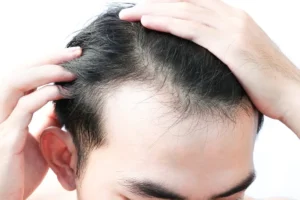
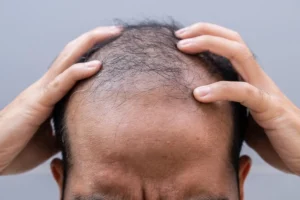
When you ask yourself what type of doctor do you see for hair loss, the answer can feel overwhelming because many professionals claim expertise in this area. Understanding the roles of different specialists helps you choose the right provider, get an accurate diagnosis, and start an effective treatment plan. In fact, up to 40% of men and 30% of women experience noticeable thinning by age 35, making early professional help essential.
This article walks you through the most common causes of hair loss, the medical specialists who treat it, what to expect during a consultation, and the range of treatment options they may recommend. Whether you are dealing with male pattern baldness, female thinning, or an autoimmune condition, knowing who to see first can save time, reduce anxiety, and improve outcomes.
By the end, you’ll have a clear roadmap for navigating the healthcare system and a better sense of how Gold City Hair fits into your journey toward fuller, healthier hair.
Understanding Hair Loss and When to Seek Professional Help
Hair loss is not a single condition but a collection of patterns and underlying causes. Recognizing when the issue moves beyond normal shedding is the first step toward effective treatment.
Saç Dökülmesinin Yaygın Nedenleri
- Genetic factors (androgenetic alopecia)
- Hormonal changes (pregnancy, menopause, thyroid disorders)
- Autoimmune diseases (alopecia areata)
- Stress and nutritional deficiencies
- Medications such as chemotherapy or certain antidepressants
Most people start noticing hair thinning in the crown or frontal scalp. If you observe a sudden increase in shedding, bald patches, or a persistent reduction in density, it’s time to schedule an appointment.
| Type of Hair Loss | Typical Pattern | Common Triggers |
|---|---|---|
| Male Pattern Baldness | Receding hairline, vertex thinning | Genetics, DHT sensitivity |
| Female Pattern Thinning | Diffuse thinning over crown | Hormonal shifts, iron deficiency |
| Alopesi Areata | Round bald patches | Autoimmune response |
Understanding these patterns helps you communicate clearly with the specialist you eventually choose. Early intervention often leads to better hair regrowth results, especially when combined with appropriate hair loss treatment strategies.
Which Medical Specialists Treat Hair Loss?
Choosing the right professional hinges on the underlying cause of your hair loss. While many people think of a dermatologist first, other specialists may play a crucial role.
Dermatologists
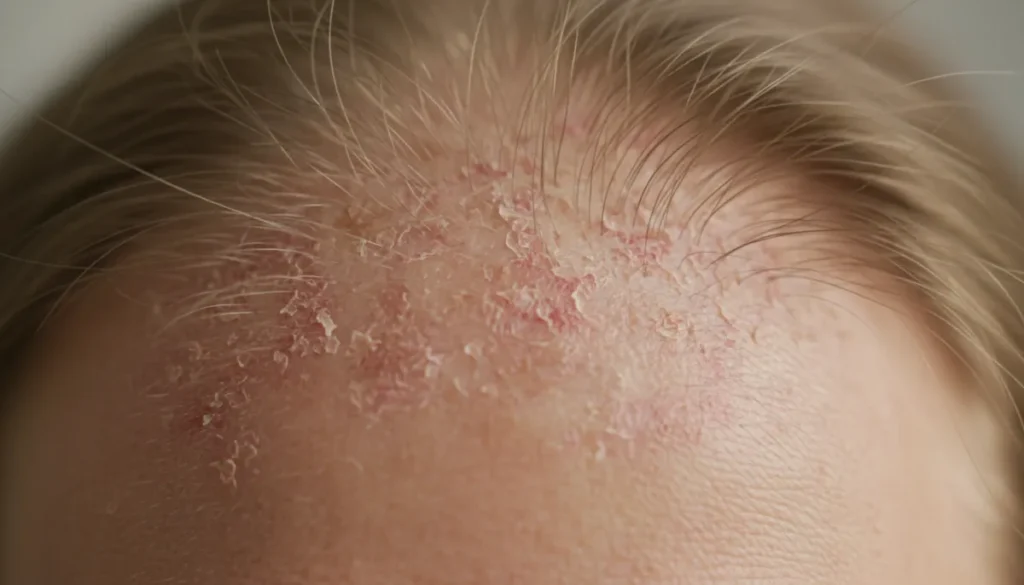
Dermatologists are physicians specialized in skin, hair, and nails. They diagnose conditions such as alopecia, scalp psoriasis, and hormonal hair loss. A board‑certified dermatologist can prescribe topical treatments like minoxidil, oral medications such as finasteride, and recommend procedural options.
Trichologists
Trichology is a sub‑field focused exclusively on hair and scalp health. Although trichologists are not medical doctors, they often work alongside dermatologists to provide detailed scalp analyses, recommend hair growth products, and guide lifestyle changes.
Endocrinologists
If your hair loss is linked to hormonal imbalances (e.g., thyroid disease, PCOS), an endocrinologist may be the appropriate specialist. They assess hormone levels and can coordinate treatment with a dermatologist for a comprehensive plan.
- Dermatologist – Medical doctor, prescription authority.
- Trichologist – Specialist in hair health, non‑prescriptive.
- Endocrinologist – Hormone expert, works on systemic causes.
- Primary Care Physician – Initial screening, referral source.
When you wonder what type of doctor do you see for hair loss, the safest route is to start with a dermatologist, who can then refer you to other experts if needed.
What to Expect During a Hair Loss Consultation
A thorough consultation sets the foundation for any successful hair loss treatment. Knowing what the doctor will ask and test helps you prepare and feel confident.
Initial Assessment
The physician will begin with a detailed medical history, covering family patterns, medication use, diet, stress levels, and any recent illnesses. A visual scalp examination follows, often aided by a dermatoscope to magnify hair follicles.
Diagnostic Tests
Depending on the suspected cause, the doctor may order one or more of the following:
- Blood tests – thyroid panel, iron levels, hormone profile.
- Scalp biopsy – for ambiguous cases or suspected scarring alopecia.
- Pull test – gently pulling a small cluster of hairs to assess shedding rate.
- Trichoscopy – high‑resolution imaging of the scalp to identify miniaturized hairs.
These diagnostics guide the selection of appropriate hair growth treatments, whether they involve prescription medication, topical solutions, or procedural interventions.
Treatment Options Recommended by Different Doctors
After diagnosis, the specialist will outline a personalized plan. Treatment pathways vary widely based on cause, severity, and patient preference.
Medical Treatments
Common prescription options include:
- Finasterid – oral medication that blocks DHT conversion, proven for male pattern baldness.
- Minoxidil – topical solution available over‑the‑counter, stimulates follicular activity.
- Spironolactone – anti‑androgen used primarily for women with hormonal hair loss.
- Platelet‑rich plasma (PRP) – autologous injections that may promote hair regrowth.
These therapies are often complemented by best hair growth products such as shampoos containing biotin, caffeine, or ketoconazole.
Surgical Options
When medical therapy cannot achieve desired density, doctors may refer patients to a hair restoration clinic. The most common procedures are:
- FUE (Follicular Unit Extraction) – individual follicles are harvested and transplanted.
- DHI (Direct Hair Implantation) – similar to FUE but uses a specialized implanter.
- Scalp Micropigmentation – cosmetic tattooing that mimics the appearance of hair.
| Approach | Invasiveness | Typical Results | Recovery Time |
|---|---|---|---|
| Finasteride / Minoxidil | Non‑surgical | Stabilization, modest regrowth | None |
| PRP Injections | Minimal invaziv | Improved thickness in early stages | 1‑2 days |
| FUE / DHI Transplant | Surgical | Significant density, natural look | 7‑10 days |
Choosing between medical and surgical routes often depends on the answer to the original question: what type of doctor do you see for hair loss. Dermatologists can prescribe medication, while a hair transplant surgeon (often a dermatologist with specialized training) performs the surgical procedures.
Choosing the Right Doctor for Your Needs
Even after understanding the specialties, selecting the practitioner who aligns with your goals requires careful consideration.
Key Factors to Evaluate
- Credentials – board certification, years of experience, and specific training in hair restoration.
- Track Record – before‑and‑after photos, patient testimonials, and success rates.
- Approach – willingness to combine medical and surgical options, use of evidence‑based hair growth supplements, and personalized care plans.
- Communication – clear explanations, transparent pricing, and responsive follow‑up.
- Location & Accessibility – proximity to your home or ability to travel for procedures.
For many, the decision begins with the question: what type of doctor do you see for hair loss? Start with a dermatologist who can rule out medical causes, then discuss surgical possibilities with a certified hair restoration surgeon if needed.
Remember that lifestyle factors such as nutrition, stress management, and proper scalp care also influence outcomes. Incorporating best vitamins for hair growth like biotin, vitamin D, and zinc can enhance the effectiveness of any treatment plan.
Why Choose Gold City Hair
Gold City Hair combines decades of clinical expertise with cutting‑edge FUE and DHI techniques, delivering natural‑looking results in a welcoming Turkish clinic. Since 2017, we have helped thousands of clients regain confidence through personalized treatment plans, transparent communication, and a commitment to safety. Our team of board‑certified dermatologists and skilled surgeons works closely with you from the initial consultation to post‑procedure care, ensuring every step aligns with your goals.
Ready to take the next step toward a fuller head of hair? Contact Gold City Hair today to schedule your personalized consultation and discover the most effective solution for your unique situation.
Restore confidence, embrace a new look, and experience world‑class care—all in one place.
SSS
What type of doctor should I see for hair loss?
Start with a board‑certified dermatologist, who can diagnose the cause and refer you to other specialists if needed.
How does a dermatologist diagnose hair loss?
Through medical history, visual scalp exam, dermatoscopy, and sometimes lab tests or a scalp biopsy.
What tests are performed during a hair loss consultation?
Blood panels, scalp biopsy, pull test, and trichoscopy are common diagnostic tools.
What are the medical treatment options for hair loss?
Finasteride, minoxidil, spironolactone, PRP injections, and specialized hair‑growth shampoos are typical options.
When is surgical hair restoration recommended?
When medical therapies cannot achieve desired density or the patient prefers a permanent solution.
Can a trichologist help with hair loss?
Yes, a trichologist provides detailed scalp analysis and product recommendations, often working alongside dermatologists.
What factors should I consider when choosing a hair loss specialist?
Look at credentials, experience, patient results, treatment approach, communication, and location.