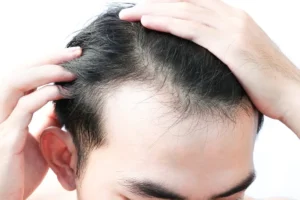
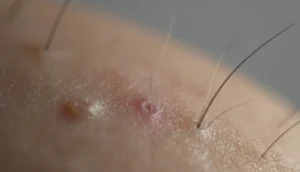
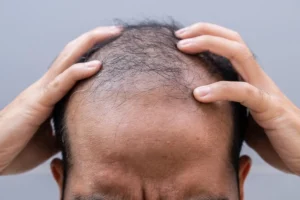
Does low B12 cause hair loss? This common question reflects growing awareness that nutrition plays a vital role in scalp health. In this article we examine the scientific link between vitamin B12 deficiency and hair thinning, outline the symptoms you should watch for, and discuss practical steps to restore optimal levels. According to several studies, up to 30% of individuals with unexplained hair loss show signs of low cobalamin, the technical name for vitamin B12.
We will walk you through the biology of B12, how a shortage can disrupt the hair growth cycle, and what diagnostic tools are available. Whether you are considering dietary changes, supplements, or a professional hair restoration procedure, understanding the root cause is essential for lasting results.
By the end of this guide, you will know how to assess your B12 status, what foods and supplements can help, and why partnering with a trusted clinic like Gold City Hair can provide a comprehensive solution to regain confidence.
What Is Vitamin B12 and Why Is It Important?
Vitamin B12, also known as cobalamin, is a water‑soluble vitamin essential for DNA synthesis, red blood cell formation, and neurological function. It acts as a co‑factor in the conversion of homocysteine to methionine, a process crucial for cell replication and repair. Because hair follicles are among the fastest‑growing cells in the body, they rely heavily on adequate B12 to maintain a healthy growth phase (anagen).
- Supports the production of red blood cells that deliver oxygen to hair follicles.
- Facilitates the synthesis of myelin, protecting nerves that signal hair growth.
- Helps regulate the metabolism of fatty acids and amino acids needed for keratin formation.
When B12 levels drop, the body prioritizes vital organs over hair, leading to a shortened growth cycle and increased shedding. This is why many patients notice thinning patches before other systemic symptoms appear.

How Vitamin B12 Deficiency Can Lead to Hair Thinning
Hair follicles depend on a steady supply of nutrients and oxygen. Low B12 disrupts this supply in several ways:
| Mechanism | Effect on Hair |
|---|---|
| Reduced red blood cell production | Less oxygen reaches the scalp, causing follicle stress. |
| Impaired DNA synthesis | Slows the proliferation of matrix cells that generate new hair shafts. |
| Neurological dysfunction | Alters signaling pathways that regulate the hair growth cycle. |
These mechanisms often manifest as diffuse thinning rather than distinct bald spots, which can be mistaken for androgenetic alopecia. Clinical observations suggest that restoring B12 levels can reverse early‑stage thinning in many cases, especially when the deficiency is identified promptly.
It is also important to note that B12 works synergistically with other nutrients such as iron, zinc, and vitamin D. A combined deficiency can amplify hair loss, making comprehensive testing essential.
Recognizing the Signs of B12 Deficiency
Beyond hair loss, vitamin B12 deficiency presents a range of systemic symptoms. Early detection can prevent permanent damage to both hair and overall health.
- Fatigue and weakness due to anemia.
- Glossy, pale skin and occasional bruising.
- Numbness or tingling in hands and feet (peripheral neuropathy).
- Difficulty concentrating, memory lapses, or mood swings.
- Dry, brittle hair that sheds more than usual.
When you notice a combination of these signs, especially the hair‑related ones, it is wise to request a serum B12 test. Normal levels typically range from 200 to 900 pg/mL; values below 200 pg/mL are generally considered deficient.
Women who are pregnant or breastfeeding, older adults, vegetarians, and individuals with gastrointestinal disorders (such as Crohn’s disease or celiac disease) are at higher risk of low B12. Lifestyle factors like excessive alcohol consumption and certain medications (e.g., proton‑pump inhibitors) can also impair absorption.
Testing, Diagnosis, and Treatment Options for Low B12
Accurate diagnosis begins with a blood test measuring serum cobalamin. If results are borderline, doctors may also assess methylmalonic acid (MMA) and homocysteine levels, which rise when B12 is insufficient.
Once a deficiency is confirmed, treatment pathways include:
- Oral supplementation – High‑dose cyanocobalamin or methylcobalamin tablets taken daily.
- Intramuscular injections – Preferred for individuals with absorption issues; typically administered weekly for the first month, then monthly.
- Dietary adjustments – Incorporating B12‑rich foods such as clams, liver, fortified cereals, and dairy products.
- Addressing underlying conditions – Treating gastrointestinal disorders or adjusting medications that hinder absorption.
Most patients notice an improvement in energy and skin tone within weeks, while hair regrowth may take three to six months, reflecting the natural hair cycle. Consistency is key; stopping supplementation prematurely can cause a relapse.
For those seeking a comprehensive approach, combining B12 therapy with professional hair restoration—such as the FUE or DHI techniques offered by Gold City Hair—can deliver faster, more robust results.
Integrating Nutrition and Hair Restoration Treatments
While correcting a B12 deficiency addresses one root cause of hair loss, many patients benefit from a dual strategy that pairs nutritional optimization with advanced transplant procedures. A well‑balanced diet ensures that newly transplanted follicles receive the nutrients they need to survive and thrive.
Key nutritional guidelines for post‑transplant care include:
- Maintain adequate protein intake (1.2–1.5 g per kg body weight) to support keratin synthesis.
- Consume foods rich in iron and zinc, which work alongside B12 to promote follicle health.
- Stay hydrated; proper blood volume aids nutrient transport to the scalp.
- Avoid smoking and excessive alcohol, both of which can impair microcirculation.
Gold City Hair’s personalized follow‑up program monitors both the surgical outcome and the patient’s nutritional status, offering supplement recommendations and dietary counseling when needed. This holistic approach maximizes graft survival and accelerates the return of natural‑looking hair.
Why Choose Gold City Hair
Gold City Hair has been delivering safe, effective hair restoration solutions in Turkey since 2017. Our clinic combines cutting‑edge FUE and DHI techniques with a patient‑first philosophy, ensuring transparent communication at every step. By integrating medical expertise on vitamin deficiencies—such as low B12—with world‑class transplant procedures, we provide a comprehensive pathway to renewed confidence.
Our experienced team conducts thorough assessments, including blood work for B12 and other essential nutrients, before designing a customized treatment plan. Whether you need a simple supplement regimen or a full‑scale hair transplant, Gold City Hair tailors each solution to your unique needs.
Ready to stop hair loss at its source? Contact Gold City Hair today to schedule a personalized consultation, assess your B12 levels, and explore the best restoration options for you.
Take the first step toward healthier hair and greater confidence—your journey begins now.
SSS
Does low B12 cause hair loss?
Yes, a deficiency in vitamin B12 can lead to hair thinning and shedding because it impairs red blood cell production and DNA synthesis needed for healthy hair follicles.
How can I know if my hair loss is due to B12 deficiency?
Look for accompanying symptoms such as fatigue, pale skin, tingling in extremities, and brittle hair, and confirm with a serum B12 blood test.
What foods are rich in vitamin B12 for hair health?
Animal‑derived foods such as clams, liver, fish, eggs, dairy, and fortified cereals provide the most bioavailable B12.
How long does it take for hair to grow back after B12 supplementation?
Hair regrowth typically becomes noticeable after three to six months of consistent B12 therapy.
What are the best ways to test for B12 deficiency?
A serum cobalamin test is standard; borderline cases may also require methylmalonic acid (MMA) and homocysteine testing.
Can combining B12 therapy with hair transplant improve results?
Yes, optimizing B12 levels supports graft survival and accelerates post‑transplant hair growth.