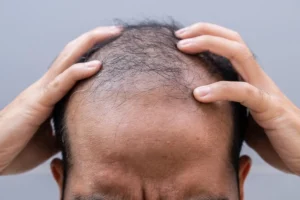
Finding effective ways how to get rid of bald spots is a common concern for many people experiencing hair loss. Whether the thinning appears as a small patch or a larger area, understanding the underlying causes and available solutions can restore confidence and improve appearance. In this article we explore the science behind bald spots, review non‑surgical and surgical options, and provide practical lifestyle advice that supports healthy hair growth.
According to recent dermatology studies, up to 40 % of men and 20 % of women notice noticeable bald spots by the age of 35. This statistic highlights how prevalent the issue is and why a clear, step‑by‑step guide is essential. We will walk you through the most reliable treatments, from topical products to advanced hair transplant techniques, helping you decide which approach matches your goals and budget.
By the end of this guide you will understand:
- The main causes of bald spots and how they differ.
- Which non‑surgical treatments have scientific backing.
- How lifestyle factors influence hair regeneration.
- When a hair transplant becomes the most effective solution.
Understanding Bald Spots: Causes and Types
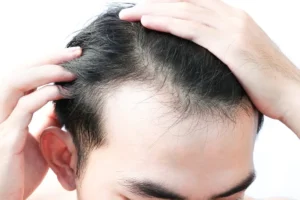
Before you can successfully get rid of bald spots, it’s crucial to identify why they appear. Bald spots, medically referred to as alopecia, can result from genetics, hormonal changes, medical conditions, or external factors.
Common Causes
Several factors trigger the loss of hair in localized areas:
- Alopecia areata – an autoimmune condition causing sudden, round patches.
- Genetic pattern baldness (androgenetic alopecia) – the most common cause in both men and women.
- Hormonal fluctuations – especially during pregnancy, menopause, or thyroid disorders.
- Stress and nutritional deficiencies – can accelerate shedding.
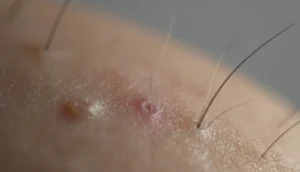
- Scalp infections or injuries – may damage follicles permanently.
Types of Bald Spots
Understanding the pattern helps tailor the treatment plan. Below is a comparison of the most frequently observed types:
| Type | Typical Appearance | Underlying Mechanism |
|---|---|---|
| Circular (Alopecia Areata) | Round, smooth patches | Autoimmune attack on hair follicles |
| Pattern Baldness | Receding hairline or crown thinning | Genetic sensitivity to DHT |
| Traction Alopecia | Hair loss along hairline | Constant pulling from tight hairstyles |
| Scarring Alopecia | Irregular, scarred patches | Inflammation that destroys follicles |
Identifying the exact type guides you toward the most effective hair loss treatment, whether it’s medication, lifestyle adjustment, or surgical intervention.
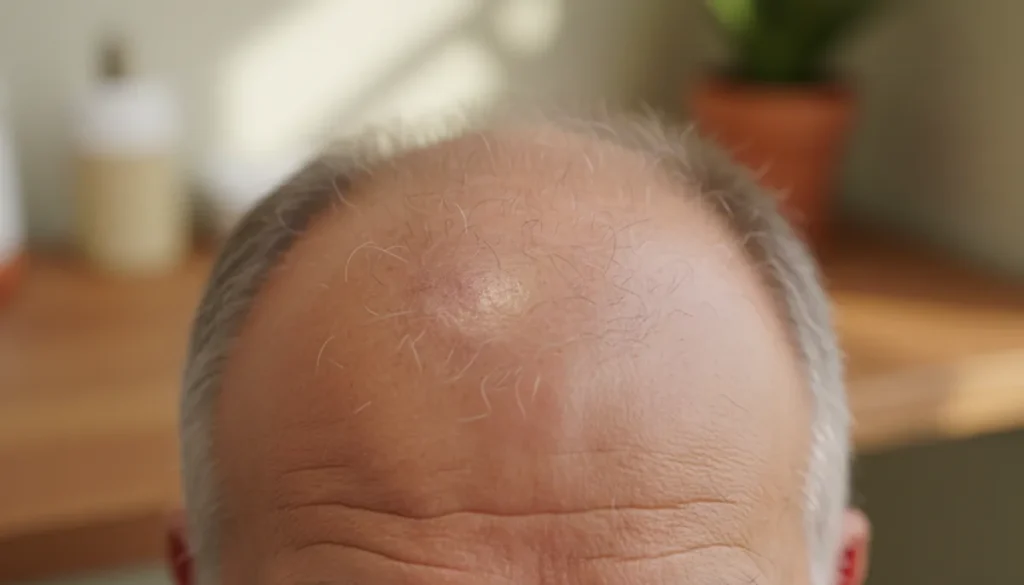
Non‑Surgical Approaches to Reduce Bald Spots
Many individuals prefer to start with non‑invasive methods before considering surgery. These treatments aim to stimulate existing follicles, slow further loss, and sometimes regrow hair in small patches.
Topical Treatments
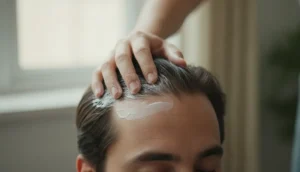
Topical solutions are applied directly to the affected area and are often the first line of defense.
- Minoxidil – the only FDA‑approved over‑the‑counter solution for both men and women; encourages blood flow to follicles.
- Hair growth products containing caffeine, biotin, or peptides – can improve scalp health.
- Prescription topical finasteride – used off‑label for localized bald spots, especially in men.
Oral Medications and Supplements
Systemic treatments work from within the body to address hormonal or nutritional contributors.
- Finasterid – a 5‑alpha‑reductase inhibitor that reduces DHT levels, slowing androgenetic alopecia.
- Low‑dose oral minoxidil – increasingly popular for its convenience.
- Vitamins and minerals such as zinc, iron, and vitamin D – essential for healthy hair growth.
- Hair growth supplements containing saw‑tooth oak, pumpkin seed oil, and marine collagen – marketed for their supportive nutrients.
Clinical trials show that consistent use of minoxidil and finasteride can lead to visible improvement in up to 60 % of users after 12 months. However, results vary based on the cause of the bald spot and individual response.
Lifestyle Changes and Natural Remedies
While medication plays a pivotal role, everyday habits significantly affect hair health. Simple adjustments can complement medical treatments and sometimes reduce the need for stronger interventions.
Nutrition and Vitamins
Hair is primarily made of keratin, a protein that requires adequate amino acids, iron, and vitamins to grow.
- Protein‑rich foods: lean meat, fish, legumes, and nuts.
- Omega‑3 fatty acids: salmon, flaxseed, and walnuts for scalp circulation.
- Biotin (Vitamin B7) and Vitamin E – support follicle metabolism.
- Hydration – adequate water intake keeps the scalp moisturized.
Scalp Care and Massage
Gentle stimulation can increase blood flow and encourage follicle activity.
- Regular scalp massage (2‑3 minutes daily) using fingertips or a silicone brush.
- Low‑level laser therapy (LLLT) devices – clinically proven to boost cellular activity.
- Avoiding harsh chemicals, excessive heat, and tight hairstyles that cause traction alopecia.
Studies indicate that a combination of proper nutrition and consistent scalp massage can improve hair density by up to 15 % over six months, especially when paired with topical minoxidil.
When to Consider Hair Transplant Options
If non‑surgical methods fail to deliver satisfactory results, a hair transplant may become the most reliable solution for permanently eliminating bald spots. Modern techniques provide natural‑looking outcomes with minimal downtime.
FUE vs. DHI: What’s the Difference?
Two of the most popular methods are Follicular Unit Extraction (FUE) and Direct Hair Implantation (DHI). Both involve harvesting healthy follicles from a donor area and implanting them into the bald spot, but the processes differ.
| Feature | FUE | DHI |
|---|---|---|
| Extraction Tool | Punch device (0.7‑1.0 mm) | Choi pen with built‑in implanter |
| Implantation Speed | Separate incision and placement | Direct placement reduces handling |
| Graft Survival Rate | 85‑90 % | 90‑95 % |
| Recovery Time | 7‑10 days | 5‑7 days |
Both techniques are effective for covering small to medium bald spots, but DHI often yields higher graft survival and a more precise angle of placement, which can be advantageous for visible areas such as the hairline.
Ideal Candidates
Patients who typically benefit from a transplant include:
- Those with stable hair loss for at least 12 months.
- Individuals with sufficient donor hair density (usually at the back of the scalp).
- People seeking a permanent, low‑maintenance solution.
Before proceeding, a thorough consultation with a qualified surgeon will assess scalp elasticity, donor area quality, and realistic expectations.
Preparing for a Successful Hair Restoration Journey
Achieving lasting results requires more than the procedure itself; preparation and after‑care are equally important.
Pre‑Procedure Consultation
A comprehensive evaluation typically includes:
- Medical history review (including medications and hormonal conditions).
- Scalp analysis and photography to document baseline.
- Discussion of goals, budget, and timeline.
- Explanation of the chosen technique (FUE, DHI, or others) and expected outcomes.
Post‑Procedure Care
Following the transplant, patients should adhere to a structured after‑care plan:
- Gentle washing with prescribed shampoo after 48 hours.
- Avoiding direct sunlight, heavy exercise, and tight headwear for two weeks.
- Using prescribed topical agents (e.g., minoxidil) to support graft survival.
- Scheduled follow‑up visits to monitor healing and growth progress.
Most patients notice initial shedding of transplanted hairs within the first two weeks—a normal part of the “shock loss” phase—followed by new growth beginning around three months post‑procedure. Full maturation typically occurs between 12 and 18 months.
Why Choose Gold City Hair
Gold City Hair has been delivering personalized hair restoration solutions in Turkey since 2017. Our clinic combines the latest FUE and DHI technologies with a patient‑centered approach, ensuring transparent communication at every step. Our experienced medical team tailors each treatment plan to the individual’s unique pattern of bald spots, delivering natural‑looking results and lasting confidence.
Ready to say goodbye to bald spots? Contact Gold City Hair today for a free, no‑obligation consultation and discover the most effective path to a fuller, healthier scalp.
SSS
What are the most common causes of bald spots?
Bald spots can result from alopecia areata, genetic pattern baldness, hormonal changes, stress, nutritional deficiencies, and scalp injuries or infections.
How effective are topical treatments like minoxidil for bald spots?
Minoxidil is FDA‑approved and can improve hair density in up to 60% of users after a year of consistent use.
When should someone consider a hair transplant instead of non‑surgical options?
A transplant is advisable when non‑surgical methods fail after 12 months and the patient has stable hair loss with sufficient donor hair.
What lifestyle changes can support hair regrowth?
Balanced nutrition, regular scalp massage, adequate hydration, and avoiding harsh chemicals or tight hairstyles can boost hair health.
What are the differences between FUE and DHI hair transplant methods?
FUE uses a punch tool to extract grafts, while DHI uses a Choi pen for direct implantation, offering higher graft survival and quicker placement.