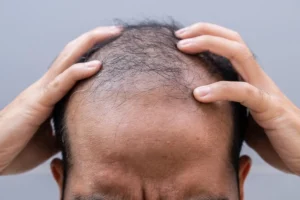
When patients hear the phrase radiation and hair loss, they often imagine the dramatic hair shedding associated with chemotherapy, yet radiation alone can also trigger significant hair thinning or baldness. Understanding this connection is essential for anyone facing radiotherapy, whether for brain, breast, prostate, or other cancers. In this article we explore how radiation impacts hair follicles, the factors that determine the extent of loss, practical steps to manage it, and the latest restoration options available after treatment.
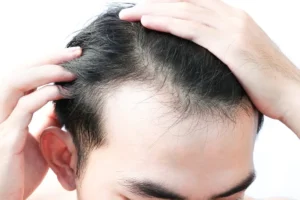
Radiation therapy is a cornerstone of modern oncology, delivering high‑energy particles to destroy cancer cells. However, the same energy can affect rapidly dividing cells in the skin and hair follicles, leading to the well‑documented side effect of hair loss. According to clinical reports, up to 85 % of patients receiving head‑and‑neck radiotherapy experience noticeable hair thinning, while those treated on other body parts may notice localized patches.
Beyond the physical changes, hair loss can deeply affect self‑esteem and quality of life. Knowing what to expect, how to protect your scalp, and which restorative paths exist can empower you to navigate treatment with confidence.
How Radiation Therapy Leads to Hair Loss
Radiation therapy works by damaging the DNA of cancer cells, preventing them from dividing. Unfortunately, hair follicles are among the fastest‑growing cells in the body, making them vulnerable to the same DNA damage. When radiation penetrates the scalp, it disrupts the normal growth cycle of hair, pushing follicles into a resting phase known as telogen. This results in shedding that typically begins 2–4 weeks after the first treatment session.
Key mechanisms include:
- Direct DNA damage to follicular cells, impairing their ability to produce new hair shafts.
- Vascular changes that reduce blood flow, limiting nutrients essential for hair growth.
- Inflammatory responses that create a hostile environment for follicle regeneration.
These processes are collectively referred to as the after effects of radiotherapy. The severity depends on several variables, which we discuss in the next section.
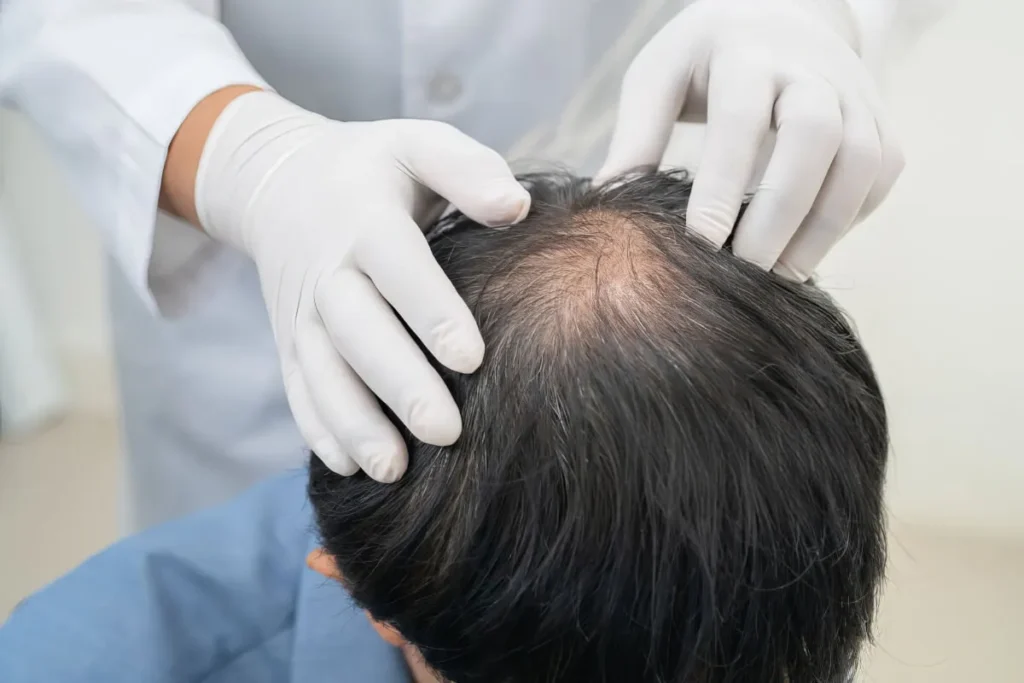
Factors Influencing the Severity of Hair Loss
Not everyone undergoing radiation will lose the same amount of hair. Several factors shape the outcome:
| Factor | Impact on Hair Loss |
|---|---|
| Radiation Dose | Higher cumulative doses increase follicular damage, leading to more extensive loss. |
| Treatment Area | Direct exposure of the scalp or nearby skin results in localized or diffuse shedding. |
| Fractionation Schedule | Smaller, more frequent doses may allow partial recovery between sessions. |
| Individual Sensitivity | Genetic factors and overall health influence how follicles respond to radiation. |
For example, patients receiving radiation side effects for prostate cancer often notice only minimal hair loss because the treatment field is far from the scalp. Conversely, those undergoing radiation therapy side effects for head‑and‑neck cancers may experience near‑total baldness in the treated zone.
Other considerations include concurrent chemotherapy, which can amplify the side effects of radiation therapy and accelerate hair shedding. Understanding these variables helps clinicians tailor protective strategies.
Managing Hair Loss During and After Radiation
While the loss itself may be inevitable in certain cases, there are proven methods to lessen discomfort and protect the scalp.
Scalp Care Strategies
- Use a gentle, sulfate‑free shampoo to avoid irritating the skin.
- Apply a moisturizing conditioner to maintain scalp hydration.
- Consider a silicone‑based scalp protector or a soft, breathable head covering during treatment sessions.
Tıbbi Müdahaleler
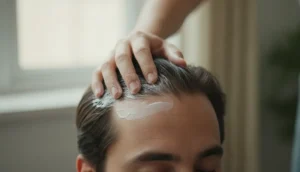
Topical minoxidil has shown promise in reducing the duration of shedding and promoting earlier regrowth. Studies indicate that applying 5 % minoxidil twice daily can shorten the telogen phase by up to 30 % in patients experiencing radiation side effects.
In addition, low‑level laser therapy (LLLT) is an emerging adjunct that stimulates follicular activity without adding significant heat or radiation. Patients report improved hair density when LLLT is combined with standard post‑radiation care.
Nutrition and Lifestyle
Maintaining a diet rich in protein, iron, zinc, and vitamins A, C, and E supports the body’s natural repair mechanisms. Hydration, adequate sleep, and stress‑reduction techniques such as mindfulness can also influence hair recovery.
It is essential to discuss any supplements or topical agents with your oncologist to avoid interactions with ongoing cancer treatment.
Options for Hair Restoration After Radiation
When hair loss persists beyond the typical regrowth window (usually 3–6 months post‑treatment), many patients explore permanent solutions. Modern hair restoration techniques can address both aesthetic concerns and psychological well‑being.
FUE (Follicular Unit Extraction)
FUE involves harvesting individual follicular units from a donor area—often the back of the scalp—and implanting them into the balding zone. This method is particularly suitable for patients who have completed radiation therapy and have stable scalp health. The success rate for post‑radiation patients is comparable to other cases, provided the recipient site shows adequate vascularization.
DHI (Doğrudan Saç İmplantasyonu)
DHI uses a specialized implanter pen to place grafts at precise depths and angles, reducing trauma and improving graft survival. For scarred or previously irradiated skin, DHI can be advantageous because it minimizes the need for large incisions.
Eyebrow and Beard Transplants
Radiation can also affect facial hair. Gold City Hair offers customized eyebrow and beard transplants, restoring natural contours and symmetry. These procedures follow the same meticulous standards as scalp transplants.
Non‑Surgical Alternatives
- Scalp micropigmentation – creates the illusion of density using natural‑looking pigments.
- Custom‑crafted hairpieces – designed to match texture and color for a seamless appearance.
- Platelet‑rich plasma (PRP) therapy – may stimulate residual follicles and improve thickness.
Choosing the right method depends on factors such as the extent of radiation damage, donor hair availability, and personal aesthetic goals. A thorough consultation with a qualified hair restoration specialist will clarify the best path forward.
Overlooked Considerations and Common Myths
Many patients hold misconceptions that can affect decision‑making. Below we address several frequently misunderstood points.
Myth: Radiation Always Causes Complete Baldness
While head‑and‑neck radiation often leads to extensive loss, many other treatment sites cause only localized thinning. The statement “does radiation cause hair loss” is true in context but not universally absolute.
Myth: Hair Will Never Grow Back After Radiation
In most cases, follicles recover once the radiation dose ceases and the skin heals. Regrowth may be slower and less dense, but interventions like minoxidil, PRP, or low‑level laser therapy can enhance the process.
Myth: Chemotherapy Is the Only Cause of Treatment‑Related Hair Loss
Both chemotherapy and radiotherapy can induce hair shedding, but they act through different mechanisms. Understanding the distinction helps patients select targeted protective measures.
Additional Considerations
- Psychological support – counseling can mitigate the emotional impact of hair loss.
- Timing of restoration – most surgeons recommend waiting at least 12 months post‑radiation before permanent transplant procedures.
- Skin health – scar tissue from radiation may require pre‑treatment with laser resurfacing to improve graft uptake.
By addressing these myths and planning proactively, patients can navigate the journey from treatment to recovery with realistic expectations.
Why Choose Gold City Hair
Gold City Hair has been delivering personalized hair restoration solutions since 2017, combining cutting‑edge FUE, DHI, and facial hair transplant techniques with compassionate patient care. Our team understands the unique challenges faced by individuals who have experienced radiation and hair loss, offering tailored treatment plans that prioritize safety, natural results, and lasting confidence. With transparent communication and a commitment to excellence, we guide you from consultation through recovery, ensuring a smooth and supportive experience.
Ready to restore your hair and confidence after radiation? Contact Gold City Hair today for a personalized assessment and discover the best restoration pathway for you.
Take the first step toward a fuller future—schedule your free consultation now.
SSS
How does radiation therapy cause hair loss?
Radiation damages DNA in hair follicle cells, pushing them into a resting (telogen) phase that leads to shedding.
What factors affect the severity of hair loss from radiation?
Dose, treatment area, fractionation schedule, and individual genetic sensitivity determine how much hair is lost.
Can hair grow back after radiation treatment?
In most cases hair regrows, though it may be slower and less dense than before.
What scalp care strategies help during radiation therapy?
Use gentle, sulfate‑free shampoos, moisturize, and protect the scalp with silicone‑based products or soft head coverings.
Are there medical treatments to reduce hair loss after radiation?
Yes, topical minoxidil, low‑level laser therapy, and PRP are commonly used to promote regrowth.
What hair restoration options are available after radiation?
FUE, DHI, eyebrow/beard transplants, scalp micropigmentation, custom hairpieces, and PRP are viable options.