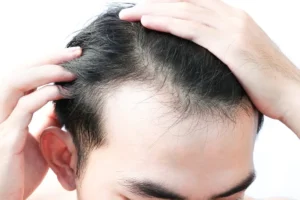
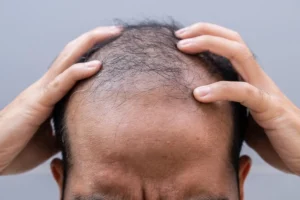
A complete hair transplant is a comprehensive solution for individuals seeking to restore natural‑looking hair across the entire scalp. This article explains the full process, the techniques available, and the realistic outcomes you can anticipate. With hair loss affecting millions worldwide, understanding every stage—from initial consultation to long‑term maintenance—helps you make an informed decision.
In recent years, Turkey has become a leading destination for hair restoration, offering advanced methods such as Follicular Unit Extraction (FUE) and Direct Hair Implantation (DHI). According to industry reports, the success rate of modern hair transplant surgery exceeds 90%, making it a reliable option for both men and women.
We will walk you through each phase of a complete hair transplant, highlight key considerations when selecting a technique, and provide practical tips for a smooth recovery. Whether you are exploring options for the first time or refining your plan, this guide equips you with the knowledge needed to achieve lasting confidence.
Understanding a Complete Hair Transplant Procedure
A complete hair transplant involves the removal of healthy hair follicles from a donor area—usually the back or sides of the scalp—and their meticulous placement into balding or thinning zones. The goal is to create a natural hairline and density that blends seamlessly with existing hair.
The typical workflow includes:
- Initial Consultation: Assessment of hair loss pattern, donor hair quality, and patient expectations.
- Scalp Analysis: Use of digital imaging to map graft distribution.
- Design Planning: Customized hairline design based on facial features.
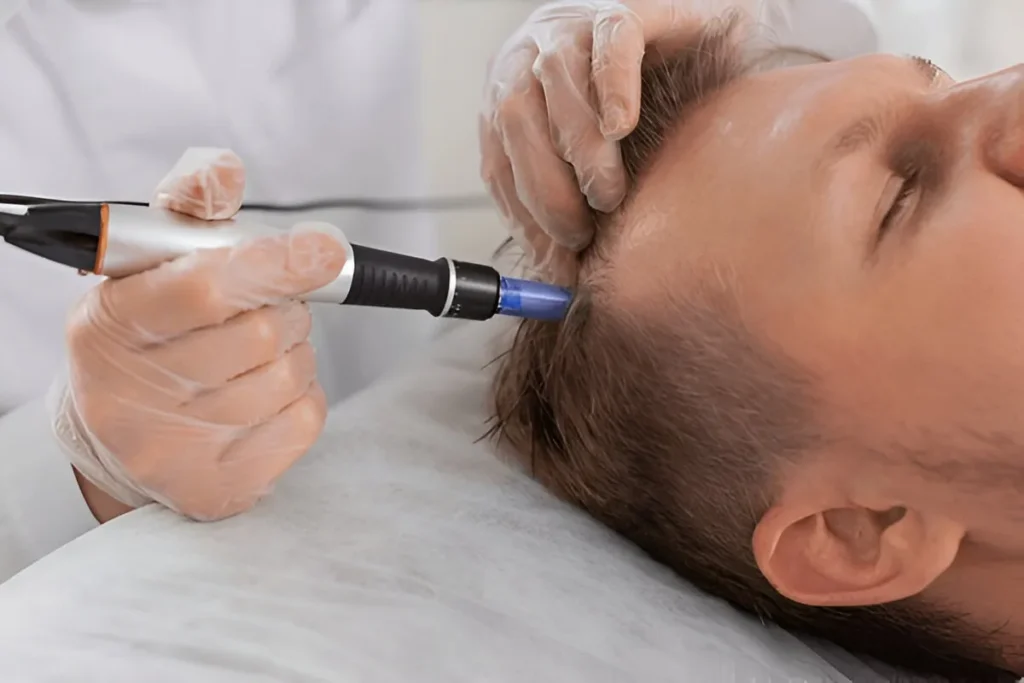
- Extraction Phase: Harvesting follicles using FUE or DHI tools.
- Graft Preparation: Sorting and preserving grafts in a nutrient solution.
- Implantation Phase: Precise insertion of grafts into pre‑created channels.
- Post‑Op Care: Instructions for wound care, medication, and activity restrictions.
Each step is performed under sterile conditions to minimize infection risk and ensure graft viability. A skilled surgeon will aim for a graft survival rate above 95%, which directly influences the final density and coverage.
Choosing the Right Technique: FUE vs DHI vs Traditional Methods
Selecting the appropriate method is crucial for achieving optimal results. While all techniques aim to relocate healthy follicles, they differ in extraction style, implantation precision, and recovery time.
| Technique | Extraction Method | Implantation Precision | Recovery Time | Ideal Candidates |
|---|---|---|---|---|
| FUE (Follicular Unit Extraction) | Individual follicles are removed with a micro‑punch. | High – grafts are placed manually. | 7‑10 days for minimal scabbing. | Patients needing moderate density and minimal scarring. |
| DHI (Doğrudan Saç İmplantasyonu) | Follicles are loaded into a Choi implanter pen. | Very high – depth and angle controlled. | 5‑9 days, often less swelling. | Those desiring precise hairline shaping. |
| Traditional Strip (FUT) | Linear strip of scalp removed, then dissected. | Moderate – grafts placed after dissection. | 10‑14 days, linear scar present. | Patients with extensive baldness and ample donor hair. |
When deciding, consider factors such as scalp laxity, desired density, and tolerance for potential scarring. FUE remains popular for its scar‑free outcome, while DHI offers the most precise control over graft angle, which can be essential for a natural hairline.
Preparing for Surgery: Pre‑Op Care and Expectations
Proper preparation sets the foundation for a successful transplant. Patients are advised to follow a structured pre‑operative regimen to reduce complications and enhance graft survival.
Medical Evaluation
- Complete blood work to rule out infections.
- Review of medications—anticoagulants and certain supplements may need to be paused.
- Assessment of scalp health, including any dermatological conditions.
Lifestyle Adjustments
- Avoid smoking and alcohol for at least two weeks before surgery.
- Maintain a balanced diet rich in protein, vitamins A, C, and E.
- Stop using harsh hair products or chemical treatments.
Day‑Of‑Surgery Checklist
- Arrive with a clean, shaved donor area if required.
- Bring a light snack and water for post‑procedure recovery.
- Wear comfortable, loose clothing to minimize friction on the scalp.
Understanding these steps helps you approach the procedure with confidence and reduces the likelihood of post‑operative issues. Your surgeon will provide a personalized plan based on your unique hair loss pattern and health profile.
Recovery and Results: Timeline After a Complete Hair Transplant
Recovery is a phased process, and visible results typically emerge over several months. Patience and adherence to post‑operative instructions are key to achieving the best possible outcome.
| Time Frame | What to Expect | Care Recommendations |
|---|---|---|
| Days 1‑3 | Scalp may be tender; small scabs form around grafts. | Gentle washing with prescribed shampoo; avoid touching grafts. |
| Weeks 2‑4 | Initial shedding of transplanted hairs (often called “shock loss”). | Continue mild cleansing; protect scalp from direct sun. |
| Months 3‑6 | New hair growth begins; density gradually improves. | Use recommended topical treatments; maintain a healthy diet. |
| Months 9‑12 | Full maturation of grafts; natural look achieved. | Regular follow‑up visits to assess graft survival and plan any touch‑ups. |
Most patients report noticeable improvement by the sixth month, with final results stabilizing around the one‑year mark. Throughout recovery, avoid strenuous exercise, swimming pools, and excessive heat to protect the delicate grafts.
Cost Considerations and Value of a Complete Hair Transplant
Investing in a complete hair transplant involves evaluating both financial and qualitative factors. While price varies by clinic, technique, and graft count, understanding the value proposition helps you make a wise choice.
Key Cost Drivers
- Number of grafts required—larger sessions increase total cost.
- Technique selected—DHI often carries a premium due to specialized equipment.
- Surgeon’s experience and reputation.
- Location of the clinic—Turkey offers competitive pricing without compromising quality.
- Included services—pre‑op labs, post‑op medications, and follow‑up visits.
Assessing Value
When comparing offers, consider the long‑term benefits: a permanent solution that restores confidence, eliminates the need for daily concealers, and reduces future hair‑related expenses. Clinics that provide transparent communication, personalized treatment plans, and post‑operative support deliver higher overall value.
For many patients, the cost of a complete hair transplant is offset by the psychological and social advantages of a fuller head of hair, making it a worthwhile investment in personal well‑being.
Why Choose Gold City Hair
Gold City Hair combines cutting‑edge technology with a patient‑centered approach. Since 2017, our clinic in Turkey has performed thousands of successful hair restoration procedures, specializing in FUE, DHI, and eyebrow/beard transplants. Our team prioritizes transparent communication, personalized treatment plans, and meticulous post‑operative care, ensuring each client achieves natural, lasting results.
Ready to start your journey toward a fuller, natural‑looking head of hair? Contact Gold City Hair today to schedule a confidential consultation and discover a tailored solution that fits your goals.
SSS
What is a complete hair transplant and how does it work?
A complete hair transplant moves healthy follicles from a donor area to balding zones to create a natural hairline and density.
How do FUE, DHI, and FUT techniques differ?
FUE extracts individual follicles, DHI uses a pen for precise implantation, while FUT removes a strip of scalp to dissect grafts.
What should I do to prepare for a hair transplant surgery?
Follow medical evaluations, adjust lifestyle habits, and complete a day‑of‑surgery checklist.
What is the typical recovery timeline after a hair transplant?
Recovery spans days to a year, with visible growth usually starting at 3‑6 months.
How much does a complete hair transplant cost and what factors affect the price?
Cost varies by graft count, technique, surgeon reputation, and clinic location, with Turkey offering competitive pricing.
Why is Gold City Hair considered a reliable clinic for hair transplants?
Gold City Hair combines advanced technology, experienced surgeons, and personalized patient care since 2017.