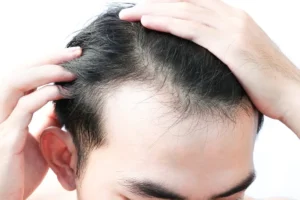
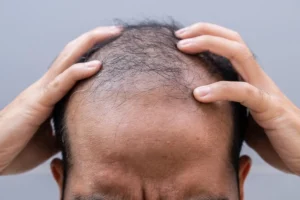
When it comes to hair vitamins for hair loss, many people wonder which nutrients truly make a difference. The right blend of vitamins, minerals, and antioxidants can nourish hair follicles, improve scalp health, and slow the shedding cycle. In fact, studies show that up to 70% of hair thinning cases have a nutritional component, highlighting the importance of a balanced diet and targeted supplementation.
This guide explores the science behind hair nutrition, identifies the most effective vitamins, and offers practical advice on selecting high‑quality supplements. Whether you’re considering a daily regimen, looking to complement a hair transplant, or simply want to boost overall hair vitality, understanding the role of each nutrient will help you make informed decisions.
We’ll also address common myths, discuss how to integrate vitamins with medical treatments, and share lifestyle tips that amplify results. By the end of this article, you’ll have a clear roadmap to support stronger, fuller hair from the inside out.
Understanding Hair Loss and the Role of Nutrition
Hair growth is a complex process that relies on a steady supply of nutrients. When the body lacks essential vitamins or minerals, follicles can enter the telogen (resting) phase prematurely, leading to increased shedding and thinner strands. Nutrition influences three key aspects of hair health:
- Follicle Strength: Proteins, iron, and zinc fortify the hair shaft and root.
- Scalp Circulation: Vitamin C and omega‑3 fatty acids promote blood flow, delivering oxygen and nutrients.
- Hormonal Balance: Vitamin D and B‑complex vitamins help regulate hormones that affect hair cycles.
Common Causes of Hair Thinning
While genetics play a major role, several modifiable factors can exacerbate loss:
- Iron deficiency or anemia
- Chronic stress leading to cortisol spikes
- Excessive heat styling or harsh chemicals
- Inadequate protein intake
Addressing these issues with targeted nutrition often yields noticeable improvements within three to six months.
| Nutrient | Primary Function for Hair | Key Food Sources |
|---|---|---|
| Biotin (Vitamin B7) | Supports keratin production | Eggs, nuts, sweet potatoes |
| Iron | Delivers oxygen to follicles | Red meat, lentils, spinach |
| Vitamin D | Regulates hair growth cycle | Sunlight, fortified dairy, fatty fish |
| Zinc | Reduces inflammation, supports DNA synthesis | Pumpkin seeds, oysters, chickpeas |

Key Vitamins and Minerals That Support Hair Growth
Not all supplements are created equal. The most research‑backed vitamins for hair health include:
Vitamin A
Essential for sebum production, which keeps the scalp moisturized. Too much can cause shedding, so balance is critical.
Vitamin C
Powerful antioxidant that protects follicles from oxidative stress and enhances iron absorption.
Vitamin E
Improves blood circulation to the scalp, delivering nutrients more efficiently.
B‑Complex Vitamins
Biotin, niacin, and pantothenic acid collectively boost keratin formation and reduce inflammation.
Minerals
Iron, zinc, and selenium each play distinct roles in follicle health. A deficiency in any can trigger diffuse thinning.
When choosing a supplement, look for products that combine these nutrients in clinically studied dosages. Below is a comparison of common formulations.
| Formulation | Key Vitamins/Minerals | Typical Daily Dose | Notes |
|---|---|---|---|
| Basic Hair Growth Blend | Biotin 5 mg, Vitamin C 60 mg, Zinc 15 mg | 1 capsule | Suitable for mild thinning |
| Advanced Follicle Support | Biotin 10 mg, Vitamin D 1000 IU, Iron 18 mg, Selenium 55 µg | 2 capsules | Ideal for iron‑deficient individuals |
| Comprehensive Hair, Skin & Nails | Biotin 2.5 mg, Vitamin A 500 IU, Vitamin E 15 IU, Zinc 10 mg | 1 tablet | Balanced for overall beauty health |
How to Choose Effective Hair Growth Supplements
With countless options on the market, selecting the right product can be overwhelming. Follow these guidelines to ensure safety and efficacy:
- Check for Third‑Party Testing: Look for certifications such as NSF or USP that verify ingredient purity.
- Review Ingredient Transparency: All active compounds should be listed with exact dosages.
- Avoid Excessive Doses: More isn’t always better; megadoses of vitamin A or iron can cause toxicity.
- Consider Your Health Profile: Individuals with thyroid issues or anemia may need tailored formulations.
- Read Consumer Reviews: Real‑world feedback can reveal absorption quality and side‑effects.
Below is a quick decision matrix to help you match your needs with the right supplement type.
| Need | Recommended Supplement Type | Temel Özellikler |
|---|---|---|
| General thinning | Basic Hair Growth Blend | Biotin, Vitamin C, Zinc; low risk of side effects |
| Iron‑deficiency related loss | Advanced Follicle Support | Higher iron, Vitamin D, Selenium; monitor iron levels |
| Post‑procedure recovery (e.g., after a hair transplant) | Comprehensive Hair, Skin & Nails | Balanced vitamins, antioxidant support, promotes healing |
| Severe hormonal imbalance | Custom‑formulated B‑Complex + Vitamin D | Targets hormone regulation, supports follicle cycling |
Integrating Vitamins with Medical Treatments and Lifestyle
Vitamins are most effective when used as part of a holistic hair‑restoration plan. If you are undergoing a procedure such as FUE or DHI at Gold City Hair, consider the following integration strategies:
- Pre‑Procedure Nutrition: Begin a balanced vitamin regimen at least four weeks before surgery to prime follicle health.
- Post‑Procedure Support: Continue with a comprehensive supplement that includes Vitamin C and zinc to aid wound healing and reduce inflammation.
- Avoid Interfering Medications: Certain supplements can interact with prescription hair loss medications; consult your clinician.
- Healthy Lifestyle Habits: Adequate sleep, stress management, and gentle scalp massage improve nutrient delivery.
- Regular Monitoring: Blood tests every 3–6 months can track iron, vitamin D, and thyroid levels, ensuring optimal dosing.
Combining nutrition with professional treatments often accelerates graft survival and promotes thicker regrowth. Remember that consistency is key—most patients notice measurable improvements after 12 weeks of diligent supplementation.
Common Myths About Hair Vitamins
Misconceptions can lead to wasted money and disappointment. Let’s debunk a few prevalent myths:
Myth 1: “More is Better”
Excessive intake of fat‑soluble vitamins (A, D, E) can accumulate in the body and cause toxicity, potentially worsening hair loss.
Myth 2: “Vitamins Grow Hair Instantly”
Hair cycles are slow; visible results typically appear after 3–6 months of consistent use.
Myth 3: “All Supplements Are the Same”
Formulation quality varies widely. Bioavailability, ingredient source, and manufacturing standards affect effectiveness.
Understanding these realities helps you set realistic expectations and choose products that truly support follicular health.
Why Choose Gold City Hair
Gold City Hair combines cutting‑edge transplant techniques with a personalized approach to overall hair health. Since 2017, our experienced team has delivered successful FUE, DHI, and eyebrow/beard transplants while emphasizing transparent communication and individualized care plans. By integrating evidence‑based nutrition advice—including the optimal use of hair vitamins for hair loss—we help patients achieve lasting, natural results. Trust a clinic that prioritizes both surgical excellence and holistic well‑being.
Ready to boost your hair’s resilience from the inside out? Contact Gold City Hair today to schedule a personalized consultation and learn how the right vitamin regimen can complement your hair restoration journey.
Take the first step toward healthier, fuller hair—book your appointment now.
SSS
What are the most effective vitamins for preventing hair loss?
Biotin, iron, vitamin D, zinc, and vitamin C are among the most research‑backed nutrients for hair health.
How long does it take to see results from hair vitamins?
Visible improvements typically appear after 3–6 months of consistent use.
Can I take hair vitamins together with prescription hair loss medications?
Yes, but you should consult your clinician to avoid potential interactions.
What are common myths about hair vitamins?
Myths include that more is always better, that vitamins grow hair instantly, and that all supplements are identical.
How should I choose a hair vitamin supplement?
Look for third‑party testing, transparent ingredient lists, appropriate dosages, and formulations matching your specific needs.
Can nutrition improve results after a hair transplant?
Yes, targeted vitamins can enhance graft survival and promote faster regrowth post‑procedure.