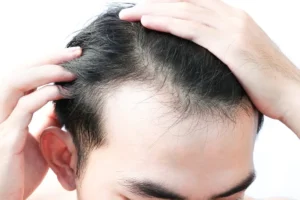
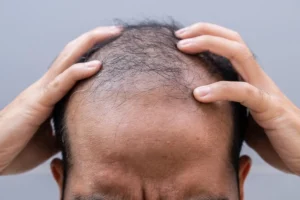
When you search for hair restoration before and after pictures, you’re looking for proof that a treatment can truly change your appearance. In this article we break down the science behind modern hair restoration, walk you through the patient journey, and show how to interpret the visual evidence that demonstrates lasting success. According to recent surveys, over 70% of men and women who view authentic before‑and‑after galleries feel more confident about choosing a procedure.
Understanding the process helps set realistic expectations and eliminates common misconceptions. We’ll explore the most popular techniques, detail what happens on the day of surgery, and explain how to assess the quality of transformation photos. Whether you’re considering a hairline transplant, a full scalp restoration, or a beard transplant, the visual results are a powerful decision‑making tool.
Let’s dive into the details, so you can see why many patients trust professional clinics in Turkey for their hair restoration journey.
Understanding Modern Hair Restoration Techniques
Today’s hair restoration relies on minimally invasive methods that harvest individual follicles and re‑implant them with precision. The two leading techniques are Follicular Unit Extraction (FUE) and Direct Hair Implantation (DHI). Both aim to achieve natural density while minimizing scarring, but they differ in extraction and implantation processes.
FUE vs. DHI: How They Work
- FUE involves removing follicular units one by one using a micro‑punch, then placing them into pre‑made channels.
- DHI uses a patented implanter pen that allows immediate placement of grafts without creating separate incisions first.
Choosing between them often depends on the patient’s hair type, donor area quality, and desired recovery speed. Below is a quick comparison.
| Feature | FUE | DHI |
|---|---|---|
| Extraction Method | Micro‑punch tool | Implanter pen |
| Implantation Speed | Requires separate channel creation | Direct placement, faster |
| Scarring | Tiny dot scars | Even less visible |
| Ideal Candidates | Broad donor area | High precision needs |
Both methods produce impressive hair graft survival rates, typically between 85‑95%. For patients seeking a hairline transplant or hair grafts for men, the choice often hinges on the clinic’s expertise and the individual’s aesthetic goals. In Turkey, clinics specialize in both FUE and DHI, offering customized plans that align with each patient’s unique pattern of loss.

What to Expect During the Procedure
The journey from consultation to the final result is carefully structured to ensure safety and optimal outcomes. A typical hair transplant before and after timeline begins with an in‑depth medical assessment, followed by the surgical day, and concludes with a structured post‑op regimen.
Consultation and Planning
- Medical history review and scalp analysis.
- Digital mapping of the donor and recipient zones.
- Discussion of target density and realistic hair transplant results.
During this phase, surgeons often show patients hair transplant images before and after from previous cases to illustrate potential outcomes. This visual reference helps align expectations with what the clinic can deliver.
The Surgical Day
- Local anesthesia is administered for a pain‑free experience.
- Grafts are harvested using FUE or DHI techniques.
- Implantation follows the pre‑planned design, focusing on natural hairline curvature.
Patients frequently ask about hair implants for receding hairline and the answer lies in the precise angling of each graft. The procedure typically lasts 6‑10 hours, depending on the number of grafts—ranging from 1,500 for modest coverage to over 4,000 for extensive restoration.
After the surgery, the transplanted area may appear slightly reddened, but this subsides within a few days. Immediate visual confirmation of graft placement can be seen in the first hair transplant before after photos taken a week later, showing the raw, freshly implanted follicles.
Analyzing Before and After Photos
Seeing authentic before and after hair transplant images is essential for evaluating a clinic’s performance. However, not all photos are created equal; understanding key visual cues can help you discern genuine results from overly edited pictures.
How to Read the Images
Look for the following indicators:
- Consistent lighting and angle between the two shots.
- Visible scar tissue in the donor area (minimal in FUE/DHI).
- Gradual density increase rather than an instant “full head” look.
High‑quality galleries will often include a series of images taken at 1‑month, 3‑month, 6‑month, and 12‑month intervals, showcasing the natural growth cycle.
Typical Transformations
| Time Post‑Op | Expected Appearance |
|---|---|
| 1‑2 Weeks | Scabs and redness; grafts not visible. |
| 1‑3 Months | Shedding of transplanted hairs (shock loss). |
| 4‑6 Months | New hair growth begins; increased density. |
| 9‑12 Months | Full results visible; natural hairline restored. |
When reviewing hair transplant turkey before and after collections, pay attention to the consistency of hairline curvature and the seamless blend with existing hair. Authentic galleries also feature beard transplant before and after photos for patients interested in facial hair restoration, demonstrating the clinic’s versatility.
Managing Expectations and Long‑Term Care
Even with the most skilled surgeons, the final look depends on proper after‑care and realistic expectations. Understanding the growth timeline and maintenance routine is vital for lasting satisfaction.
Growth Timeline
Transplanted follicles follow a natural cycle:
- Shock loss (weeks 2‑8): Existing hairs may fall out, creating a temporary thinner look.
- New growth (months 3‑6): Fine hairs emerge, gradually thickening.
- Maturation (months 9‑12): Hair reaches full length and density.
Patience is key; most patients report visible improvement after the 6‑month mark, with final density solidified by the one‑year point.
Post‑Op Care Tips
- Avoid direct sunlight and harsh chemicals for the first two weeks.
- Use a gentle, sulfate‑free shampoo as recommended by your surgeon.
- Follow prescribed medication schedules, often including anti‑inflammatories and minoxidil.
- Attend scheduled follow‑up appointments to monitor hair graft before and after progress.
Long‑term results also rely on maintaining a healthy scalp environment. Many clinics advise periodic hair implant after assessments to ensure the grafts remain robust and to discuss any supplemental treatments, such as PRP or low‑level laser therapy.
Choosing the Right Clinic in Turkey
Turkey has become a global hub for hair restoration, offering world‑class expertise at competitive prices. However, not every clinic delivers the same level of care. Selecting the right provider involves evaluating several critical factors.
Why Turkey Leads in Hair Restoration
High patient volume has driven rapid advances in technique, and many surgeons have performed thousands of procedures, refining their skill set. The country’s regulatory standards ensure that clinics meet strict hygiene and medical safety protocols, which contributes to consistently high hair transplant results.
Evaluating Clinics
- Check accreditation and surgeon qualifications.
- Review authentic hair transplant before after pictures from real patients.
- Ask about the specific technique (FUE, DHI, or hairline transplant) and graft count.
- Confirm transparent pricing that includes all medications, accommodations, and follow‑up visits.
When you see credible galleries of turkish hair transplant outcomes, you can gauge a clinic’s consistency. Look for evidence of natural hairline design, minimal scarring, and patient satisfaction over the 12‑month period.
Why Choose Gold City Hair
Gold City Hair combines over six years of experience with a patient‑first philosophy. Our team specializes in FUE, DHI, and precise eyebrow and beard transplants, ensuring each treatment is tailored to your unique pattern of loss. Transparent communication, state‑of‑the‑art facilities, and a proven track record of natural‑looking hair restoration before and after results set us apart as a trusted choice for individuals seeking lasting confidence.
Ready to see your own transformation? Contact Gold City Hair today to schedule a free, no‑obligation consultation and start your journey toward a fuller, natural look.
Take the first step now—your future self will thank you.
SSS
What is the difference between FUE and DHI hair transplant techniques?
FUE extracts follicles with a micro‑punch and creates separate channels, while DHI uses an implanter pen for direct placement without pre‑made incisions.
How long does it take to see visible results after a hair transplant?
Most patients notice initial improvement around 6 months, with full, natural results typically visible by 12 months.
What should I look for when evaluating before and after hair transplant photos?
Check for consistent lighting, angle, visible donor‑site scarring, and progressive density over multiple time points.
What post‑operative care is recommended to ensure long‑term graft survival?
Avoid sun and harsh chemicals, use a gentle shampoo, follow medication protocols, and attend scheduled follow‑ups.
Why is Turkey a popular destination for hair restoration?
Turkey offers high‑volume expertise, advanced techniques, and competitive pricing while maintaining strict medical standards.
How can I verify the credibility of a Turkish hair clinic before booking?
Check accreditation, surgeon qualifications, authentic before‑after galleries, transparent pricing, and patient reviews.