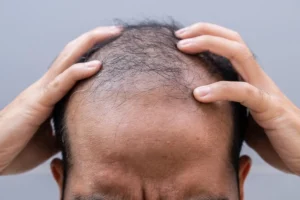
Reaching the two weeks after hair transplant milestone is an exciting point in the recovery journey, as many patients begin to see the first signs of graft stability and reduced inflammation. Understanding the typical healing patterns at this stage helps you manage expectations, avoid common pitfalls, and support optimal growth. In fact, clinical observations show that most patients experience noticeable improvement in scalp comfort and early follicular activity around the 14‑day mark. This article walks you through the physiological changes, essential after‑care practices, warning signs to monitor, and practical advice for returning to everyday life. By the end, you’ll have a clear roadmap for navigating the second week post‑procedure with confidence.
During the first two weeks, the transplanted follicles undergo a delicate phase called “shock loss,” where some hairs may shed before new growth begins. This is a normal part of the hair transplant healing process and should not be mistaken for failure. Simultaneously, the tiny incisions created during FUE or DHI begin to close, and the scalp’s protective barrier is re‑established. Proper scalp hygiene, gentle handling, and adherence to medication schedules are crucial during this window to maximize graft survival.
Beyond the biological aspects, many patients wonder when they can resume work, exercise, or social activities. While individual timelines vary, most can return to light duties within a week, with more vigorous activities delayed until the third week. Nutrition, hydration, and stress management also play a pivotal role in supporting the hair transplant recovery timeline. Let’s explore each component in detail.
Typical Healing Process at Two Weeks
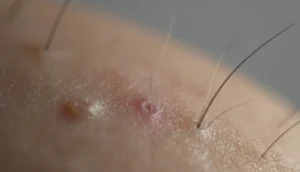
By the time you reach the two‑week point, the scalp’s surface has largely re‑epithelialized, and the risk of infection drops significantly. The micro‑grafts are now anchored within the dermal layer, and the surrounding tissue begins to supply blood and nutrients essential for follicle growth. Most patients report a reduction in redness, swelling, and crusting, although mild scabbing may still be present around the donor area.
Key milestones during this stage include:
- Scab resolution: Crusts soften and fall off naturally, revealing healthy skin underneath.
- Reduced tenderness: Sensitivity to touch diminishes, allowing gentle washing.
- Early follicular activity: Tiny white hairs (vellus) may emerge, signaling the start of the growth phase.
Below is a concise comparison of typical symptoms observed at one week versus two weeks post‑procedure:
| Aspect | 1 Week After | 2 Weeks After |
|---|---|---|
| Scalp redness | Moderate to high | Low to minimal |
| Crusting | Prominent | Fading |
| Pain level | Noticeable | Minor or none |
| Hair shedding | Possible | Typical shock loss |
Understanding these trends helps you differentiate normal healing from complications that may require medical attention.
Scalp and Graft Care Guidelines
Proper after‑care is the cornerstone of successful graft survival, especially during the critical two weeks after hair transplant. The following practices are recommended by leading surgeons and align with the hair transplant care after guidelines:
Gentle Cleansing
Begin washing your scalp on the third or fourth day, using a mild, sulfate‑free shampoo. Apply the shampoo with light fingertips, avoiding direct pressure on the graft sites. Rinse with lukewarm water and pat dry with a soft towel—do not rub.
Moisturizing and Protection
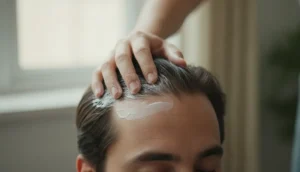
Apply a prescribed topical solution (often containing minoxidil or a soothing serum) as directed. This helps maintain moisture and encourages blood flow. Additionally, wear a loose‑fitting hat or a breathable headband when outdoors to shield the scalp from UV rays and dust.
Avoiding Mechanical Stress
Refrain from scratching, picking at scabs, or using hair styling tools. Even gentle brushing should be avoided until the third week. If you must comb, use a wide‑tooth comb with a light hand.
Here is a quick checklist to keep your routine on track:
- Wash with mild shampoo no earlier than day 3‑4.
- Use prescribed topical medication twice daily.
- Keep the scalp hydrated; drink at least 2 L of water daily.
- Protect from direct sunlight for the first month.
- Avoid tight hats, helmets, or headgear that may rub grafts.
Adhering to these steps dramatically improves graft retention and sets the stage for healthy hair growth.
Normal vs. Concerning Recovery Signs
Distinguishing between expected healing and potential complications is essential for peace of mind. At the two‑week mark, most patients notice a decline in discomfort, but certain symptoms warrant prompt attention.
Typical Indicators
- Light itching as scabs loosen.
- Minor crusts falling off without bleeding.
- Gradual reduction of swelling.
Warning Signals
If you experience any of the following, contact your clinic immediately:
- Persistent severe pain or throbbing.
- Excessive redness spreading beyond the graft area.
- Unusual discharge, pus, or foul odor.
- Sudden, extensive hair loss beyond normal shock loss.
These signs could indicate infection, graft rejection, or other issues that may affect the hair transplant results. Early intervention often resolves problems before they impact long‑term outcomes.
Returning to Daily Activities and Work
Most patients are eager to resume normal routines after the initial recovery phase. By the two weeks after hair transplant, many can safely return to light office work, driving, and short walks. However, certain activities should still be limited to protect the grafts.
Allowed Activities
- Desk jobs and light physical tasks.
- Walking or gentle stretching.
- Non‑impact sports such as swimming (with a loose cap) after the third week.
Restricted Activities
Avoid heavy lifting, intense cardio, contact sports, and sauna or steam rooms for at least three weeks. These activities increase blood pressure and sweating, which can disrupt the delicate healing environment.
Below is a simple schedule to guide your return to normalcy:
| Week | Recommended Activities | Activities to Avoid |
|---|---|---|
| 1‑2 | Light office work, short walks | Heavy lifting, vigorous exercise |
| 3‑4 | Moderate cardio, swimming with cap | Contact sports, sauna |
| 5‑6 | Full return to gym, jogging | None (unless advised otherwise) |
Listening to your body and progressing gradually ensures that the hair transplant healing time remains on track.
Nutrition, Medication, and Lifestyle Support
What you eat and the supplements you take can influence the speed and quality of hair regrowth. While the surgical technique sets the foundation, proper nutrition fuels the follicles during the hair transplant month by month journey.
Key Nutrients
- Protein: Essential for keratin production; aim for 1.2‑1.5 g per kg body weight daily.
- Biotin and Vitamin B‑complex: Support hair shaft strength.
- Zinc and Iron: Promote blood circulation to the scalp.
- Omega‑3 fatty acids: Reduce inflammation and improve skin health.
Medication Adherence
Most clinics prescribe a combination of antibiotics, anti‑inflammatories, and sometimes minoxidil. Take these exactly as directed; missing doses can compromise graft survival.
Lifestyle Tips
Maintain adequate sleep (7‑9 hours), manage stress through meditation or light yoga, and stay hydrated. These habits collectively enhance the hair transplant results and shorten the overall hair transplant recovery timeline.
Below is a sample daily plan for the two‑week period:
- Morning: Light protein‑rich breakfast, multivitamin, prescribed medication.
- Mid‑day: Balanced lunch with leafy greens, fish, and whole grains; 2 L water intake.
- Afternoon: Short walk, gentle scalp massage (if approved).
- Evening: Light dinner, omega‑3 supplement, early bedtime.
Following such a regimen maximizes the chances of robust, natural‑looking hair growth.
Why Choose Gold City Hair
Gold City Hair has been delivering personalized hair restoration solutions in Turkey since 2017. Our clinic specializes in advanced FUE and DHI techniques, ensuring minimal scarring and high graft survival rates. With a focus on transparent communication, each patient receives a customized treatment plan, thorough pre‑operative assessment, and dedicated post‑operative support. Our experienced medical team combines surgical expertise with compassionate care, helping you regain confidence through natural‑looking results.
Ready to start your transformation? Contact Gold City Hair today to schedule a free consultation and discover a tailored plan for lasting hair restoration.
SSS
What should I expect two weeks after a hair transplant?
By the two‑week mark most patients notice reduced redness, less tenderness, and the beginning of early follicular activity such as tiny white hairs.
How do I care for my scalp during the two‑week post‑op period?
Use a mild sulfate‑free shampoo from day 3‑4, apply prescribed topical solutions, keep the scalp hydrated, and protect it from direct sunlight and mechanical stress.
What are the signs of normal healing versus complications at two weeks?
Normal signs include mild itching, scab loosening, and reduced swelling; concerning signs are severe pain, spreading redness, pus, foul odor, or sudden extensive hair loss.
When can I return to work and exercise after two weeks?
Most patients can resume light office work and short walks after two weeks, but should avoid heavy lifting, intense cardio, and contact sports until at least the third week.
Which nutrients and supplements support hair transplant recovery?
Protein, biotin, vitamin B‑complex, zinc, iron, and omega‑3 fatty acids are key nutrients that promote graft survival and hair regrowth.
How can I prevent shock loss and improve graft survival?
Follow proper after‑care, avoid mechanical stress, stay hydrated, adhere to medication schedules, and maintain a nutritious diet to minimize shock loss.