Injections for hair loss have become a popular non‑surgical alternative for individuals seeking to combat thinning hair and baldness. This article explains the science behind these therapies, compares the most common options, and guides you on selecting a qualified provider. With over 30 % of men and 20 % of women experiencing noticeable hair thinning by age 35, many are turning to injectable solutions to halt or reverse the process.
We will cover the mechanisms of platelet‑rich plasma (PRP) injections, steroid and stem‑cell treatments, and how they fit into a comprehensive hair restoration plan. Understanding the benefits, limitations, and realistic expectations will help you make an informed decision and achieve lasting confidence.
Whether you are exploring a single injection series or looking to combine treatments with surgical hair transplant techniques, the information below will equip you with the knowledge needed to choose the right approach for your unique situation.
Understanding Injection Therapies for Hair Loss
Injectable therapies target the scalp’s micro‑environment to stimulate hair follicles, improve blood flow, and reduce inflammation. The most widely used options include:
- Platelet‑Rich Plasma (PRP) injections – autologous blood plasma enriched with growth factors.
- Stem‑cell injections – laboratory‑processed cells aimed at regenerating follicular tissue.
- Steroid injections – anti‑inflammatory agents that can reduce scalp inflammation associated with alopecia.
- Biotin or vitamin‑based injections – designed to supplement nutritional deficiencies that affect hair growth.
Each method leverages a different biological pathway, yet they share the common goal of encouraging hair regrowth and strengthening existing strands. While PRP has the most robust clinical data, stem‑cell and steroid injections are gaining interest for specific types of hair loss, such as androgenetic alopecia and alopecia areata.
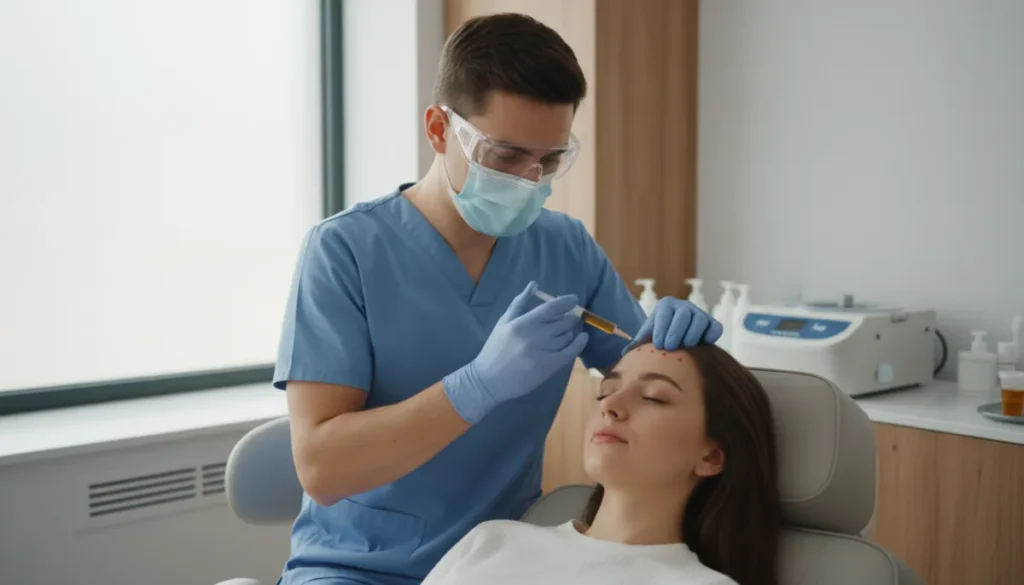
How PRP Injections Work and What to Expect
PRP injection is a minimally invasive procedure that uses the patient’s own blood to promote healing and stimulate dormant hair follicles. After a small blood draw, the sample is centrifuged to separate the platelet‑rich layer, which contains growth factors such as PDGF, TGF‑β, and VEGF. These factors are then re‑injected into the scalp at strategic points.
Typical treatment protocols involve 3‑4 sessions spaced 4‑6 weeks apart, followed by maintenance sessions every 4‑6 months. Most patients notice reduced shedding within 2‑3 months and visible thickening after 6‑12 months.
| Aspect | PRP Injection | Steroid Injection | Stem‑Cell Injection |
|---|---|---|---|
| Source | Autologous blood plasma | Synthetic corticosteroid | Lab‑processed cellular material |
| Typical Sessions | 3‑4 initial, then maintenance | 1‑3 as needed | 2‑3 initial, then periodic |
| Recovery Time | Minimal, 1‑2 days | Possible redness, 2‑3 days | Variable, 2‑4 days |
| Evidence Base | Strong clinical studies | Limited for hair growth | Emerging research |
Because PRP utilizes the patient’s own platelets, the risk of allergic reaction is extremely low. However, results can vary based on individual health, age, and the severity of hair loss. Consulting a qualified specialist ensures a personalized protocol that maximizes efficacy.
Benefits and Limitations of Non‑Surgical Injections
Injectable treatments offer several advantages over surgical options. They are generally less costly, involve no scalp incisions, and have a quicker recovery period. For patients hesitant about a full hair transplant, injections provide a low‑commitment entry point to assess responsiveness.
Nevertheless, there are limitations. Injections typically address early‑stage thinning rather than extensive baldness, and multiple sessions are required to maintain results. Some individuals may experience mild discomfort, temporary swelling, or bruising at injection sites.
- Pros: Minimal downtime, low infection risk, can be combined with other therapies.
- Cons: Requires ongoing maintenance, variable efficacy, may not fully replace surgical restoration for advanced loss.
When deciding whether to pursue injections, consider your hair loss pattern, lifestyle, and long‑term goals. Pairing injections with proven hair growth products such as minoxidil or nutritional supplements can enhance outcomes, especially for those with diffuse thinning.
Choosing the Right Injection Provider: What to Look For
Selecting a reputable clinic is essential for safe and effective results. Key criteria include:
- Board‑certified dermatologists or hair restoration surgeons with specific training in injection therapies.
- Transparent treatment plans that outline the number of sessions, expected outcomes, and cost structure.
- Use of sterile, FDA‑approved equipment and adherence to strict infection‑control protocols.
- Availability of before‑and‑after documentation and patient testimonials.
- Follow‑up support to monitor progress and adjust the protocol as needed.
Clinics that integrate injection treatments with other modalities—such as FUE or DHI hair transplant—can offer a comprehensive approach that maximizes density and natural appearance. Ask potential providers about their experience with specific conditions, such as treatment for baldness in men or hair loss treatment for women, to ensure they tailor the therapy to your gender‑related patterns.
Combining Injections with Other Hair Restoration Options
Many patients achieve optimal results by blending injectable therapies with surgical techniques. For example, PRP can be administered before and after an FUE (Follicular Unit Extraction) transplant to improve graft survival and accelerate healing. Similarly, DHI (Direct Hair Implantation) procedures benefit from pre‑treatment with PRP to stimulate dormant follicles in surrounding areas.
| Combination | Benefit | Ideal Candidate |
|---|---|---|
| PRP + FUE | Enhanced graft uptake, faster recovery | Patients with moderate to severe loss seeking maximal density |
| Stem‑Cell Injection + DHI | Improved follicle regeneration, better texture | Individuals with diffuse thinning and prior transplant scars |
| Steroid Injection + Finasteride | Reduced inflammation, slowed androgenic progression | Men with early‑stage androgenetic alopecia |
Integrating injections with topical treatments like minoxidil or oral medications such as finasteride can further enhance outcomes. A personalized plan that considers your hair loss stage, scalp health, and aesthetic goals will deliver the most natural and lasting results.
Why Choose Gold City Hair
Gold City Hair has been delivering personalized hair restoration solutions in Turkey since 2017. Our clinic combines advanced injection therapies with world‑class FUE and DHI techniques, ensuring each patient receives a tailored plan that matches their unique needs. With a focus on transparent communication, modern facilities, and a dedicated medical team, we help you regain confidence through safe, effective, and natural‑looking results.
Ready to explore how injections for hair loss can transform your appearance? Contact Gold City Hair today to schedule a personalized consultation and take the first step toward fuller, healthier hair.
SSS
What are the most common injection treatments for hair loss?
The main injectable options are platelet‑rich plasma (PRP), stem‑cell injections, steroid injections, and vitamin‑based formulations such as biotin.
How does PRP therapy stimulate hair growth?
PRP delivers concentrated growth factors to the scalp, which activate dormant follicles and improve blood flow.
What are the benefits and drawbacks of steroid injections for hair loss?
Steroid injections can quickly reduce scalp inflammation but may require repeated treatments and have limited evidence for long‑term hair regrowth.
How many PRP sessions are typically needed for visible results?
Most protocols recommend 3‑4 initial sessions spaced 4‑6 weeks apart, followed by maintenance every 4‑6 months.
Can injection therapies be combined with hair transplant procedures?
Yes, combining injections like PRP with FUE or DHI transplants can improve graft survival and accelerate healing.
What should I look for when choosing a clinic for hair loss injections?
Choose a board‑certified dermatologist or hair‑restoration surgeon with proven injection experience, transparent protocols, and documented results.





