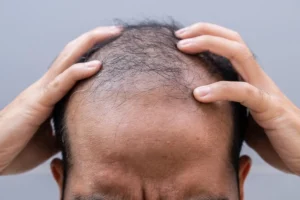
If you’re wondering how to fix hairline concerns, you’re not alone. Millions of people notice their hairline moving back over time, and the desire to restore a natural, youthful look drives many to explore effective solutions. In this article we’ll cover the science behind hairline loss, practical non‑surgical steps, medical options, and the most reliable surgical techniques available today. Understanding the root causes helps you choose the right approach, whether you prefer topical treatments, prescription medication, or a permanent transplant.
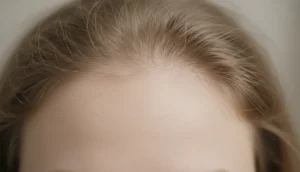
Recent studies show that up to 40 % of men begin experiencing a receding hairline before the age of 30, while women often face subtle thinning at the front that can be just as distressing. Early intervention can slow progression and improve the chances of successful restoration. Below, we break down each strategy so you can decide how to fix hairline issues that suit your lifestyle, budget, and long‑term goals.
From lifestyle adjustments to cutting‑edge procedures performed at Gold City Hair, this guide equips you with the knowledge to take confident steps toward a fuller, healthier hairline.
Understanding Hairline Loss: Causes and Early Signs
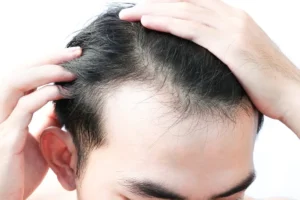
Before you can effectively how to fix hairline problems, it’s essential to recognize why they occur. The most common cause is androgenetic alopecia, often referred to as male‑ or female‑pattern baldness. Hormones called dihydrotestosterone (DHT) shrink hair follicles, especially along the frontal scalp, leading to a receding hairline.
Other contributors include:
- Genetic predisposition – family history strongly predicts early hairline recession.
- Stress and hormonal fluctuations – cortisol spikes and hormonal changes during pregnancy or menopause can accelerate thinning.
- Nutrition deficiencies – lack of iron, zinc, and biotin may weaken hair growth.
- Improper hair care – tight hairstyles, excessive heat, and harsh chemicals cause traction alopecia and damage.
Early signs to watch for:
- Gradual thinning at the temples or forehead.
- Increased visibility of the scalp when styling hair.
- Miniaturized hairs that feel softer and shorter.
Identifying these patterns early allows you to intervene before the hairline recedes significantly. If you notice any of the above, consider a professional scalp analysis to determine the underlying cause and tailor a treatment plan.
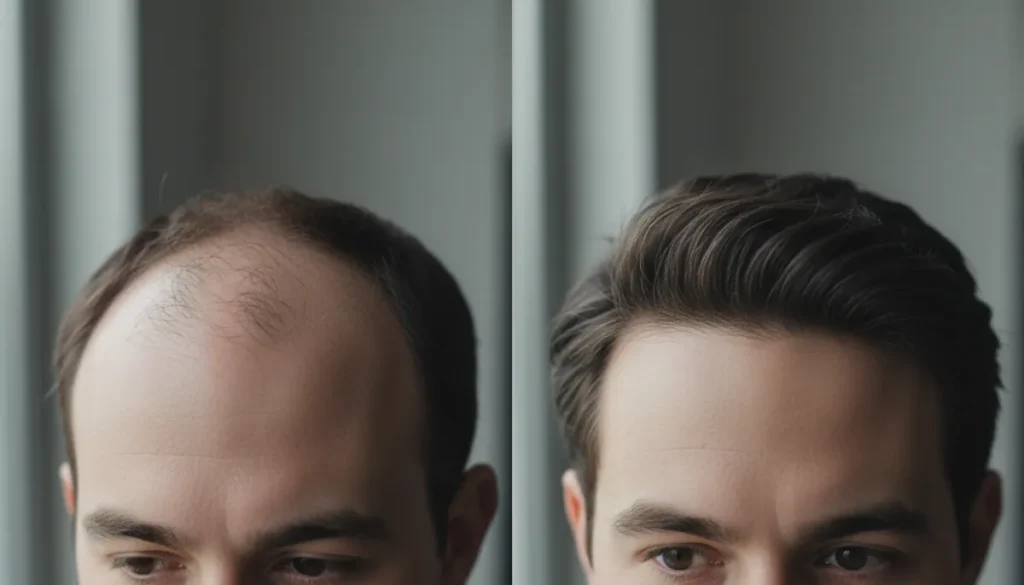
Non‑Surgical Ways to Improve Your Hairline
Many people ask how to fix hairline issues without going under the knife. Lifestyle changes, topical products, and minimally invasive procedures can produce noticeable improvements, especially when the hairline recession is mild.
Topical Treatments
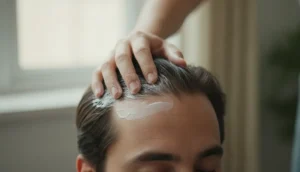
- Minoxidil – An over‑the‑counter solution that stimulates blood flow to follicles. It works best on early‑stage thinning hairline and can be used by both men and women.
- Natural oils – Rosemary, pumpkin seed, and peppermint oils have shown modest benefits in promoting hair growth when massaged into the scalp.
- Low‑level laser therapy (LLLT) – Handheld devices emit red light that may increase cellular activity in the hair follicle.
Consistency is key; most topical regimens require 3–6 months of daily use before visible results appear.
Lifestyle Adjustments
| Adjustment | Impact on Hairline |
|---|---|
| Balanced diet rich in protein, iron, and omega‑3 fatty acids | Provides essential nutrients for follicle health |
| Regular exercise | Improves circulation and reduces stress‑related hormone spikes |
| Avoid tight hairstyles | Prevents traction alopecia and further recession |
| Limit heat styling | Reduces follicle damage from high temperatures |
These non‑surgical steps can slow the progression of a receding hairline and, for some, partially restore density. While they may not completely reverse advanced hair loss, they are valuable components of a comprehensive plan to how to fix hairline concerns.
When Medical Treatments Are Needed
For many, the question of how to fix hairline problems leads to prescription‑level options. When over‑the‑counter products fall short, clinicians may recommend proven medical therapies that target the hormonal drivers of hair loss.
Finasterid – An oral medication that reduces DHT production. It is FDA‑approved for male pattern baldness and can stabilize or even improve a receding hairline in 70 % of users after one year. Women of child‑bearing age should avoid finasteride due to potential risks.
Platelet‑Rich Plasma (PRP) – A minimally invasive procedure where a patient’s own blood is processed to concentrate platelets, then injected into the scalp. Growth factors in PRP promote follicle regeneration and have shown promising results for both men and women with early‑stage recession.
Combination Therapy – Using minoxidil alongside finasteride or PRP often yields better outcomes than any single treatment. A tailored regimen, monitored by a hair restoration specialist, can address multiple pathways of hair loss.
It’s important to discuss potential side effects, such as sexual dysfunction with finasteride or temporary scalp tenderness after PRP. Regular follow‑up appointments allow adjustments to dosage and timing, ensuring the most effective approach to how to fix hairline concerns.
Surgical Options: Hair Transplant Techniques
If you’re searching for a definitive answer to how to fix hairline issues permanently, surgical hair restoration offers the most reliable results. Modern techniques performed at Gold City Hair provide natural‑looking density with minimal downtime.
Foliküler Ünite Ekstraksiyonu (FUE) – Individual follicular units are harvested from the donor area (usually the back of the head) and transplanted to the frontal zone. This method leaves tiny dot‑like scars that are virtually invisible.
Direct Hair Implantation (DHI) – An advanced variation of FUE that uses a patented implanter pen to place grafts directly into the recipient site without creating pre‑made channels. DHI allows for higher precision, especially when recreating a hairline with fine, angled hairs.
Key considerations when choosing a surgical route:
- Donor hair quality – Dense, healthy hair at the back provides the best source.
- Graft design – Skilled surgeons map each graft to mimic natural hair growth patterns.
- Recovery time – Most patients return to light activities within 3–5 days.
Success rates for FUE and DHI exceed 90 % when performed by experienced teams. The result is a permanent, natural‑looking hairline that can be styled just like your original hair.
Maintaining Results and Long‑Term Hairline Care
Achieving a restored hairline is only part of the journey; maintaining it requires ongoing care. Whether you’ve used topical solutions, medication, or undergone a transplant, consistent habits help preserve density for years.
Post‑Procedure Care
- Follow surgeon‑provided instructions on washing, sleeping positions, and activity restrictions for the first two weeks.
- Use gentle, sulfate‑free shampoos to avoid irritating the scalp.
- Apply prescribed topical treatments as directed to support graft survival.
Long‑Term Maintenance
| Maintenance Strategy | Frequency | Benefit |
|---|---|---|
| Minoxidil application | Twice daily | Continues follicle stimulation |
| Finasteride intake | Once daily | Keeps DHT levels low |
| Scalp massage | 5 minutes, 3× per week | Improves blood flow |
| Regular check‑ups | Every 6–12 months | Monitors progress and adjusts treatment |
Nutrition remains a cornerstone: incorporate lean proteins, leafy greens, and omega‑3 rich foods like salmon. Avoid smoking, as nicotine constricts blood vessels and can jeopardize graft health.
By integrating these practices, you safeguard the investment you made to how to fix hairline concerns and enjoy a confident, youthful appearance for the long term.
Why Choose Gold City Hair for Hairline Restoration
Gold City Hair combines years of expertise with the latest FUE and DHI technologies to deliver personalized hairline solutions. Since 2017, our clinic in Turkey has helped thousands regain confidence through transparent communication and meticulous planning. Our team of certified surgeons tailors each treatment to the individual’s anatomy, ensuring natural‑looking results that blend seamlessly with existing hair. With a focus on patient comfort, safety, and lasting outcomes, Gold City Hair is a trusted partner for anyone seeking to restore their hairline.
Ready to transform your hairline and boost your confidence? Contact Gold City Hair today to schedule a personalized consultation and discover the best solution for your needs.
Take the first step toward a fuller, natural‑looking hairline – your new look awaits.
SSS
What are the main causes of a receding hairline?
The most common cause is androgenetic alopecia driven by DHT, but genetics, stress, nutrition, and harsh hair care also contribute.
Can topical treatments like minoxidil really restore a receding hairline?
Minoxidil can stimulate early‑stage hairline growth, but results typically appear after 3–6 months of consistent use.
When should I consider prescription medication like finasteride?
Finasteride is recommended when over‑the‑counter products are insufficient and the hairline recession is moderate to advanced, especially in men.
What is PRP therapy and how does it help a receding hairline?
PRP uses a patient’s own platelet‑rich plasma to deliver growth factors that can rejuvenate hair follicles and promote early‑stage regrowth.
What are the differences between FUE and DHI hair transplant techniques?
Both are follicular unit extraction methods, but DHI uses a pen‑like implanter for direct placement, offering higher precision and less handling of grafts.
How can I maintain my hairline after a transplant?
Follow post‑procedure care, continue prescribed topical or oral treatments, maintain a healthy diet, and schedule regular check‑ups.