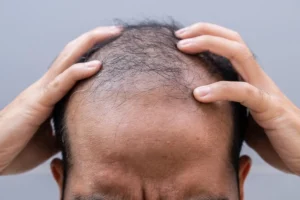
The question how long does hair transplant take to heal is on the minds of many considering restoration procedures. Understanding the healing process helps set realistic expectations and ensures you can plan your post‑procedure life with confidence. In this article we break down each phase of recovery, from the immediate post‑operative days to the final results that appear months later.
Hair restoration is a personal journey, and the timeline can vary based on technique, individual health, and after‑care practices. Whether you are exploring follicular unit extraction (FUE), DHI, or traditional strip methods, knowing what to expect can reduce anxiety and improve outcomes.
We’ll explore the typical healing milestones, the factors that can accelerate or delay recovery, and practical tips you can follow to support optimal results. Let’s begin the roadmap to a successful hair transplant experience.
Typical Healing Timeline After a Hair Transplant
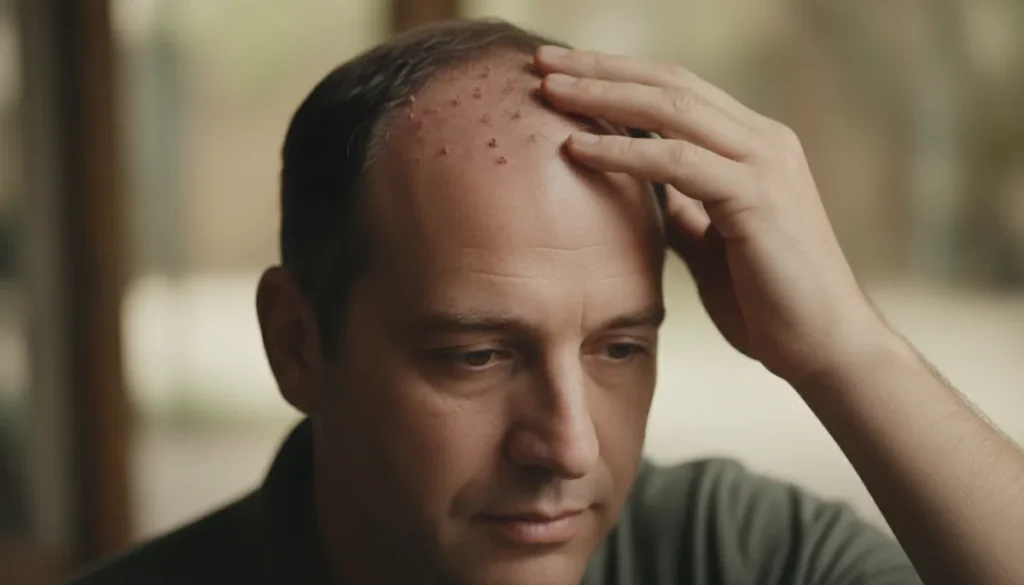
Most patients follow a predictable pattern of recovery that can be divided into distinct stages. Below is a concise overview of what typically occurs during each week after the procedure.
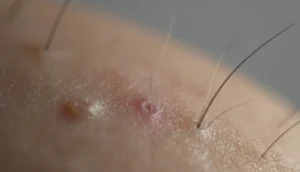
- Day 0‑2: Immediate post‑operative period. The scalp may appear red, slightly swollen, and covered with tiny scabs around graft sites.
- Day 3‑7: Scabs begin to fall off naturally. Any crusting should not be forced; gentle washing with a mild shampoo is recommended.
- Week 2‑3: Shedding of transplanted hairs (known as “shock loss”) is common and signals the start of the growth cycle.
- Month 1‑2: New hair follicles enter the anagen (growth) phase; fine, soft hairs become visible.
- Month 3‑6: Hair thickens and gains density. Most patients notice a significant improvement in coverage.
- Month 9‑12: Final results become apparent as the hair reaches its full length and natural appearance.
While the exact timing can differ, the majority of patients answer the primary question—how long does hair transplant take to heal—by reaching a stable, natural look within 9‑12 months. The early weeks are crucial for graft survival, making proper care essential.
Factors That Influence Recovery Speed
Several variables determine how quickly you will heal after a hair transplant. Understanding these can help you and your surgeon tailor the procedure and after‑care plan.
| Factor | Impact on Healing |
|---|---|
| Age | Younger patients often experience faster cellular regeneration, reducing overall recovery time. |
| Smoking | Nicotine constricts blood vessels, impairing graft nourishment and extending the healing period. |
| Medical Conditions | Diabetes, autoimmune disorders, or hormonal imbalances can delay tissue repair. |
| Technique Used | Methods like FUE or DHI typically result in smaller incisions and quicker healing compared with strip harvesting. |
| Post‑Operative Care | Adhering to prescribed medication, gentle washing, and avoiding trauma accelerates graft survival. |
Choosing a clinic that conducts a thorough pre‑operative screening and customizes the plan based on these factors can significantly shorten the period you wonder how long does hair transplant take to heal. For instance, patients who quit smoking two weeks before surgery often see a 20‑30% faster reduction in inflammation.
What to Expect During the First Two Weeks
The initial fortnight sets the foundation for successful graft integration. Below is a day‑by‑day snapshot of typical experiences.
- Days 1‑3: You may notice mild soreness and a tight feeling. Prescription pain relievers and anti‑inflammatory medication are usually provided.
- Days 4‑7: Scabbing begins to resolve. Your surgeon will advise a gentle shampoo routine—usually twice daily with lukewarm water.
- Days 8‑10: Redness diminishes, and you can resume light activities. Avoid strenuous exercise that raises blood pressure.
- Days 11‑14: Most patients report feeling back to normal. It is safe to resume normal hair styling, but avoid direct heat on the grafted area.
During this window, it is normal to see some crusts and minor oozing. These are part of the natural healing cascade and usually resolve without intervention. If you experience excessive swelling, severe pain, or signs of infection (e.g., pus, fever), contact your clinic promptly.
By the end of the second week, many ask again, how long does hair transplant take to heal, and the answer is that the most critical graft‑survival phase is essentially complete, allowing you to focus on long‑term growth.
Long‑Term Healing and Final Results
While the first weeks are about graft survival, true transformation unfolds over months. Understanding the long‑term healing process helps you stay patient and motivated.
- Month 3‑4: Fine, “peach‑fuzz” hairs become more noticeable. Some patients may experience a second wave of shedding as new follicles mature.
- Month 5‑7: Hair density improves markedly. The texture becomes comparable to existing hair, and styling becomes easier.
- Month 8‑10: Most of the visible results are established. Minor irregularities can be corrected with a follow‑up session if needed.
- Month 12+: The hair reaches its final length and thickness. Long‑term stability is typically confirmed at this stage.
It is essential to remember that each individual’s growth cycle is unique. Some patients may notice full coverage as early as eight months, while others reach their peak at twelve months. The overarching answer to how long does hair transplant take to heal is that the visible, lasting outcome is usually evident within a year, though subtle improvements can continue for up to 18 months.
Post‑Operative Care Tips for Faster Recovery
Adhering to a disciplined after‑care routine can shave weeks off the healing timeline and improve graft survival. Consider the following evidence‑based recommendations.
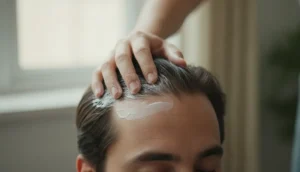
- Gentle Cleansing: Use a mild, sulfate‑free shampoo. Avoid vigorous rubbing; pat the scalp dry with a soft towel.
- Medication Compliance: Take all prescribed antibiotics and anti‑inflammatories exactly as directed to prevent infection and reduce swelling.
- Nutrition: A diet rich in proteins, vitamins A, C, D, and zinc supports tissue repair. Supplements like biotin can be beneficial.
- Avoid Sun Exposure: UV rays can irritate the healing scalp. Wear a loose‑fitting hat when outdoors for the first month.
- No Smoking or Alcohol: Both can impair blood flow and delay healing. Abstain for at least two weeks post‑procedure.
- Sleep Position: Elevate your head with an extra pillow for the first few nights to reduce swelling.
Implementing these steps not only answers the lingering question of how long does hair transplant take to heal but also maximizes the aesthetic outcome you desire.
Why Choose Gold City Hair
At Gold City Saç, we combine cutting‑edge FUE ve DHI techniques with personalized after‑care protocols to ensure a smooth recovery. Since 2017, our experienced medical team in Turkey has helped thousands achieve natural‑looking results, emphasizing transparent communication and patient‑centered care. Trust us to guide you through every stage of the healing journey.
Ready to start your transformation? Contact Gold City Hair today to schedule a free consultation and discover a tailored plan that respects your healing timeline. Take the first step toward renewed confidence now.
SSS
How long does it take for a hair transplant to heal?
Most patients achieve a stable, natural look within 9‑12 months, though subtle improvements can continue up to 18 months.
What are the stages of hair transplant recovery?
Recovery is divided into immediate post‑op (days 0‑2), scab shedding (days 3‑7), shock loss (weeks 2‑3), early growth (months 1‑2), thickening (months 3‑6), and final results (months 9‑12).
Which factors influence the speed of hair transplant healing?
Age, smoking status, medical conditions, the technique used (FUE/DHI vs. strip), and adherence to post‑operative care all affect recovery speed.
What should I expect during the first two weeks after a hair transplant?
Expect mild soreness, scabbing that falls off, reduced redness, and the ability to resume light activities by the end of week two.
How can I speed up my hair transplant recovery?
Follow a disciplined after‑care routine: gentle cleansing, medication compliance, proper nutrition, avoid smoking/alcohol, protect from sun, and elevate your head while sleeping.
When will I see the final results after a hair transplant?
Final, full‑length results are usually evident by 12 months, though some patients notice near‑final coverage as early as eight months.