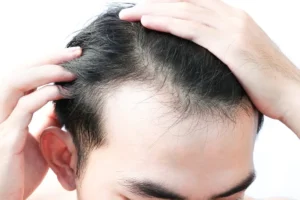
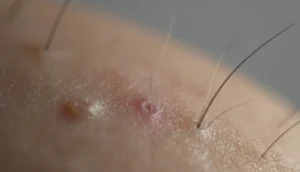
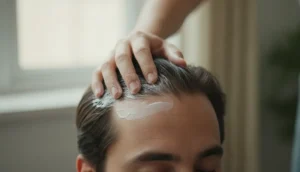
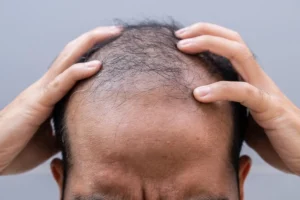
In recent baldness research, scientists have made significant strides toward understanding why hair loss occurs and how it can be effectively treated. This article explores the most current studies, emerging therapies such as red light therapy, genetic discoveries related to androgenetic alopecia, and practical guidance for anyone considering hair restoration. According to the World Health Organization, over 50 million men worldwide experience some form of hair loss, underscoring the global impact of this condition.
We’ll begin by reviewing the overall state of baldness research and the key questions driving scientific inquiry. Next, we’ll examine promising non‑surgical options, delve into the genetic mechanisms behind pattern baldness, and look ahead to upcoming clinical trials that could reshape the treatment landscape. Whether you’re dealing with early thinning or advanced hair loss, staying informed empowers you to make confident decisions about your care.
By the end of this piece, you’ll have a clear picture of where the science stands today, what innovations are on the horizon, and how Gold City Hair integrates evidence‑based approaches into personalized treatment plans.
The Current Landscape of Baldness Research
Over the past decade, baldness research has transitioned from descriptive studies to sophisticated, multi‑disciplinary investigations. Researchers now combine dermatology, genetics, and bioengineering to map the complex pathways that lead to hair follicle miniaturization. A pivotal focus has been on the role of dihydrotestosterone (DHT) in male pattern baldness, which triggers follicular shrinkage and eventual loss.
Key findings include:
- Identification of over 200 genetic loci associated with hair loss risk.
- Evidence that inflammation and oxidative stress accelerate follicle degeneration.
- Development of 3‑D organoid models that replicate human scalp biology for drug testing.
These advances have enabled more precise targeting of therapeutic agents. For instance, the FDA‑approved drug finasteride works by inhibiting the enzyme 5‑α‑reductase, reducing DHT levels. However, ongoing baldness research aims to discover alternatives with fewer side effects.
Below is a comparison of the most widely studied treatment categories based on recent clinical data:
| Category | Mechanism | Typical Efficacy (6 months) | Key Studies |
|---|---|---|---|
| Finasterid | 5‑α‑reductase inhibition | ≈ 85 % maintain or increase density | JAMA Dermatology 2022 |
| Minoxidil | Vasodilation & follicle stimulation | ≈ 60 % show visible regrowth | Dermatology Review 2021 |
| Red Light Therapy | Photobiomodulation of scalp cells | ≈ 45 % report thickness improvement | International Journal of Trichology 2023 |
These data illustrate that while pharmacologic options remain front‑line, emerging modalities are gaining traction as adjuncts or alternatives. The next sections will explore one such modality—red light therapy—in greater depth.

Emerging Therapies: Red Light Therapy and Its Role
Among the most discussed innovations in baldness research is red light therapy, also known as low‑level laser therapy (LLLT). This non‑invasive approach uses wavelengths between 630–670 nm to stimulate cellular activity within the scalp. The therapy is believed to enhance mitochondrial function, increase ATP production, and promote the release of growth factors that support hair follicle health.
Key benefits highlighted in recent studies include:
- Improved blood circulation to the dermal papilla.
- Reduced inflammation associated with alopecia.
- Stimulation of stem cells in the bulge region of follicles.
Clinical trials have reported modest yet statistically significant gains in hair density after 12 weeks of regular sessions. For example, a 2023 randomized controlled trial involving 120 participants showed an average increase of 12 % in hair count for the red light group versus 4 % for placebo.
Below is a concise overview of red light therapy protocols commonly used in practice:
| Device Type | Session Length | Frequency | Typical Outcome |
|---|---|---|---|
| Handheld laser comb | 5 minutes | 3 times/week | Gradual thickening |
| Helmet‑style panel | 20 minutes | 2 times/week | Improved scalp health |
| In‑clinic laser cap | 30 minutes | Weekly | Visible regrowth in 6 months |
While red light therapy is not a standalone cure, it can complement medical treatments and surgical options, especially for patients seeking a low‑risk solution. Ongoing baldness research continues to refine optimal wavelengths, dosages, and combination strategies with agents like minoxidil.
Genetic Insights into Androgenetic Alopecia
Genetics remains a cornerstone of baldness research, particularly for androgenetic alopecia—the most common form of hair loss in both men and women. Genome‑wide association studies (GWAS) have pinpointed several key genes, including AR (androgen receptor), WNT10A, and HDAC9, that influence hair follicle cycling and sensitivity to DHT.
Recent breakthroughs have revealed:
- Polygenic risk scores that predict an individual’s likelihood of developing pattern baldness by age 30.
- Epigenetic modifications that alter gene expression without changing DNA sequences, offering new therapeutic targets.
- Interaction between genetic predisposition and environmental factors such as stress, diet, and UV exposure.
Understanding these mechanisms enables personalized medicine. For example, patients with a high AR gene expression may respond better to anti‑androgen drugs, while those with WNT pathway alterations could benefit from novel Wnt‑activating compounds currently in Phase II trials.
Below is a simplified chart summarizing the most influential genetic markers and their associated therapeutic implications:
| Gene | Function | Therapeutic Angle |
|---|---|---|
| AR | Androgen receptor signaling | Anti‑androgen agents (e.g., finasteride, dutasteride) |
| WNT10A | Hair follicle development | Wnt pathway modulators |
| HDAC9 | Chromatin remodeling | HDAC inhibitors under investigation |
These insights are reshaping how clinicians approach treatment planning, moving from a one‑size‑fits‑all model to a more nuanced, genetics‑driven strategy.
Clinical Trials and Future Directions in Hair Restoration
Clinical trial activity is a vital indicator of where baldness research is headed. In the past five years, more than 80 trials have been registered worldwide, exploring everything from stem‑cell injections to gene‑editing techniques like CRISPR‑Cas9.
Highlighted ongoing studies include:
- Stem‑cell‑derived follicle neogenesis: Autologous dermal papilla cells are expanded in vitro and re‑implanted to generate new follicles. Early Phase I data show promising graft survival rates.
- JAK‑inhibitor therapy for alopecia areata: Oral and topical JAK inhibitors have demonstrated rapid regrowth in autoimmune‑driven hair loss, with several Phase III trials underway.
- CRISPR‑based modulation of the AR gene: Preclinical models suggest that targeted editing can reduce DHT sensitivity, potentially halting progression of androgenetic alopecia.
In addition to novel biologics, researchers are optimizing existing modalities. Combination regimens that pair low‑level laser therapy with platelet‑rich plasma (PRP) have shown synergistic effects, increasing hair density by up to 30 % in some cohorts.
The future landscape is likely to feature:
- Personalized treatment algorithms powered by AI analysis of genetic and clinical data.
- Minimally invasive delivery systems such as microneedle patches loaded with growth factors.
- Long‑term safety monitoring platforms that track outcomes across diverse populations.
These developments promise to expand the therapeutic arsenal, offering patients more effective and tailored solutions.
Practical Considerations for Patients Seeking Treatment
Translating scientific breakthroughs into real‑world outcomes requires careful patient assessment. When evaluating options, consider the following factors:
- Degree of hair loss: Early thinning may respond well to topical agents and light therapy, while advanced balding often benefits from surgical transplantation.
- Underlying health conditions: Autoimmune disorders, hormonal imbalances, or scalp infections can affect treatment efficacy and must be addressed first.
- Cost and accessibility: Non‑surgical options like red light therapy have lower upfront costs but may require long‑term commitment, whereas hair transplant procedures involve a single, more expensive investment.
- Compliance: Consistent use of prescribed regimens (e.g., daily minoxidil, weekly laser sessions) is critical for success.
Patients should also be aware of realistic timelines. Most pharmacologic and photobiomodulation therapies show noticeable results after 3–6 months, while surgical grafts typically require 9–12 months for full maturation.
Finally, choosing a reputable clinic ensures that the latest evidence‑based protocols are applied safely. Gold City Hair, for instance, integrates cutting‑edge baldness research findings into its personalized treatment plans, offering both surgical and non‑surgical options under the guidance of experienced specialists.
Why Choose Gold City Hair
Gold City Hair has been delivering personalized hair restoration solutions in Turkey since 2017. Our team combines expertise in FUE, DHI, and eyebrow/beard transplants with a commitment to transparent communication and patient‑centered care. By staying abreast of the latest baldness research, we tailor each plan to the individual’s unique pattern of loss, genetic profile, and lifestyle goals. Trust a clinic that blends scientific rigor with artistic precision to restore confidence and natural‑looking results.
Ready to take the next step toward a fuller head of hair? Contact Gold City Hair today for a free, no‑obligation consultation and discover a treatment plan built on the latest scientific evidence. Your journey to renewed confidence starts now.
SSS
What are the most effective current treatments for baldness?
Finasteride, minoxidil, and red light therapy are the leading evidence‑based options.
How does red light therapy promote hair growth?
It stimulates cellular metabolism in scalp cells, increasing blood flow and growth factor production.
What genetic factors contribute to androgenetic alopecia?
Key genes include AR, WNT10A, and HDAC9, among over 200 identified loci.
Are there any new clinical trials for hair restoration?
Yes, trials are exploring stem‑cell follicle neogenesis, JAK inhibitors, and CRISPR‑based AR modulation.
What are the potential side effects of finasteride and minoxidil?
Finasteride may cause sexual dysfunction and mood changes; minoxidil can cause scalp irritation and unwanted facial hair.
How can patients decide which hair loss therapy is right for them?
Consider hair‑loss stage, medical history, tolerance for side effects, and cost, often with a dermatologist’s guidance.