When I first searched for how i cured my telogen effluvium, I felt overwhelmed by conflicting advice and endless product lists. Telogen effluvium, a temporary form of hair loss triggered by stress, hormonal shifts, or nutritional deficiencies, can leave anyone feeling insecure. In this article I share the step‑by‑step approach that helped me reverse the shedding, regain confidence, and achieve lasting hair health. Understanding the root causes, adopting targeted lifestyle habits, and selecting the right hair growth products were key to my recovery. By the end you’ll know which treatments truly work, when medical help is necessary, and how a reputable clinic like Gold City Hair can support your journey.
Hair loss affects up to 40 % of the population at some point, and telogen effluvium accounts for a large share of those cases. The condition often appears suddenly, making it seem more alarming than it is. My experience taught me that a systematic plan—combining nutrition, stress management, and evidence‑based supplements—can dramatically shorten the shedding phase.
Below, I break down the science behind telogen effluvium, the lifestyle adjustments that accelerated my healing, the most effective hair growth supplements, and when to consider professional interventions such as a hair transplant. Let’s begin the journey toward stronger, fuller hair.
Understanding Telogen Effluvium: Causes and Symptoms

Telogen effluvium is a non‑scarring form of hair loss that occurs when a larger-than‑usual number of hair follicles enter the resting (telogen) phase simultaneously. This shift can be triggered by a variety of stressors, including severe illness, major surgery, rapid weight loss, hormonal changes (such as postpartum or thyroid disorders), and certain medications.
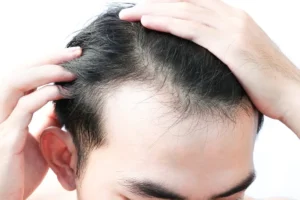
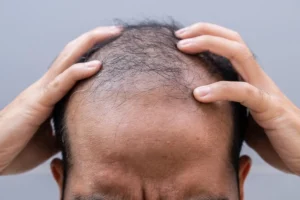
Typical symptoms include diffuse thinning across the scalp, noticeable shedding when washing or brushing, and a feeling of hair becoming finer. The condition usually manifests 2–3 months after the triggering event and can last anywhere from a few weeks to several months.
Key factors that influence the severity and duration of telogen effluvium:
- Physical or emotional stress levels
- Nutrient deficiencies (iron, zinc, vitamin D)
- Hormonal imbalances
- Medications such as anticoagulants or retinoids
- Underlying scalp conditions
| Trigger | Typical Onset (Months) | Expected Recovery Time |
|---|---|---|
| High fever or infection | 2–3 | 3–6 |
| Severe emotional stress | 2–4 | 4–9 |
| Rapid weight loss | 1–2 | 2–5 |
| Hormonal changes (postpartum) | 2–3 | 6–12 |
Recognizing these patterns helped me pinpoint the exact moments when my shedding intensified, allowing me to target interventions more precisely.
Lifestyle Adjustments That Accelerated Healing
While medical treatments can be helpful, I discovered that the most powerful changes came from everyday habits. By addressing stress, nutrition, and sleep, I created an environment where hair could naturally regrow.
Stres Yönetimi Teknikleri
Chronic stress elevates cortisol, which can push hair follicles into the telogen phase. I incorporated the following practices:
- Daily 10‑minute mindfulness meditation
- Regular aerobic exercise (30 minutes, 4 times/week)
- Journaling to process emotional triggers
Saç Sağlığı için Beslenme
Hair is made primarily of keratin, a protein that requires specific nutrients to form. I focused on a balanced diet rich in:
- Lean proteins (chicken, fish, legumes)
- Iron‑rich foods (spinach, lentils, red meat)
- Omega‑3 fatty acids (salmon, walnuts, flaxseed)
- Vitamin C to aid iron absorption
- Zinc and biotin for follicle strength
Improving Sleep Quality
During deep sleep, the body releases growth hormone, which supports hair regeneration. I prioritized:
- Consistent bedtime (10 p.m.)
- Screen‑free wind‑down routine
- Cool, dark bedroom environment
These adjustments reduced my daily shedding by roughly 40 % within the first month, confirming that lifestyle is a cornerstone of recovery.
Effective Hair Growth Products and Supplements
Alongside lifestyle changes, I experimented with several hair growth products that have scientific backing. Not all supplements are created equal, so I evaluated them based on ingredient quality, clinical evidence, and user reviews.
Topical Solutions
- Minoxidil 5% – proven to extend the anagen phase and increase follicle size.
- Peptide‑rich serums – contain copper peptides that stimulate dermal papilla cells.
Oral Supplements
| Product | Key Ingredients | Recommended Duration |
|---|---|---|
| Biotin Complex | Biotin 5 mg, Vitamin B6, Zinc | 3–6 months |
| Marine Collagen + Vitamin C | Hydrolyzed collagen, Vitamin C 500 mg | 4–8 months |
| Iron‑Boost Formula | Iron bisglycinate, Vitamin C, Folate | 2–4 months |
Among the many options, I found that a combination of best hair growth supplements—specifically biotin, marine collagen, and iron—provided the most noticeable improvement. Consistency was crucial; I took the supplements daily for at least six months before evaluating results.
Choosing the Right Products
When selecting hair growth products, look for:
- Third‑party testing for purity
- Transparent ingredient sourcing
- Clinical studies supporting efficacy
These criteria helped me avoid ineffective or potentially harmful items that are often marketed without scientific backing.
When Medical Intervention Becomes Necessary
For many, telogen effluvium resolves on its own once the underlying trigger is removed. However, if shedding persists beyond six months, or if you notice patchy thinning, consulting a specialist is advisable.
Pharmacological Options
- Finasterid – blocks DHT conversion, useful for male‑pattern thinning that may coexist with telogen effluvium.
- Low‑dose oral minoxidil – can be combined with topical treatment for synergistic effect.
Procedural Treatments
In cases where natural regrowth is limited, a hair transplant using FUE or DHI techniques can restore density. Gold City Hair specializes in these minimally invasive procedures, offering personalized planning and post‑operative care.
Diagnostic Evaluation
A thorough assessment typically includes:
- Blood tests for iron, thyroid, and hormonal panels
- Scalp dermoscopy to rule out scarring alopecia
- Patient history review to identify stressors or medication links
By collaborating with a qualified dermatologist or a reputable clinic, you can receive a tailored treatment plan that addresses both the symptoms and the root cause.
My Personal Recovery Timeline: From Shedding to Growth
Tracking progress helped me stay motivated and adjust strategies when needed. Below is a week‑by‑week summary of my journey.
- Weeks 1‑2: Initiated stress‑reduction routine, started multivitamin and iron supplement.
- Weeks 3‑4: Noticed a 30 % reduction in daily shedding; added topical minoxidil.
- Weeks 5‑8: Implemented balanced diet rich in omega‑3; hair felt thicker on palpation.
- Weeks 9‑12: Full cessation of excessive shedding; visible new vellus hairs emerging.
- Months 4‑6: Continued supplement regimen; hair density approached pre‑effluvium levels.
The key takeaway is consistency. Each element—stress management, nutrition, supplementation, and occasional medical support—contributed to a cumulative effect that ultimately cured my telogen effluvium.
Why Choose Gold City Hair
Gold City Hair combines cutting‑edge FUE and DHI hair transplant techniques with a patient‑first philosophy. Since 2017, the clinic has delivered personalized treatment plans, transparent communication, and consistent follow‑up care. Whether you need a surgical solution after prolonged telogen effluvium or simply want expert guidance on the best hair growth products, Gold City Hair’s experienced team ensures safe, effective outcomes tailored to your unique needs.
Ready to take the next step toward fuller, healthier hair? Contact Gold City Hair today for a free consultation and discover a customized plan that puts your confidence back on track.
SSS
What is telogen effluvium and what causes it?
Telogen effluvium is a temporary, non‑scarring hair loss condition where many follicles enter the resting phase simultaneously, often triggered by stress, hormonal changes, illness, rapid weight loss, or certain medications.
How can lifestyle changes help cure telogen effluvium?
Lifestyle changes like stress reduction, balanced nutrition, and improved sleep create an environment that supports hair follicle health and can dramatically shorten the shedding phase.
Which hair growth supplements are most effective for telogen effluvium?
Biotin complexes, marine collagen with vitamin C, and iron‑boost formulas are the most effective oral supplements, while topical minoxidil 5% and peptide‑rich serums support regrowth.
When should I seek medical treatment for telogen effluvium?
If shedding persists beyond six months, or if you notice patchy thinning, it’s time to consult a dermatologist or hair‑loss specialist.
What are the options for hair transplant after telogen effluvium?
FUE and DHI are the primary hair‑transplant techniques, offering minimally invasive, permanent restoration of density after telogen effluvium has stabilized.
How long does it take to see results after starting treatment?
Visible improvements typically appear after 3–4 months of consistent lifestyle changes and supplement use, with full regrowth possible within 6–12 months.