Bu FUT hair transplant scar is a common concern for anyone considering the strip method of hair restoration. While the procedure can deliver excellent graft numbers, the linear incision left behind often raises questions about appearance, healing time, and long‑term visibility. Understanding the nature of this scar, the factors that influence its formation, and the steps you can take to keep it discreet will help you make an informed decision and set realistic expectations.
In Turkey, where Gold City Hair has been performing hair transplants since 2017, the FUT technique remains popular for patients needing large graft volumes. Studies show that up to 60 % of men who undergo FUT are initially worried about the scar, yet most report satisfactory results after proper care. This article walks through the science of FUT scarring, typical healing milestones, practical scar‑reduction strategies, and when alternative methods such as FUE or DHI might be a better fit for you.
By the end of this guide you will know exactly what to expect during each phase of recovery, which products and habits support optimal scar remodeling, and how Gold City Hair’s personalized approach can help you achieve a natural‑looking outcome with minimal scar concerns.
Understanding FUT Scarring: How the Strip Method Works
The FUT (Follicular Unit Transplantation) technique involves removing a thin strip of scalp from the donor area—usually at the back of the head—followed by meticulous dissection of individual grafts. After the strip is excised, the wound is closed with sutures, resulting in a linear scar that follows the direction of hair growth. The width of the scar typically ranges from 5 mm to 10 mm, depending on surgeon skill, patient scalp laxity, and the length of the harvested strip.
Key factors that affect scar formation include:
- Incision length: Longer strips provide more grafts but produce a longer scar.
- Closure technique: Single‑suture, double‑suture, or trichophytic closure each influence scar visibility.
- Patient genetics: Individuals prone to hypertrophic or keloid scarring may experience thicker scars.
- Post‑operative care: Proper wound management accelerates healing and reduces inflammation.
Below is a quick comparison of the most common closure methods used in FUT procedures:
| Closure Method | Typical Scar Width | Avantajlar | Potential Drawbacks |
|---|---|---|---|
| Single‑suture | 6‑8 mm | Quick, reliable | More visible line |
| Double‑suture | 5‑7 mm | Stronger closure | Slightly longer healing |
| Trichophytic | 4‑6 mm | Hair grows through scar, camouflaging it | Requires precise technique |
Understanding these technical details helps you discuss realistic outcomes with your surgeon and choose a closure style that aligns with your aesthetic goals.
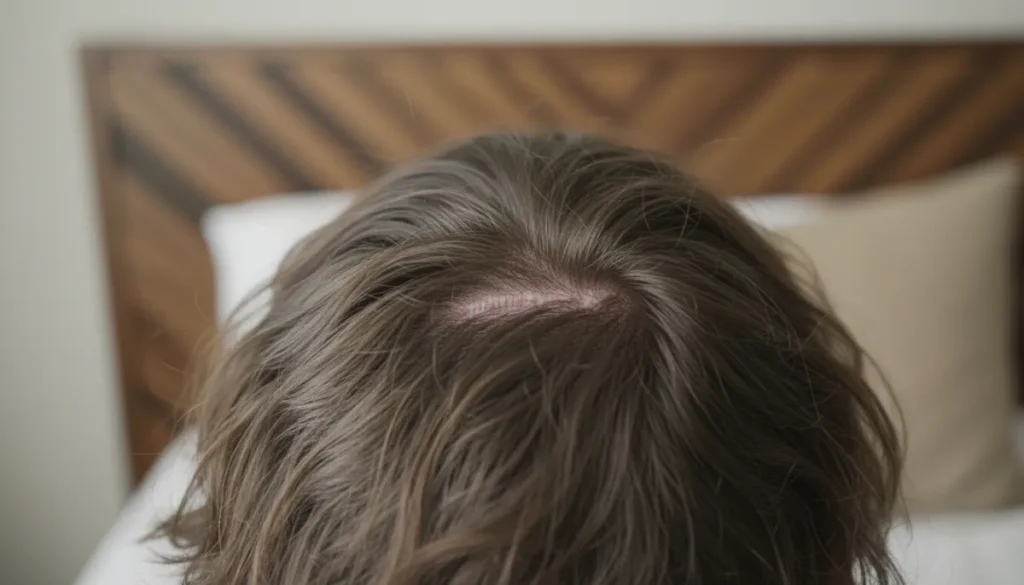
Typical Appearance of a FUT Scar and Healing Timeline
Immediately after surgery, the incision appears as a fresh, reddish line that may be covered with sterile dressings. Over the first week, the wound begins to contract, and sutures are usually removed between day 7 and day 10. By the end of the second week, the scar starts to soften, and any crusting diminishes.
From weeks 3 to 6, the scar transitions from pink to a lighter, more skin‑tone color as collagen remodels. Most patients notice a noticeable reduction in scar prominence after the third month, though complete maturation can take up to 12–18 months. The following timeline outlines typical milestones:
- Days 0‑3: Red, raw incision; possible swelling.
- Days 4‑10: Sutures in place; scar begins to close.
- Weeks 2‑4: Crusts fall off; scar softens.
- Months 2‑3: Color fades; hair may start to grow through scar if trichophytic closure was used.
- Months 6‑12: Scar matures; final appearance stabilizes.
Patients with tighter scalp skin may experience a slightly wider scar, while those with good scalp laxity often see a narrower line. It’s also important to note that scar perception is subjective—what looks prominent to one person may be barely noticeable to another.
Strategies to Minimize and Conceal the FUT Scar
While the linear scar is an inevitable result of the FUT method, several evidence‑based strategies can dramatically reduce its visibility. Below are the most effective approaches, grouped by timing (pre‑, intra‑, and post‑operative).
Pre‑operative Planning
- Scalp laxity assessment: Measuring how easily the scalp can be stretched helps the surgeon determine the optimal strip length.
- Choosing trichophytic closure: This technique allows hair to grow through the scar, creating a natural camouflage.
- Skin type evaluation: Patients prone to hypertrophic scarring may be advised to consider FUE instead.
Intra‑operative Techniques
- Minimizing tension: Gentle handling of tissues reduces inflammation.
- Precise suturing: Using fine, absorbable sutures limits scar thickness.
- Use of platelet‑rich plasma (PRP): Injected into the wound edges, PRP can promote faster healing and better scar remodeling.
Post‑operative Care
| Care Step | When to Apply | Benefit |
|---|---|---|
| Silicone gel sheets | Weeks 2‑8 | Hydrates scar, reduces redness |
| Sun protection (SPF 30+) | All phases | Prevents hyperpigmentation |
| Gentle massage | After sutures removal | Improves collagen alignment |
| Topical scar creams (e.g., onion extract) | Months 1‑6 | Softens scar tissue |
Consistent application of silicone products and diligent sun protection are the two most consistently recommended practices in the literature. Additionally, many patients find that a short course of low‑dose oral vitamin E or a topical vitamin C serum can support collagen health, though you should discuss supplements with your surgeon.
When to Consider Alternative Techniques: FUE and DHI
For patients who prioritize a scar‑free result, follicular unit extraction (FUE) and direct hair implantation (DHI) offer viable alternatives. Both methods remove individual follicular units directly from the donor area, leaving tiny punctate wounds that typically heal without noticeable scarring.
Key differences between the techniques:
- FUE: Removes grafts using a micro‑punch (0.8‑1.0 mm). Ideal for patients with limited donor laxity or those who have previously undergone FUT.
- DHI: Similar to FUE but utilizes a Choi implanter pen, allowing for precise depth control and potentially higher graft survival.
- Session length: FUT can harvest a larger number of grafts in a single session, while FUE/DHI may require multiple sessions for extensive coverage.
- Cost: FUE and DHI are generally more expensive per graft due to the labor‑intensive nature of the extraction.
Choosing the right method depends on your individual goals, budget, and scalp characteristics. If a linear scar would be a major aesthetic concern—especially for those who wear very short hairstyles—consulting with Gold City Hair’s specialists can help determine whether FUE or DHI aligns better with your expectations.
Post‑Procedure Care: Promoting Healthy Scar Tissue
Beyond the specific scar‑reduction measures, overall post‑operative health plays a pivotal role in how the FUT scar matures. Nutrition, sleep, and lifestyle choices can either support or hinder the body’s natural healing processes.
Nutrition for Optimal Healing
- Protein: Aim for 1.2–1.5 g per kilogram of body weight daily to supply amino acids for collagen synthesis.
- Vitamin C: Crucial for collagen cross‑linking; include citrus fruits, berries, and leafy greens.
- Zinc: Supports tissue repair; found in nuts, seeds, and lean meats.
Lifestyle Recommendations
- Stay hydrated—at least 2 L of water per day.
- Avoid smoking and excessive alcohol, both of which impair wound healing.
- Engage in light aerobic activity after the first week to improve circulation, but refrain from heavy lifting for 2‑3 weeks.
Regular follow‑up appointments with your surgeon allow for early detection of any abnormal scar formation, such as hypertrophy, and enable timely interventions like corticosteroid injections if needed.
Why Choose Gold City Hair
Gold City Hair combines years of expertise with a patient‑first philosophy. Since 2017, our clinic in Turkey has performed thousands of hair restoration procedures, including FUT, FUE, and DHI, using state‑of‑the‑art facilities and a transparent communication approach. Our surgeons tailor the closure technique to your scalp’s unique characteristics, ensuring the narrowest possible scar while maintaining graft quality. With a commitment to personalized care, we guide you through every stage—from pre‑operative assessment to post‑operative scar management—so you can achieve natural‑looking results with confidence.
Ready to learn how we can minimize your FUT hair transplant scar? Contact Gold City Hair today for a free, no‑obligation consultation and take the first step toward a fuller, scar‑conscious appearance.
SSS
What does a FUT hair transplant scar look like?
It appears as a linear, reddish line that gradually fades to a thin, skin‑tone scar over several months.
How can I reduce the visibility of a FUT scar?
Use silicone gel sheets, protect the area from sun, massage gently after sutures, and consider trichophytic closure.
What is trichophytic closure and why is it beneficial?
It’s a suturing technique that lets hair grow through the scar, making it less noticeable.
When should I consider FUE or DHI instead of FUT?
If a linear scar would be unacceptable for your aesthetic goals, especially with short hair, consider FUE or DHI.
What post‑operative nutrition supports scar healing?
Adequate protein, vitamin C, and zinc are key nutrients for collagen synthesis and tissue repair.
How long does it take for a FUT scar to fully mature?
Complete maturation typically occurs between 12 and 18 months after surgery.