Understanding how to tell if you have alopecia can prevent unnecessary anxiety and guide you toward timely treatment. Alopecia, a condition that causes hair loss, affects millions worldwide, yet many people mistake its early signs for normal shedding or stress‑related thinning. This article walks you through the most common visual cues, differentiates alopecia from typical hair thinning, and outlines the steps you should take when you suspect a problem. By the end, you’ll be equipped with clear criteria to identify the condition early and know the best pathways for professional evaluation.
Statistics show that up to 40 % of the population will experience some form of hair loss by the age of 35, and a significant portion of those cases are due to alopecia. Early detection not only improves the success of treatments like FUE or DHI transplants but also helps preserve self‑confidence during the crucial stages of hair restoration. Whether you notice a bald spot, a receding hairline, or sudden patches of shedding, recognizing the pattern is the first step toward effective care.
In the sections that follow, we’ll explore the hallmark signs of different alopecia types, how to separate them from ordinary hair thinning, when professional help is essential, the diagnostic tools clinicians use, and practical lifestyle tips that support healthy hair growth.
Common Signs of Different Types of Alopecia
Identifying alopecia begins with observing the pattern, location, and speed of hair loss. While each type presents uniquely, several hallmark signs recur across the spectrum.
- Round or oval bald patches, often smooth‑skinned, typical of alopecia areata.
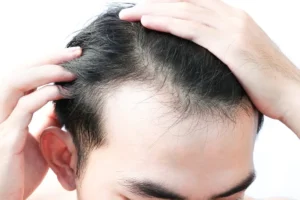
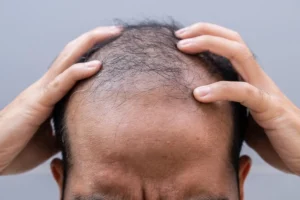
- Gradual thinning at the crown and temples, characteristic of androgenetic alopecia (male or female pattern baldness).
- Hair loss along the hairline or where hair is frequently pulled, indicating traksiyon alopesi.
- Scarring and permanent loss of follicles, seen in scarring alopecia (cicatricial alopecia).
- Sudden, extensive shedding across the scalp, sometimes linked to stress or hormonal shifts.
Below is a quick comparison of the most common alopecia forms:
| Type | Typical Pattern | Age of Onset | Potential for Regrowth |
|---|---|---|---|
| Alopesi Areata | Round patches | Any age | Variable; often regrows |
| Androgenetik Alopesi | Receding hairline, crown thinning | Teens‑30s | Limited without treatment |
| Traction Alopecia | Fringe or temporal loss | Young adults | Reversible if stopped early |
| Scarring Alopecia | Irregular, scarred areas | Variable | Usually permanent |
When you wonder how to tell if you have alopecia, look for these distinct patterns rather than attributing every shed hair to normal cycles. Early identification helps you decide whether a simple lifestyle change suffices or if a medical intervention is warranted.
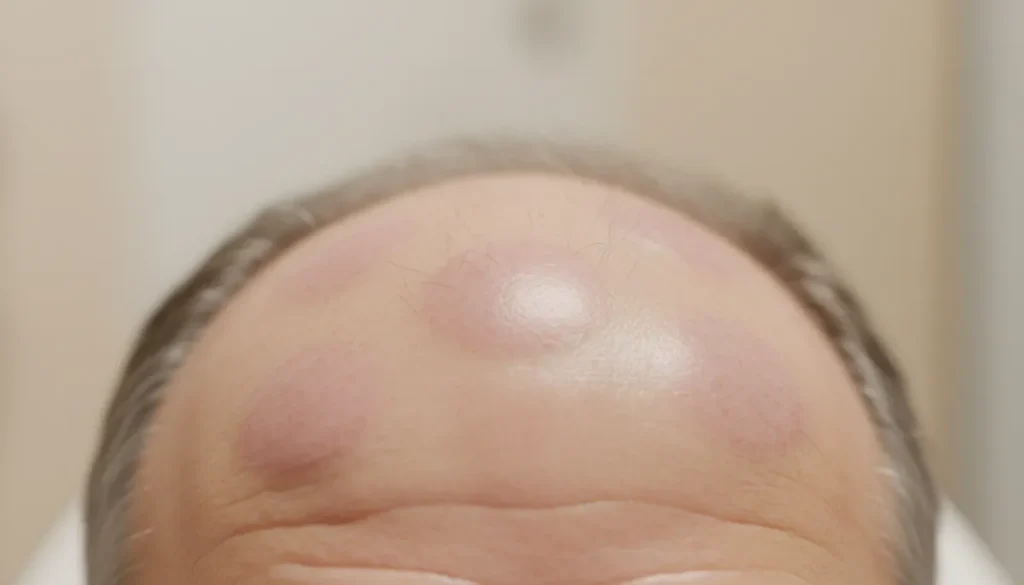
How to Differentiate Alopecia From Normal Hair Thinning
Many people mistake hair thinning for alopecia, especially when the loss appears gradual. Understanding the nuances can prevent unnecessary worry and guide you toward the right treatment plan.
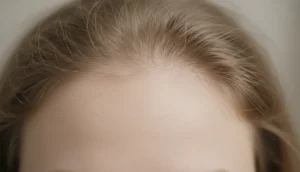
- Pattern vs. diffuse loss: Normal thinning often occurs diffusely across the scalp, while alopecia typically follows a distinct pattern (e.g., patches or receding hairline).
- Speed of change: Sudden, noticeable patches within weeks suggest alopecia; gradual thinning over months is more likely age‑related or hormonal.
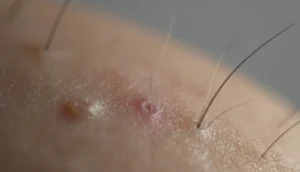
- Scalp condition: A healthy scalp without inflammation points to ordinary shedding; redness, scaling, or scarring may indicate alopecia.
- Family history: A strong family history of male or female pattern baldness leans toward androgenetic alopecia, whereas alopecia areata often appears without hereditary links.
Consider these scenarios:
| Observation | Likely Cause | Recommended Action |
|---|---|---|
| Gradual thinning at temples | Androgenetic alopecia | Consult a trichologist for early treatment |
| Sudden round bald spot | Alopecia areata | Medical evaluation for immunomodulatory therapy |
| Even shedding across whole scalp | Telogen effluvium (stress‑related) | Address underlying stress or nutritional deficits |
| Hair loss along a tight hairstyle line | Traction alopecia | Change hairstyle, reduce tension |
If you are still unsure how to tell if you have alopecia, monitoring the progression for at least four weeks and noting any accompanying scalp changes can provide valuable clues before seeking a specialist.
When to Seek Professional Evaluation
Knowing when to seek professional evaluation is crucial for preserving hair follicles and maximizing treatment outcomes. While occasional shedding is normal, certain warning signs merit immediate attention.
- Rapid appearance of a bald spot or multiple patches.
- Persistent itching, burning, or pain on the scalp.
- Visible inflammation, scaling, or crusting.
- Sudden increase in hair fall accompanied by a change in hair texture.
- Family history of early‑onset alopecia or autoimmune disorders.
Visiting a qualified dermatologist or trichologist early can provide:
- A thorough scalp examination to identify the exact type of alopecia.
- Laboratory tests to rule out underlying conditions such as thyroid imbalance or iron deficiency.
- Personalized treatment recommendations, ranging from topical therapies to advanced hair transplant options like FUE and DHI.
For anyone asking how to tell if you have alopecia and noticing any of the above signs, scheduling an appointment within a month is advisable. Early intervention often means a broader range of non‑surgical options and better long‑term results.
Diagnostic Tools and Tests for Alopecia
Accurate diagnosis relies on a combination of visual assessment and specialized tests. Below are the most common tools clinicians use to answer the question how to tell if you have alopecia with scientific precision.
- Trichoscopy: A dermatoscope that magnifies the scalp, revealing follicle density, miniaturization, and inflammation patterns.
- Scalp Biopsy: A small tissue sample examined under a microscope to differentiate scarring from non‑scarring alopecia.
- Blood Tests: Assess hormonal levels, thyroid function, iron stores, and autoimmune markers that can trigger hair loss.
- Pull Test: Gentle tug on a cluster of hairs to gauge shedding severity.
- Phototrichogram: Digital imaging to track hair growth cycles over time.
Here is a concise overview of each diagnostic method:
| Test | Purpose | Typical Findings in Alopecia |
|---|---|---|
| Trichoscopy | Visualize follicle health | Miniaturized hairs, yellow dots, exclamation marks |
| Scalp Biopsy | Distinguish scarring vs. non‑scarring | Fibrosis, inflammatory infiltrate, follicular loss |
| Blood Tests | Identify systemic causes | Abnormal thyroid, low ferritin, elevated autoantibodies |
| Pull Test | Quantify active shedding | More than 10 hairs pulled = active loss |
| Phototrichogram | Track growth rate | Reduced anagen phase, increased telogen hairs |
Armed with these diagnostic insights, clinicians can tailor a treatment plan that addresses the root cause, whether it’s an autoimmune reaction, hormonal imbalance, or mechanical trauma.
Early Management Options and Lifestyle Tips
While professional treatment is essential for many cases, several early‑stage strategies can slow progression and improve overall hair health. Understanding alopecia treatment options empowers you to act before loss becomes extensive.
- Topical Minoxidil: Proven to stimulate follicle activity in androgenetic alopecia and some alopecia areata cases.
- Oral Finasteride: Reduces DHT levels, a primary driver of male pattern baldness.
- Low‑Level Laser Therapy (LLLT): Non‑invasive light treatment that enhances cellular metabolism in hair follicles.
- Nutritional Support: Adequate protein, iron, zinc, and biotin intake supports keratin production.
- Stress Management: Practices such as meditation, regular exercise, and adequate sleep reduce telogen effluvium triggers.
For those asking how to tell if you have alopecia and noticing early signs, combining these measures with a professional assessment often yields the best outcomes. If non‑surgical methods prove insufficient, advanced hair restoration procedures like FUE (Follicular Unit Extraction) or DHI (Direct Hair Implantation) performed at a reputable clinic can restore density and confidence.
Why Choose Gold City Hair for Your Hair Restoration Needs
Gold City Hair has been delivering personalized hair restoration solutions in Turkey since 2017. Our clinic combines state‑of‑the‑art FUE and DHI techniques with a compassionate, transparent approach that puts your confidence first. With a team of experienced surgeons and a commitment to individualized care, we ensure every patient receives a treatment plan tailored to their specific type of alopecia and aesthetic goals. Trust Gold City Hair to guide you from diagnosis to lasting results.
Ready to take the next step? Contact Gold City Hair today for a personalized consultation and discover how our expert team can help you regain a full, natural‑looking head of hair.
SSS
What are the common signs of alopecia?
Alopecia often appears as round bald patches, gradual thinning at the crown, hair loss along the hairline, scarring, or sudden extensive shedding.
How can I differentiate alopecia from normal hair thinning?
Alopecia shows distinct patterns, rapid onset, scalp inflammation, or scarring, while normal thinning is diffuse, gradual, and without scalp changes.
When should I see a dermatologist or trichologist for hair loss?
Seek professional help if you notice rapid bald spots, persistent scalp pain, inflammation, or sudden increased shedding.
What diagnostic tools do clinicians use to confirm alopecia?
Doctors use trichoscopy, scalp biopsy, blood tests, pull test, and phototrichogram to diagnose alopecia.
What early‑stage treatments can help slow alopecia progression?
Topical minoxidil, oral finasteride, low‑level laser therapy, and lifestyle changes can slow early hair loss.