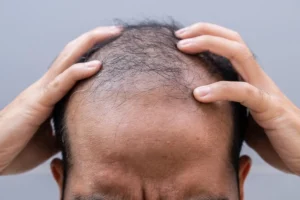
Many people experiencing Aldactone and hair loss wonder whether this potassium‑sparing diuretic can actually help restore thinning strands. In this article we explore the science behind Aldactone (spironolactone), its role in hormonal regulation, and why it has become a popular off‑label option for hair‑related concerns. Understanding the connection is essential because hair loss often signals an underlying hormonal imbalance that can be addressed with medication.
According to clinical observations, up to 30 % of women with androgenic alopecia report improvement after a few months of spironolactone therapy. This statistic underscores the importance of evaluating medical treatments alongside surgical options like FUE or DHI. We will walk through how Aldactone works, its potential benefits and side effects, who might be a good candidate, and how it fits into a broader hair‑restoration plan.
By the end of this guide, you will have a clear picture of whether Aldactone is appropriate for your situation, what to expect during treatment, and how to combine it safely with other hair‑loss solutions.
How Aldactone Works to Influence Hair Growth
Aldactone (generic name spironolactone) is primarily known as a potassium‑sparing diuretic, but its anti‑androgen properties make it valuable for hair health. The drug blocks androgen receptors and reduces the conversion of testosterone to dihydrotestosterone (DHT), the hormone most directly linked to follicular miniaturization.
Mechanism of Action
- Androgen Receptor Antagonism: Spironolactone competes with DHT for binding sites on hair‑follicle cells, decreasing the hormone’s damaging effect.
- Inhibition of 5‑α‑Reductase: By limiting the enzyme that converts testosterone to DHT, overall androgen levels in the scalp drop.
- Hormonal Balance: The medication promotes a more favorable estrogen‑to‑androgen ratio, which can extend the anagen (growth) phase of hair.
These actions collectively create a scalp environment that is less hostile to hair follicles, allowing existing hairs to thicken and new follicles to emerge.
Impact on Different Types of Hair Loss
While Aldactone is most effective for androgen‑related shedding, it may also benefit patients with hormonal acne‑related scalp inflammation or those with polycystic ovary syndrome (PCOS)‑related hair thinning. However, it is less likely to help in cases of scarring alopecia or genetic hair loss unrelated to hormones.
| Hair‑Loss Condition | Typical Response to Aldactone | Notes |
|---|---|---|
| Female‑Pattern Alopecia | Moderate improvement in density | Best when combined with topical minoxidil |
| PCOS‑Related Thinning | Significant reduction in shedding | Often prescribed alongside lifestyle changes |
| Male‑Pattern Baldness | Limited effect | Finasteride remains first‑line |
Understanding these nuances helps clinicians decide when Aldactone and hair loss discussions are appropriate.
Benefits and Risks of Using Aldactone for Hair Loss
When evaluating Aldactone as a therapeutic option, it is crucial to weigh its potential advantages against possible side effects. The drug’s dual role as a diuretic and anti‑androgen gives it a unique safety profile compared with other hair‑loss medications.
Potential Benefits
- Reduces scalp DHT levels, slowing follicular miniaturization.
- Improves hormonal acne, which can indirectly support scalp health.
- Offers a non‑surgical, cost‑effective alternative for many women.
- Can be combined safely with minoxidil or low‑dose finasteride.
Common Side Effects
While many patients tolerate the medication well, some experience spironolactone side effects that require monitoring.
| Side Effect | Incidence | Management |
|---|---|---|
| Hyperkalemia (high potassium) | Rare (<1 %) | Regular blood tests, dietary potassium control |
| Breast tenderness | 5‑10 % | Adjust dosage or switch timing |
| Menstrual irregularities | 3‑7 % | Consult endocrinologist |
| Dizziness or fatigue | 2‑5 % | Take with food, assess hydration |
Serious complications such as severe hyperkalemia are uncommon but warrant immediate medical attention. Patients with kidney disease, heart failure, or those taking other potassium‑sparing agents should avoid Aldactone unless closely supervised.
Overall, the risk‑benefit ratio is favorable for many women seeking a medical approach to hair thinning, especially when other treatments have failed.
Who Should Consider Aldactone? Patient Selection Criteria
Not every individual experiencing hair loss will benefit from Aldactone. Proper patient selection maximizes efficacy while minimizing unnecessary exposure to medication.
Gender Considerations
Spironolactone is primarily prescribed for women because its anti‑androgen effects can cause unwanted feminizing changes in men, such as breast enlargement. Men who are considering Aldactone for hair loss should discuss alternative anti‑androgen therapies with a specialist.
Underlying Hormonal Conditions
- Polycystic Ovary Syndrome (PCOS): Women with PCOS often have elevated androgen levels; Aldactone can address both hair loss and metabolic symptoms.
- Hormonal Acne: Patients with concurrent acne may experience dual benefits.
- Post‑menopausal Hormone Changes: Some post‑menopausal women find Aldactone helpful, but bone density should be monitored.
Medical Evaluation Before Starting
A comprehensive work‑up should include:
- Blood tests for potassium, renal function, and hormone panels.
- Review of current medications to avoid dangerous drug interactions (e.g., ACE inhibitors, NSAIDs).
- Discussion of dosage; typical starting doses range from 25 mg to 100 mg daily, adjusted based on response and tolerance.
Patients who meet these criteria and are motivated to follow up regularly are ideal candidates for Aldactone therapy as part of a broader hair‑restoration plan.
Alternatives and Complementary Treatments for Hair Loss
While Aldactone can be effective for certain cases, many individuals benefit from a multi‑modal approach. Understanding alternative and complementary options helps patients create a personalized plan.
Pharmacologic Alternatives
- Finasteride: A 5‑α‑reductase inhibitor approved for male‑pattern baldness; less commonly used in women.
- Minoxidil: Topical solution that prolongs the anagen phase; works synergistically with Aldactone.
- Oral Anti‑Androgens (e.g., cyproterone acetate): Used in some countries for severe androgenic alopecia.
Procedural Options
For patients seeking more immediate and permanent results, surgical methods remain the gold standard.
| Procedure | Typical Candidates | Recovery Time | Long‑Term Outlook |
|---|---|---|---|
| FUE (Follicular Unit Extraction) | Both genders with stable hair loss | 7‑10 days | Permanent graft survival |
| DHI (Doğrudan Saç İmplantasyonu) | Patients desiring higher density | 5‑7 days | Similar to FUE, slightly higher graft survival |
| Eyebrow/Beard Transplant | Individuals with sparse facial hair | 7‑10 days | Natural‑looking results |
Lifestyle and Nutritional Support
Optimizing diet, managing stress, and ensuring adequate intake of vitamins such as biotin, vitamin D, and iron can enhance the effectiveness of any medical or surgical treatment.
By integrating Aldactone (when appropriate) with proven pharmacologic agents, surgical expertise, and healthy lifestyle choices, patients achieve the most robust and lasting hair restoration outcomes.
Why Choose Gold City Hair
At Gold City Saç, we combine cutting‑edge surgical techniques with a personalized, medically informed approach to hair restoration. Since 2017, our team has helped thousands of clients regain confidence through FUE, DHI, and eyebrow/beard transplants, while also offering expert guidance on adjunct therapies such as Aldactone. Transparent communication, thorough pre‑procedure assessments, and post‑treatment support ensure each patient receives a tailored plan that aligns with their unique goals and health profile.
Ready to explore whether Aldactone or a hair‑transplant solution is right for you? Contact Gold City Hair today for a personalized consultation and take the first step toward a fuller, healthier head of hair.
SSS
How does Aldactone help with hair loss?
Aldactone blocks androgen receptors and reduces DHT production, creating a less hostile scalp environment for follicles.
What types of hair loss can Aldactone treat effectively?
It works best for androgen‑related shedding such as female‑pattern alopecia and PCOS‑related thinning.
What are the common side effects of Aldactone for hair loss?
Typical side effects include breast tenderness, menstrual irregularities, dizziness, and rare hyperkalemia.
Who is a good candidate for Aldactone therapy?
Women with androgenic alopecia, PCOS‑related thinning, or hormonal acne who have normal kidney function are ideal candidates.
Can Aldactone be combined with other hair loss treatments?
Yes, it is often used alongside minoxidil, low‑dose finasteride, or lifestyle changes for synergistic effects.
How long does it take to see results with Aldactone?
Visible improvement usually appears after 3‑6 months of consistent use.
Is Aldactone safe for men with hair loss?
It is generally not recommended for men due to possible feminizing side effects; other anti‑androgens are preferred.