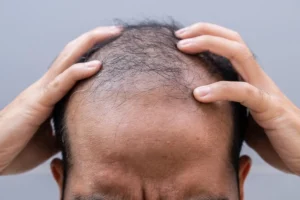
Bu anagen stage of hair growth is the active growing phase that determines how long each strand can become before it sheds. For anyone dealing with thinning hair or considering a transplant, knowing how this phase works is essential. In fact, up to 85% of the hair on a healthy scalp is in the anagen phase at any given time, highlighting its importance in overall hair density.
This article breaks down the biology behind the anagen phase, explores the factors that can lengthen or shorten it, and explains why a robust anagen stage matters for successful hair restoration procedures. Whether you’re curious about why your hair grows faster in summer or how to support longer, healthier strands, the information here will give you a clear roadmap.
We’ll also connect these insights to the advanced transplant techniques offered by Gold City Hair, showing how a thriving anagen phase can enhance graft survival and long‑term results.
Saç Büyüme Döngüsü Açıklandı
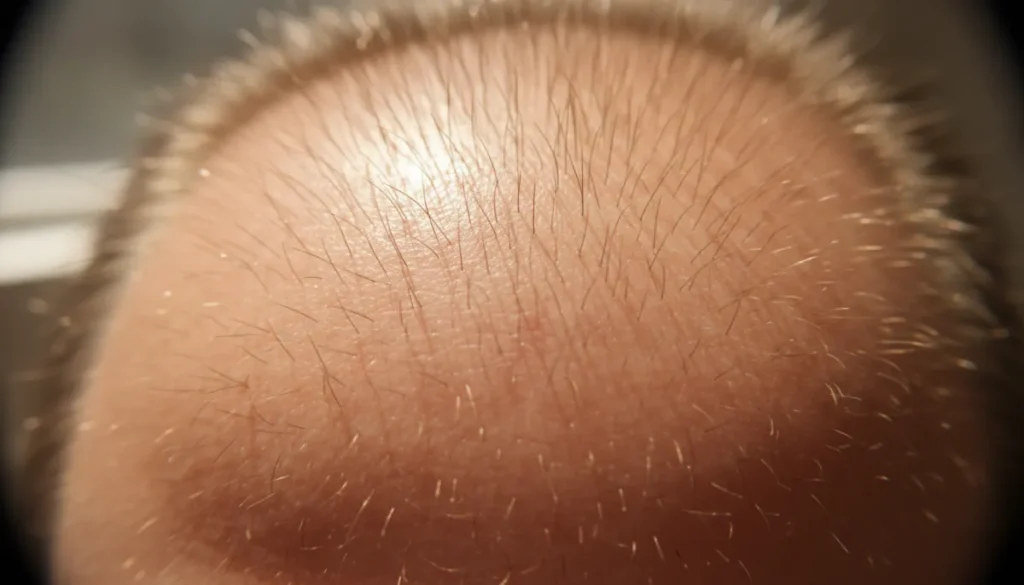
The hair follicle operates on a repeating pattern known as the hair growth cycle. This cycle consists of three primary phases: anagen, catagen, and telogen. Each phase has a distinct purpose and duration, collectively determining the health and length of your hair.
Phase Overview
- Anagen (growth phase): Cells in the hair matrix divide rapidly, pushing the hair shaft upward. This phase can last from 2 to 7 years, depending on genetics and health.
- Catagen (regression phase): A short transitional period of 2‑3 weeks where growth stops and the follicle shrinks.
- Telogen (resting phase): Lasts about 3 months; the hair eventually sheds, making room for a new anagen cycle.
Comparative Table
| Phase | Duration | Key Activity | Impact on Hair Length |
|---|---|---|---|
| Anagen | 2‑7 years | Cell proliferation & shaft elongation | Determines maximum hair length |
| Catagen | 2‑3 weeks | Follicle regression | No growth; prepares for shedding |
| Telogen | ≈3 months | Resting & shedding | Hair loss of old strands |
Understanding this cycle is the foundation for recognizing why the anagen stage of hair growth is the most critical period for achieving length and density.
What Happens During the Anagen Stage
During the anagen phase, the hair matrix—the region at the base of the follicle—undergoes rapid cell division. These newly formed cells harden into keratin, forming the hair shaft that you see above the skin. Blood vessels supply essential nutrients, oxygen, and hormones that fuel this growth.
Several biological markers indicate an active anagen phase:
- High levels of insulin‑like growth factor‑1 (IGF‑1) and vascular endothelial growth factor (VEGF).
- Increased expression of keratin‑associated proteins.
- Robust blood flow measured by Doppler imaging.
Because the anagen phase dictates the potential length of each strand, any factor that shortens its duration—such as stress, nutritional deficiencies, or hormonal imbalances—directly reduces the maximum hair length. Conversely, a prolonged anagen phase can lead to longer, thicker hair.
Typical Duration by Body Area
| Body Area | Average Anagen Length | Typical Maximum Hair Length |
|---|---|---|
| Scalp | 2‑7 years | Up to 60 cm (24 inches) |
| Eyebrows | 4‑7 months | ≈1 cm (0.4 inches) |
| Sakal | 6‑12 months | ≈15 cm (6 inches) |
For individuals planning a hair transplant, understanding these timelines helps set realistic expectations for post‑procedure growth.
Factors That Influence the Length of the Anagen Phase
Several internal and external factors can either extend or shorten the anagen stage, directly affecting how much your hair can grow each year. Below are the most influential elements:
- Genetics: Determines baseline anagen duration; some families naturally have longer growth phases.
- Hormonal balance: Thyroid hormones, androgens, and estrogen levels play pivotal roles.
- Nutritional status: Adequate protein, iron, zinc, and biotin are essential for follicular health.
- Age: As we age, the proportion of follicles in anagen typically decreases.
- Stress and illness: Acute or chronic stress can push follicles into the telogen phase prematurely (telogen effluvium).
- Medications: Certain drugs, such as chemotherapy agents, cause anagen effluvium, abruptly halting growth.
Average Hair Growth Rate Context
On average, scalp hair grows about 0.35 mm per day, or roughly 12 mm (0.5 inches) per month—approximately 15 cm (6 inches) per year. However, individuals with a longer anagen phase can exceed this average, especially when supported by optimal health.
Impact of Lifestyle Choices
| Lifestyle Factor | Effect on Anagen | Practical Tip |
|---|---|---|
| Regular Exercise | Improves circulation, prolongs anagen | Aim for 150 min moderate cardio weekly |
| Smoking | Reduces blood flow, shortens anagen | Quit or reduce tobacco use |
| Sleep Quality | Hormonal regulation supports growth | 7‑9 hours of restorative sleep |
By addressing these variables, you can naturally encourage a longer, more productive anagen phase.
How to Support a Healthy Anagen Phase Naturally
Optimizing the conditions for the anagen stage involves a combination of nutrition, scalp care, and lifestyle adjustments. Below are evidence‑based strategies that can help maintain a robust growth phase.
- Protein‑rich diet: Hair is made of keratin, a protein. Include lean meats, legumes, and dairy.
- Iron and zinc supplementation: Deficiencies are linked to shorter anagen periods.
- Scalp massage: Stimulates blood flow, delivering more nutrients to the follicle.
- Avoid harsh chemicals: Over‑processing can damage the follicle matrix and trigger premature catagen.
- Use gentle, sulfate‑free shampoos: They preserve the scalp’s natural oils, supporting follicular health.
- Minimize heat styling: Excessive heat can cause oxidative stress, shortening the anagen phase.
Sample Daily Routine
| Time | Action | Benefit |
|---|---|---|
| Morning | Protein‑rich breakfast (eggs, Greek yogurt) | Provides building blocks for keratin synthesis |
| Midday | 30‑minute brisk walk | Boosts circulation to the scalp |
| Evening | Scalp massage for 5 minutes | Enhances nutrient delivery during rest |
Consistently applying these habits can lengthen the anagen stage, leading to visibly longer and denser hair over time.
Anagen Phase and Hair Transplant Success
For patients undergoing hair restoration, the condition of the anagen phase is a decisive factor in graft survival. When transplanted follicles enter a healthy anagen stage, they are more likely to produce robust, long‑lasting hair shafts.
- FUE (Follicular Unit Extraction) relies on individual follicle health; a strong anagen phase ensures each graft thrives.
- DHI (Direct Hair Implantation) places grafts directly into the scalp, minimizing trauma and preserving the anagen activity.
- Eyebrow and beard transplants also depend on the recipient site’s anagen capacity for natural‑looking results.
Technique Comparison Table
| Technique | Ideal Anagen Condition | Typical Growth Timeline | Success Rate |
|---|---|---|---|
| FUE | Active anagen follicles, good vascular supply | 3‑6 months visible growth, full results by 12‑18 months | ≈90‑95% |
| DHI | Healthy anagen phase, minimal trauma | 2‑4 months initial growth, full results by 10‑14 months | ≈92‑97% |
| Eyebrow/Beard | Short‑term anagen (4‑12 months) | 1‑3 months initial growth, full density by 6‑9 months | ≈88‑94% |
Gold City Hair’s experienced surgeons assess the patient’s hair cycle before planning the transplant, ensuring that the chosen technique aligns with the individual’s anagen dynamics for optimal outcomes.
Why Choose Gold City Hair
Gold City Hair combines cutting‑edge FUE and DHI technologies with a personalized approach to each patient’s hair growth cycle. Since 2017, our clinic in Turkey has helped thousands restore confidence through natural‑looking results. Our team conducts thorough assessments of the anagen stage, tailoring graft placement to maximize growth potential while maintaining transparency throughout the journey.
Ready to unlock the full potential of your hair’s natural growth cycle? Contact Gold City Hair today to schedule a personalized consultation and take the first step toward lasting, vibrant results.
SSS
What is the anagen stage of hair growth?
The anagen stage is the active growth phase of the hair follicle where cells rapidly divide and the hair shaft lengthens.
How does the hair growth cycle work?
The hair growth cycle consists of three phases: anagen (growth), catagen (transition), and telogen (rest).
Which factors can shorten the anagen phase?
Genetics, hormonal imbalances, poor nutrition, stress, aging, and certain medications can all shorten anagen.
How can I naturally support a longer anagen phase?
Maintain a protein‑rich diet, ensure adequate micronutrients, exercise regularly, get quality sleep, and massage the scalp.
Why is the anagen stage important for hair transplant success?
Healthy anagen follicles are more likely to survive extraction and produce robust grafts after transplantation.
What makes Gold City Hair’s approach to hair restoration unique?
Gold City Hair tailors transplant planning to each patient’s anagen dynamics and uses advanced FUE and DHI techniques.