Bu average age of hair loss varies widely among individuals, but understanding the typical timeline can help you recognize early signs and seek timely treatment. Hair thinning often begins in the late teens for some men, while many women notice changes in their thirties or forties. This article explores the factors that influence when hair loss starts, compares male and female patterns, and outlines practical steps you can take to assess your risk and explore effective solutions.
Hair loss is more than a cosmetic concern; it can impact self‑esteem and quality of life. By the time noticeable baldness appears, underlying conditions such as androgenetic alopecia or alopecia areata may have been progressing for years. Early awareness empowers you to intervene before significant thinning occurs.
In the sections below, we’ll examine scientific findings on the typical onset ages, discuss genetic and lifestyle contributors, and provide guidance on personalized treatment options—whether you’re considering medication, laser therapy, or a hair transplant at Gold City Hair.
Understanding When Hair Loss Typically Begins
Research indicates that the average age of hair loss for men is around 35, with many experiencing the first signs of male pattern baldness in their late twenties. For women, the average onset is later, often appearing in the early forties, though some may notice thinning as early as their mid‑thirties.
Key statistics:
- Approximately 25% of men show visible hair loss by age 30.
- By age 50, about 50% of men experience some degree of baldness.
- Nearly 40% of women report noticeable hair thinning by age 45.
These numbers illustrate that while the average age provides a benchmark, individual experiences can differ significantly based on genetics, hormone levels, and environmental factors.
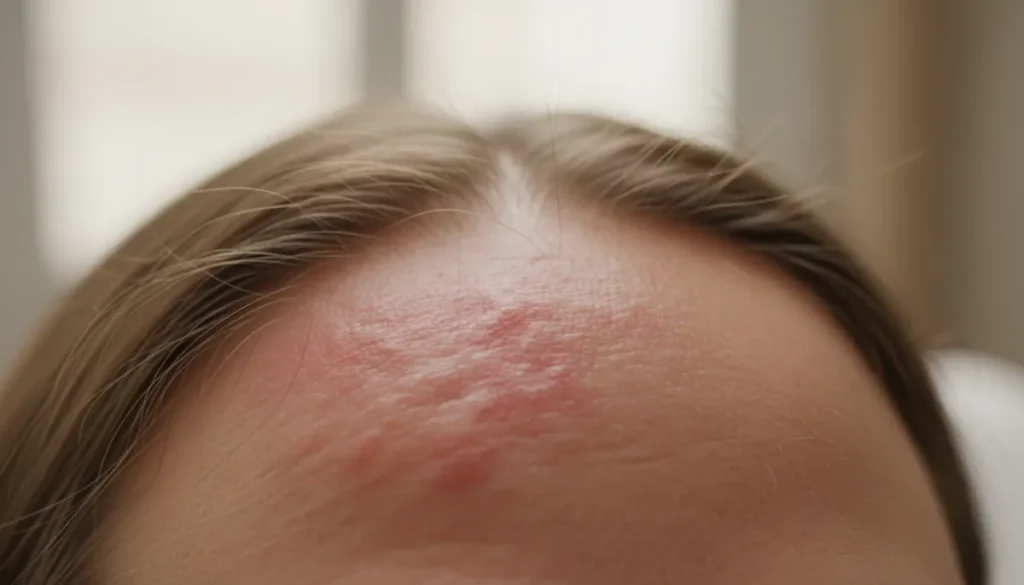
Factors Influencing the Age of Onset
Several variables can shift the average age of hair loss earlier or later. Understanding these factors helps you gauge personal risk.
Genetik
Family history remains the strongest predictor. If a close relative experienced early balding, you may encounter similar patterns due to inherited sensitivity to dihydrotestosterone (DHT), the hormone linked to androgenetic alopecia.
Hormonal Changes
Hormonal fluctuations—such as those occurring during puberty, pregnancy, menopause, or thyroid disorders—can trigger or accelerate thinning. Women often notice a surge in hair shedding after childbirth, known as telogen effluvium.
Lifestyle and Nutrition
Stress, poor diet, and smoking have all been associated with earlier hair loss. Deficiencies in iron, vitamin D, and zinc can weaken hair follicles, making them more susceptible to shedding.
| Factor | Impact on Age of Onset |
|---|---|
| Strong family history | Can lower onset by 5‑10 years |
| High DHT levels | Accelerates male pattern baldness |
| Chronic stress | May cause early telogen effluvium |
| Balanced diet | Supports later onset, healthier hair |
Differences Between Male and Female Patterns
While the average age of hair loss offers a general guide, the presentation differs markedly between sexes.
Male Pattern Baldness (Androgenetic Alopecia)
Men typically experience a receding hairline and vertex thinning, progressing to a classic “M” shape. This pattern is driven largely by DHT sensitivity.
Female Pattern Thinning
Women more often notice diffuse thinning across the crown while maintaining the frontal hairline. Hormonal shifts, especially estrogen decline, play a crucial role.
Both conditions fall under the umbrella of androgenetic alopecia, yet treatment strategies can vary based on the distribution and severity of hair loss.
- Men: Focus on DHT blockers, minoxidil, and surgical restoration.
- Women: Emphasize hormonal balance, low‑dose minoxidil, and nutritional support.
How to Assess Your Own Risk and Early Signs
Identifying whether you fall within the typical average age of hair loss range involves self‑examination and, when needed, professional evaluation.
Self‑Check Checklist
- Examine your scalp in a well‑lit room; look for thinning at the temples or crown.
- Note any increase in shedding when washing or brushing.
- Track family history: ask relatives about the age they first noticed thinning.
- Consider recent life events—stress, illness, or hormonal changes—that may trigger shedding.
When to See a Specialist
If you observe persistent thinning for more than three months, or notice rapid patchy loss (possible alopecia areata), schedule a consultation. A dermatologist or hair restoration clinic can perform a scalp analysis, blood tests, and discuss options such as platelet‑rich plasma (PRP) or hair transplantation.
| Sign | Suggested Action |
|---|---|
| Gradual thinning at crown | Consider minoxidil or nutritional support |
| Receding hairline | Consult for DHT‑blocking therapy |
| Patchy bald spots | Seek evaluation for alopecia areata |
| Excess shedding after stress | Monitor; if persists, schedule check‑up |
Treatment Options Tailored to Age Groups
Understanding the average age of hair loss helps clinicians recommend age‑appropriate interventions. Younger patients often benefit from non‑surgical methods, while older individuals may consider surgical restoration for lasting results.
Early‑Stage (Teens‑20s)
- Topical minoxidil 2% (women) or 5% (men).
- Low‑dose oral finasteride for men with physician supervision.
- Nutrition optimization: iron, zinc, vitamin D.
Mid‑Stage (30s‑40s)
- Combination therapy: minoxidil + finasteride.
- Platelet‑rich plasma (PRP) sessions to stimulate follicles.
- Consider low‑level laser therapy (LLLT) devices.
Advanced Stage (45+)
- Follicular Unit Extraction (FUE) or Direct Hair Implantation (DHI) performed by experienced surgeons.
- Scalp micro‑pigmentation for cosmetic density.
- Post‑transplant maintenance with minoxidil and lifestyle counseling.
Gold City Hair specializes in FUE and DHI techniques, offering personalized treatment plans that respect each patient’s age, hair type, and aesthetic goals.
Why Choose Gold City Hair
Gold City Hair has been delivering personalized hair restoration solutions since 2017. Our team combines expertise in FUE, DHI, and eyebrow/beard transplants with a commitment to transparent communication and patient‑centered care. We tailor each treatment to the individual’s age, hair characteristics, and aesthetic aspirations, ensuring natural‑looking results that boost confidence.
Ready to take control of your hair journey? Contact Gold City Hair today for a confidential consultation and discover the most effective solution for your unique needs.
Experience renewed confidence—schedule your appointment now.
SSS
What is the average age men start experiencing hair loss?
Men typically notice the first signs of hair loss around age 35, with many seeing early signs in their late twenties.
At what age do women typically notice hair thinning?
Women usually experience noticeable hair thinning in their early forties, though some may see changes as early as their mid‑thirties.
Which factors can cause hair loss to start earlier?
Genetics, high DHT levels, hormonal changes, chronic stress, poor diet, and certain medical conditions can all accelerate hair loss onset.
How can I assess my risk of hair loss at home?
Perform a self‑check by examining your scalp in good lighting, tracking shedding, noting family history, and considering recent stress or hormonal events.
What treatment options are suitable for different age groups?
Teens‑20s benefit from topical minoxidil and nutrition; 30s‑40s often use combination therapy, PRP, or laser; 45+ may consider surgical options like FUE or DHI.
Why choose Gold City Hair for hair restoration?
Gold City Hair offers experienced FUE and DHI surgeons, personalized age‑specific treatment plans, and a patient‑centered approach since 2017.





