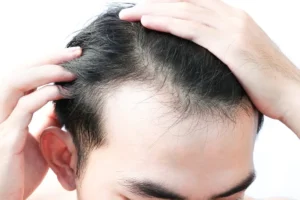
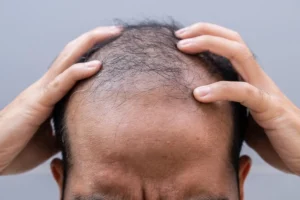
Understanding baldness begins with the question: where does baldness come from? The answer lies in a complex interplay of genetics, hormones, lifestyle choices, and medical conditions. Over 30% of men experience noticeable hair loss by age 30, and the prevalence rises dramatically with age, making it a common concern worldwide.
This article explores the primary drivers behind hair loss, from inherited genes to environmental triggers. By uncovering the root causes, you can make informed decisions about prevention and treatment, whether you’re considering medication, lifestyle changes, or a hair transplant.
We’ll also highlight how modern restoration techniques, such as Follicular Unit Extraction (FUE) and Direct Hair Implantation (DHI), address the underlying factors that cause hair follicles to shrink or disappear. Let’s dive into the science that explains where baldness comes from and what you can do about it.
Genetic Foundations of Baldness
Genetics play the leading role in determining why baldness occurs. The most common form, androgenetic alopecia, is inherited and affects both men and women. Researchers have identified several genes linked to hair follicle sensitivity to dihydrotestosterone (DHT), a potent androgen hormone.
Inheritance Patterns
While the exact inheritance pattern is polygenic, certain trends are observable:
- Male relatives on the maternal side often influence the risk of male pattern baldness.
- Women may inherit a predisposition for thinning hair that becomes apparent after menopause.
- Both parents can contribute risk alleles, making the condition multifactorial.
Key Genetic Factors
Key genes include AR (androgen receptor), WNT10A, and the hairless (HR) gene. These genes affect follicle mini‑miniaturization, shortening the growth phase (anagen) and lengthening the resting phase (telogen).
| Factor | Male Pattern | Female Pattern |
|---|---|---|
| Typical Onset | Late teens to early 30s | Late 20s to 40s |
| Hairline Change | Receding temples, vertex thinning | Diffuse thinning across crown |
| Primary Gene Involved | AR (androgen receptor) | Multiple polygenic factors |
Understanding these genetic components clarifies where baldness comes from at the molecular level and why family history is such a strong predictor.

Hormonal Influences and the Role of DHT
Hormones, especially DHT, are pivotal in the progression of hair loss. DHT is derived from testosterone through the action of the enzyme 5‑alpha‑reductase. Follicles that are genetically sensitive to DHT shrink over time, leading to thinner strands and eventual shedding.
How DHT Affects Follicles
When DHT binds to receptors in the hair follicle, it triggers:
- Shortening of the anagen (growth) phase.
- Miniaturization of the follicle size.
- Increased shedding during the telogen phase.
Factors That Increase DHT Levels
Several lifestyle and health factors can elevate DHT production:
- High‑glycemic diets that spike insulin.
- Stress, which raises cortisol and can indirectly boost androgen activity.
- Certain medications, such as anabolic steroids.
- Age‑related hormonal shifts, especially in men after 30.
Addressing hormonal imbalance through medical therapy (e.g., finasteride) or lifestyle adjustments can slow the progression of hair loss caused by DHT.
Environmental and Lifestyle Triggers
While genetics and hormones set the stage, environmental and lifestyle factors often accelerate the process. Understanding where baldness comes from also involves recognizing external influences that can damage hair follicles.
Common Lifestyle Contributors
- Smoking – reduces blood flow to the scalp and introduces oxidative stress.
- Excessive heat styling – weakens the hair shaft and irritates the scalp.
- Poor nutrition – deficiencies in iron, zinc, and biotin compromise follicle health.
- Chronic stress – disrupts the hair growth cycle, pushing follicles into telogen.
Environmental Exposures
Pollutants, UV radiation, and harsh chemicals can also affect scalp health. A table below outlines typical exposures and their potential impact on hair density.
| Exposure | Effect on Scalp | Potential Outcome |
|---|---|---|
| Air pollution (PM2.5) | Inflammation, oxidative damage | Accelerated follicle miniaturization |
| UV radiation | DNA damage in follicle cells | Increased shedding, reduced growth |
| Harsh shampoos/chemicals | Scalp irritation, pH imbalance | Weakened hair shaft, breakage |
Mitigating these factors—by quitting smoking, using gentle hair care products, and protecting the scalp from UV—can help preserve existing hair and improve the success of later restorative procedures.
Medical Conditions That Mimic or Accelerate Hair Loss
Beyond the classic patterns, several medical conditions can cause or worsen hair loss, often confusing patients about the true source of their baldness.
Alopesi Areata
This autoimmune disorder leads to sudden, patchy hair loss. Unlike androgenetic alopecia, the hair follicles are not permanently damaged, and regrowth can occur spontaneously or with treatment.
Thyroid Disorders
Both hypothyroidism and hyperthyroidism disrupt the normal hair growth cycle, resulting in diffuse thinning across the scalp.
Iron‑Deficiency Anemia
Lack of iron impairs oxygen delivery to the follicles, leading to fragile hair and increased shedding.
Other Dermatological Issues
- Seborrheic dermatitis – causes scalp inflammation and itching.
- Scarring alopecia – leads to permanent loss due to follicle destruction.
Identifying these underlying conditions through proper medical evaluation is essential. Treating the root cause—whether it’s hormonal imbalance, nutritional deficiency, or autoimmune activity—can halt further loss and improve the outcomes of any subsequent transplant.
How Modern Hair Restoration Addresses the Root Causes
When preventive measures and medical treatments are insufficient, surgical restoration offers a permanent solution. Techniques such as FUE ve DHI directly target the underlying follicular issues by transplanting healthy donor hairs to balding areas.
Key Advantages of Contemporary Transplants
- Use of genetically robust donor zones that are resistant to DHT.
- Minimally invasive extraction preserving surrounding tissue.
- Precision placement that mimics natural hair growth direction.
Treatment Options Overview
| Procedure | Typical Graft Yield | Recovery Time |
|---|---|---|
| FUE (Follicular Unit Extraction) | 1,500–4,000 grafts | 7–10 days |
| DHI (Doğrudan Saç İmplantasyonu) | 1,200–3,500 grafts | 5–9 days |
| Eyebrow/Beard Transplant | 200–800 grafts | 4–7 days |
By transplanting follicles that are genetically programmed to resist DHT, these procedures effectively bypass the primary mechanisms that cause baldness. Combined with post‑operative care—such as topical minoxidil or low‑dose finasteride—patients achieve lasting density and natural appearance.
Why Choose Gold City Hair
Gold City Hair combines decades of clinical expertise with state‑of‑the‑art FUE and DHI techniques. Since 2017, our team has delivered personalized hair restoration plans that respect each patient’s unique genetic and hormonal profile. Transparent communication, a comfortable clinic environment in Turkey, and a commitment to natural‑looking results set us apart as a trusted partner in your journey to regain confidence.
Ready to uncover the true cause of your hair loss and explore a permanent solution? Contact Gold City Hair today to schedule a confidential consultation and take the first step toward a fuller, healthier scalp.
SSS
What genetic factors contribute to baldness?
Key genes such as AR, WNT10A, and HR affect follicle sensitivity to DHT, leading to mini‑miniaturization.
How does DHT cause hair follicles to shrink?
DHT binds to follicle receptors, shortening growth phase and miniaturizing the follicle.
Which lifestyle habits can accelerate hair loss?
Smoking, poor nutrition, high‑glycemic diets, chronic stress, and excessive heat styling can speed up hair loss.
What medical conditions mimic or worsen baldness?
Alopecia areata, thyroid disorders, iron‑deficiency anemia, seborrheic dermatitis, and scarring alopecia can cause or intensify hair loss.
How do modern FUE and DHI transplants address the root causes of baldness?
They transplant DHT‑resistant donor hairs and place them precisely, bypassing the hormonal and genetic factors that cause thinning.