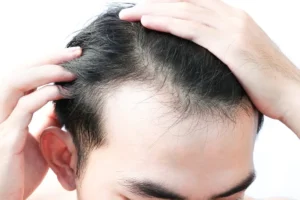
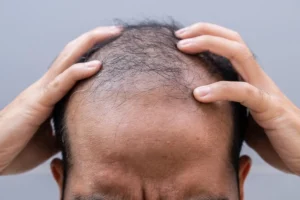
Many patients wonder can anaesthesia cause hair loss when they are scheduled for a surgical or cosmetic procedure. The concern is especially common among those already dealing with hair thinning, because any additional shedding can feel alarming. While the link between anesthesia and hair loss is not straightforward, research shows that stress‑related factors and certain medications used during surgery can trigger temporary shedding known as telogen effluvium.
In this article we will examine the physiological mechanisms behind hair shedding after anesthesia, differentiate between the various types of anesthetic agents, and provide practical steps to minimize risk. By the end, you’ll have a clearer picture of what to expect and how to protect your hair during the peri‑operative period.
According to a 2022 study, up to 12% of patients report noticeable hair thinning in the weeks following major surgery. Understanding why this happens helps you make informed decisions and reduces anxiety about post‑operative appearance.
How Anesthesia Affects the Body: A Brief Overview

When you receive anesthesia, whether general or local, the drugs interact with the central nervous system to block pain signals and induce unconsciousness or numbness. This process involves several physiological changes, including alterations in hormone levels, blood flow, and metabolic activity. While the primary goal is to ensure a painless procedure, these systemic shifts can have secondary effects.
Common anesthesia side effects include nausea, dizziness, sore throat, and temporary memory loss. Less frequently discussed are the longer‑term impacts such as changes in hair growth cycles. The stress of surgery itself, combined with the pharmacological effects of anesthetic agents, can push a larger proportion of hair follicles into the resting (telogen) phase, leading to shedding a few weeks later.
Key points to remember:
- General anesthesia affects the entire body, while local anesthesia targets a specific area.
- Medications like propofol, sevoflurane, and certain opioids can influence hormonal balance.
- Stress hormones (cortisol) rise during surgery, which can trigger telogen effluvium.
Why Some Patients Notice Hair Shedding After Surgery
Hair growth follows a three‑phase cycle: anagen (growth), catagen (transition), and telogen (rest). When a significant physiological stressor occurs—such as major surgery, severe illness, or a high dose of anesthetic drugs—many follicles can prematurely enter the telogen phase. This phenomenon, known as telogen effluvium, typically manifests 2‑3 months after the triggering event.
Research indicates that the combination of surgical stress, anesthesia, and postoperative inflammation creates a perfect storm for temporary hair loss. While the condition is usually self‑limiting, understanding its triggers helps patients set realistic expectations.
| Trigger | Typical Onset of Shedding | Duration of Hair Loss |
|---|---|---|
| Major surgery with general anesthesia | 6‑12 weeks | 3‑6 months (often resolves) |
| Intensive care stay (sedation) | 8‑10 weeks | 4‑9 months |
| High‑dose opioids post‑op | 4‑8 weeks | 2‑5 months |
It’s important to differentiate this temporary shedding from permanent hair loss caused by genetic factors or underlying medical conditions. In most cases, hair regrows once the body’s stress response normalizes.
Types of Anesthesia and Their Specific Risks
Not all anesthetic techniques carry the same risk for hair loss. Understanding the nuances can help you discuss options with your surgeon and anesthesiologist.
General Anesthesia
Involves a combination of intravenous and inhaled agents that render the patient fully unconscious. While highly effective for extensive procedures, general anesthesia is associated with the most pronounced systemic stress response, potentially increasing the likelihood of telogen effluvium.
Regional Anesthesia
Includes spinal, epidural, and peripheral nerve blocks. These methods limit the drug’s impact to a specific region, reducing overall hormonal disruption. However, if combined with sedation, the overall stress may still be significant.
Local Anesthesia
Used for minor procedures, it numbs only the immediate area. The systemic side effects are minimal, making it the least likely to contribute to hair loss.
When evaluating anesthesia risks, consider the following factors:
- Duration of the procedure – longer surgeries increase exposure.
- Patient’s baseline health – pre‑existing conditions can amplify stress responses.
- Medication regimen – some anesthetics and postoperative painkillers have known endocrine effects.
Managing Hair Health Before and After an Anesthetic Procedure
Proactive steps can mitigate the impact of anesthesia on hair follicles. Here are evidence‑based recommendations:
- Beslenme: Ensure adequate intake of protein, iron, zinc, and biotin in the weeks leading up to surgery.
- Stress reduction: Practice relaxation techniques such as deep breathing, meditation, or yoga to lower cortisol levels.
- Medication review: Discuss with your surgeon any drugs that may affect hair growth, including certain steroids or high‑dose opioids.
- Gentle hair handling: Avoid tight hairstyles, harsh chemicals, and excessive heat styling in the peri‑operative period.
Post‑operative care should focus on supporting the scalp’s recovery:
- Keep the scalp clean but avoid vigorous scrubbing.
- Use mild, sulfate‑free shampoos.
- Consider topical minoxidil if you have a history of pattern hair loss, after consulting your physician.
By integrating these practices, you reduce the chance that anesthesia‑related stress will translate into noticeable hair shedding.
When to Seek Professional Help for Post‑Anesthetic Hair Loss
If you notice excessive shedding that continues beyond six months, or if the pattern of loss suggests a more permanent condition, it’s time to consult a hair‑restoration specialist. At Gold City Hair, we evaluate the underlying cause—whether it’s lingering effects of anesthesia, nutritional deficiencies, or genetic predisposition—and recommend personalized treatment plans.
Key signs that warrant a professional evaluation include:
- Hair loss that exceeds normal telogen shedding (more than 100 strands per day).
- Patchy or localized bald spots.
- Accompanying symptoms such as scalp itching, redness, or pain.
Early intervention can improve outcomes, especially when combined with advanced techniques like FUE or DHI, which we specialize in.
Why Choose Gold City Hair
Gold City Hair has been delivering safe, effective hair restoration solutions since 2017. Our team combines medical expertise with personalized care, ensuring transparent communication at every step. Whether you are dealing with post‑operative shedding or seeking a permanent solution, we provide state‑of‑the‑art FUE and DHI procedures performed by experienced surgeons in Turkey.
Ready to protect your hair and regain confidence? Contact Gold City Hair today to schedule a free consultation and learn how our tailored approach can keep your hair healthy before, during, and after any procedure.
SSS
Can anesthesia cause hair loss?
Yes, anesthesia can trigger temporary hair shedding known as telogen effluvium due to stress and hormonal changes.
What is telogen effluvium and how is it related to surgery?
Telogen effluvium is a stress‑induced shedding of hair that often follows major surgery or anesthesia.
Which types of anesthesia have the highest risk of hair shedding?
General anesthesia carries the highest risk, while regional and local anesthesia have lower risks.
How can I prevent hair loss before and after surgery?
Maintain good nutrition, manage stress, review medications, and handle hair gently during the peri‑operative period.
When should I see a specialist for postoperative hair loss?
If shedding persists beyond six months, exceeds normal telogen loss, or shows patchy bald spots.
Does using minoxidil help with anesthesia‑related hair loss?
Minoxidil can support regrowth but should be used after consulting a physician.
Are there specific medications used during surgery that affect hair growth?
Certain agents like propofol, sevoflurane, and high‑dose opioids can influence hormonal balance and hair cycles.