Many people wonder can B12 vitamins cause hair loss when they notice shedding after starting a supplement routine. Understanding the link between vitamin B12 and hair health is essential, especially because hair loss can affect confidence and overall well‑being. Recent studies suggest that both deficiency and, in rare cases, excessive intake may influence the hair growth cycle. In this article we will examine the science behind B12, identify signs of deficiency, explore whether too much B12 can trigger shedding, and provide practical steps to keep your hair thriving.
Hair loss affects up to 40 % of adults at some point in their lives, and nutrition is a common factor that patients often overlook. While the spotlight frequently falls on iron or vitamin D, vitamin B12 plays a distinct role in DNA synthesis and red blood cell formation—processes that directly support healthy follicles. By the end of this guide, you’ll know how to evaluate your B12 status, differentiate between deficiency‑related loss and other causes, and make informed choices about supplementation.
Let’s dive into the details, starting with a clear picture of what vitamin B12 does in the body and why it matters for hair.
Understanding Vitamin B12 and Its Role in the Body
Vitamin B12, also known as cobalamin, is a water‑soluble vitamin essential for nerve function, red blood cell production, and DNA synthesis. It is primarily obtained from animal‑based foods such as meat, fish, dairy, and eggs, making vegetarians and vegans more prone to low levels.
Key functions of vitamin B12 include:
- Supporting the formation of healthy red blood cells that deliver oxygen to scalp tissues.
- Facilitating the conversion of homocysteine to methionine, a building block for keratin, the protein that makes up hair.
- Maintaining the myelin sheath around nerves, which helps regulate the signaling needed for hair follicle activity.
When B12 levels drop, the body’s ability to produce adequate oxygen‑rich blood and keratin is compromised, potentially leading to weakened hair shafts and increased shedding. Common symptoms of B12 deficiency beyond hair issues include fatigue, tingling in the hands and feet, and a sore, red tongue.
Because the scalp requires a steady supply of nutrients, even a modest deficiency can manifest as diffuse thinning or patchy loss, especially in individuals already predisposed to hair problems.

How Vitamin B12 Deficiency Can Lead to Hair Loss
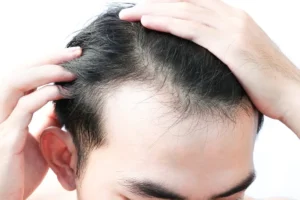
When the body lacks sufficient B12, the hair growth cycle can be disrupted at several points. The anagen (growth) phase may shorten, while the telogen (resting) phase lengthens, resulting in more hairs shedding than growing.
Research indicates that individuals with confirmed B12 deficiency often present with the following hair‑related signs:
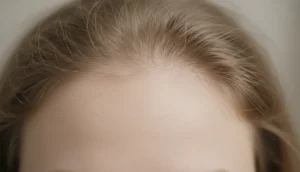
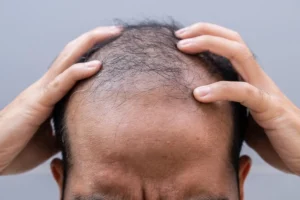
- Diffuse thinning across the crown and frontal scalp.
- Increased hair breakage and reduced shine.
- Patchy alopecia that may be mistaken for alopecia areata.
Below is a comparison of typical laboratory values and the associated hair symptoms:
| Lab Parameter | Normal Range | Deficient Range | Hair‑Related Symptoms |
|---|---|---|---|
| Serum B12 (pg/mL) | 200‑900 | <200 | Diffuse thinning, increased shedding |
| Hemoglobin (g/dL) | 13‑17 (men) / 12‑15 (women) | Low | Pale scalp, reduced oxygen delivery |
| Methylmalonic Acid (µmol/L) | 0‑0.4 | Elevated | Indicative of functional B12 deficiency |
Addressing a deficiency typically reverses these symptoms within three to six months of proper supplementation, especially when combined with a balanced diet rich in protein and other hair‑supporting nutrients such as iron and zinc.
It’s important to note that while many ask can B12 vitamins cause hair loss, the primary concern is usually a lack of B12 rather than the supplement itself. However, the next section explores the less common scenario of excess intake.
Can Excess Vitamin B12 Cause Hair Loss? Myth vs Reality
High‑dose vitamin B12 supplements are generally considered safe because the vitamin is water‑soluble, and excess amounts are excreted in urine. Nevertheless, some anecdotal reports suggest that extremely high levels might be linked to hair shedding, prompting the question: can excess vitamin B12 cause hair loss?
Current scientific evidence does not support a direct causal relationship between supraphysiologic B12 doses and hair loss. Most clinical trials using doses up to 2,000 µg per day report no adverse effects on the scalp. The occasional hair loss reported by supplement users is more likely related to:
- Underlying hormonal changes or stressors that coincided with the start of supplementation.
- Concurrent intake of other nutrients (e.g., excess vitamin A) that can trigger shedding.
- Allergic reactions to filler ingredients in certain supplement formulations.
For individuals with normal B12 levels, routine high‑dose supplementation is unnecessary and may lead to other issues such as gastrointestinal discomfort. If you suspect a reaction, consider the following steps:
- Pause the supplement for two weeks and monitor hair shedding.
- Consult a healthcare professional for a serum B12 test.
- Switch to a lower‑dose, methylcobalamin form if a deficiency is confirmed.
In summary, the prevailing consensus is that excessive B12 alone does not cause hair loss; the myth persists mainly due to misattribution of unrelated factors.
Other Nutrient Deficiencies That Mimic B12‑Related Hair Loss
Hair loss is rarely caused by a single factor. Deficiencies in iron, vitamin D, and vitamin A often present with similar symptoms, making it crucial to evaluate the broader nutritional picture.
Key nutrients to assess alongside B12:
- Iron: Low ferritin levels reduce oxygen transport, leading to telogen effluvium.
- Vitamin D: Deficiency can impair follicle cycling; studies link low vitamin D to alopecia areata.
- Vitamin A: Both deficiency and excess can disrupt sebum production, affecting scalp health.
- Zinc: Essential for DNA synthesis and cell division; deficiency may cause brittle hair.
Below is a quick reference table comparing common deficiency symptoms and their impact on hair:
| Nutrient | Deficiency Symptoms | Hair‑Related Effects |
|---|---|---|
| Iron | Fatigue, pallor | Diffuse thinning, increased shedding |
| D Vitamini | Bone pain, muscle weakness | Patchy loss, slowed regrowth |
| Vitamin A | Dry skin, night blindness | Dry, brittle hair; occasional shedding |
| Zinc | Immune dysfunction, taste alteration | Hair breakage, slowed growth |
Because many of these nutrients share dietary sources—especially animal proteins—addressing a single deficiency often improves overall hair health. A comprehensive blood panel can pinpoint which vitamins or minerals need attention.
Practical Steps to Assess and Manage Your Vitamin B12 Levels
If you are concerned about the question can B12 vitamins cause hair loss, the most reliable approach is to evaluate your current status and adjust accordingly.
Step 1: Get Tested
Ask your doctor for a serum B12 test, methylmalonic acid, and homocysteine levels. These markers provide a comprehensive view of functional B12 status.
Step 2: Optimize Your Diet
Incorporate B12‑rich foods such as:
- Lean meats (beef, chicken)
- Fish (salmon, tuna)
- Dairy products (milk, yogurt, cheese)
- Eggs
For vegetarians or vegans, fortified plant milks, nutritional yeast, and B12‑fortified cereals are reliable sources.
Step 3: Choose the Right Supplement
If dietary intake is insufficient, consider a supplement containing methylcobalamin, the bioavailable form of B12. Typical doses range from 500 µg to 1,000 µg daily for deficiency correction, followed by a maintenance dose of 250‑500 µg.
Step 4: Monitor Progress
Re‑test B12 levels after 8‑12 weeks of supplementation. Observe changes in hair density, shedding patterns, and overall energy.
Step 5: Address Co‑Existing Deficiencies
Simultaneously correct iron, vitamin D, or zinc deficits to maximize hair recovery. A balanced diet paired with targeted supplementation offers the best chance for regrowth.
By following these steps, you can confidently determine whether your B12 intake is contributing to hair loss and take corrective action that supports both scalp health and overall wellness.
Why Choose Gold City Hair
At Gold City Hair, we combine cutting‑edge hair restoration techniques with a deep understanding of nutritional factors that affect hair health. Our experienced team offers personalized consultations, ensuring that any underlying deficiencies—such as vitamin B12—are identified and addressed alongside surgical options like FUE or DHI. Since 2017, we have helped countless clients regain confidence through transparent communication, tailored treatment plans, and a commitment to long‑term results.
Ready to restore your hair and confidence? Contact Gold City Hair today for a comprehensive evaluation and discover the best path forward for your unique needs.
Schedule your free consultation now and take the first step toward healthier, fuller hair.
SSS
Can B12 deficiency cause hair loss?
Yes, a lack of vitamin B12 can lead to hair thinning and shedding because it impairs red blood cell production and keratin synthesis.
Can taking too much vitamin B12 lead to hair shedding?
Current research indicates that excessive vitamin B12 intake does not directly cause hair loss.
What are the early signs of B12‑related hair problems?
Early signs include diffuse thinning, increased hair breakage, and a dull, lack‑of‑shine appearance.
How can I test my B12 levels to evaluate hair health?
Ask your doctor for a serum B12 test, plus methylmalonic acid and homocysteine measurements for a complete assessment.
What foods are best for boosting B12 to support hair growth?
Animal‑based foods such as meat, fish, dairy, and eggs are the richest natural sources of vitamin B12.
Should vegans supplement B12 to prevent hair loss?
Yes, vegans should consider a B12 supplement because plant‑based diets lack reliable natural sources of the vitamin.
How long does it take to see hair improvement after correcting a B12 deficiency?
Most people notice visible hair improvement within three to six months of proper B12 repletion.