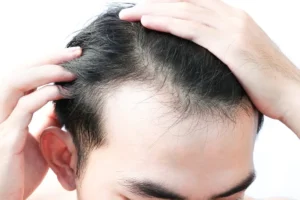
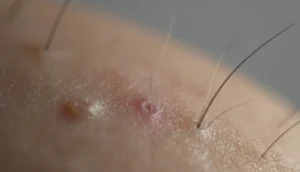
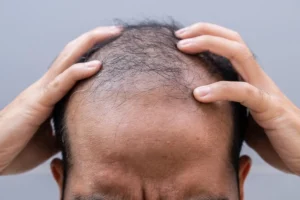
Many patients wonder does cancer cause hair loss before treatment and how early signs might affect their confidence. While hair loss is most commonly linked to chemotherapy or radiation, the disease itself can sometimes initiate subtle changes in hair growth even before therapy begins. Understanding these early signals helps patients and clinicians address concerns promptly, plan supportive care, and maintain self‑esteem during a challenging time.
Hair follicles are highly sensitive to hormonal fluctuations, inflammatory processes, and metabolic stress—all of which can be altered by cancer. Studies show that up to 15% of individuals experience noticeable thinning or shedding in the weeks leading up to a formal treatment plan. Recognizing this pattern can differentiate cancer‑related hair loss from other causes such as stress, nutritional deficiencies, or genetic alopecia.
This article delves into the biological reasons behind pre‑treatment hair loss, compares the impact of chemotherapy and radiation, outlines how to distinguish cancer‑induced shedding from other factors, and offers practical steps to manage hair health before any oncologic therapy starts.
Understanding Hair Loss Mechanisms in Cancer Patients
Hair growth follows a cyclical pattern of anagen (growth), catagen (transition), and telogen (resting) phases. Cancer can disrupt this cycle through several pathways:
- Systemic inflammation: Tumors release cytokines that alter the hair follicle environment, shortening the anagen phase.
- Hormonal imbalances: Certain cancers affect estrogen, testosterone, or thyroid hormones, all of which regulate hair growth.
- Metabolic stress: Increased energy demands of rapidly dividing tumor cells can divert nutrients away from hair follicles.
- Psychological stress: Anxiety and depression, common after a cancer diagnosis, can trigger telogen effluvium, a temporary shedding condition.
These mechanisms often lead to diffuse thinning rather than localized bald patches. The following table summarizes the primary biological factors and their typical clinical presentation:
| Factor | Effect on Hair | Typical Timing |
|---|---|---|
| Inflammatory cytokines (e.g., IL‑6, TNF‑α) | Shortened growth phase, early shedding | Weeks to months before therapy |
| Hormonal disruption | Diffuse thinning, especially on scalp | Variable, often concurrent with diagnosis |
| Metabolic nutrient diversion | Fine, brittle hair; increased breakage | Progressive as tumor burden rises |
| Psychological stress (telogen effluvium) | Sudden shedding of 50–100 hairs per day | Within 2–3 months of stressful event |
How Chemotherapy Contributes to Early Hair Loss
While the question does cancer cause hair loss before treatment often centers on the disease itself, many patients experience hair changes as soon as chemotherapy is initiated. Chemotherapy agents target rapidly dividing cells, which unfortunately include hair matrix keratinocytes. This results in a well‑documented pattern of hair loss known as anagen effluvium.
Key chemotherapy drugs linked to early hair loss include:
- Anthracyclines (e.g., doxorubicin)
- Taxanes (e.g., paclitaxel, docetaxel)
- Alkylating agents (e.g., cyclophosphamide)
- Platinum compounds (e.g., cisplatin)
These agents can cause noticeable shedding within 1–3 weeks after the first infusion. The intensity of loss depends on dosage, treatment schedule, and individual susceptibility. Importantly, hair loss from chemotherapy is usually reversible; most patients see regrowth within 3–6 months after completing therapy.
To mitigate early shedding, oncologists may recommend scalp cooling caps during infusion, which constrict blood vessels and reduce drug delivery to hair follicles. Additionally, gentle hair care—using mild shampoos, avoiding heat styling, and limiting chemical treatments—helps preserve hair integrity.
The Role of Radiation Therapy in Pre‑Treatment Hair Thinning
Radiation therapy, whether delivered externally or internally, can affect hair follicles in the treated field. Even before full‑dose treatment begins, planning scans and low‑dose exposure may trigger localized hair changes. The question does radiation cause hair loss is answered by understanding the dose‑response relationship: higher cumulative doses lead to permanent loss, while lower doses cause temporary thinning.
Typical patterns include:
- Localized patchy alopecia within the radiation field.
- Delayed onset, often appearing 2–4 weeks after the first session.
- Potential for regrowth if the total dose stays below 20 Gy.
Patients receiving head and neck radiation are most likely to notice early changes, such as thinning eyebrows or scalp hair near the treatment margins. Protective measures, like shielding and meticulous planning, aim to spare as much healthy tissue as possible.
For those concerned about pre‑treatment hair loss, discussing advanced techniques such as intensity‑modulated radiation therapy (IMRT) or proton therapy with the radiation oncologist can help minimize exposure to surrounding scalp tissue.
Distinguishing Cancer‑Related Hair Loss from Other Causes
Not every case of early hair shedding points directly to the cancer itself. Differentiating between disease‑induced loss and other common factors is essential for accurate counseling.
Consider the following differential checklist:
| Potential Cause | Key Indicators | Typical Timeline |
|---|---|---|
| Telogen effluvium from stress | Diffuse shedding, no scalp inflammation | 2–3 months after stressful event |
| Nutritional deficiency (iron, zinc) | Thin, brittle hair; possible nail changes | Gradual onset, improves with supplementation |
| Hormonal disorders (thyroid, PCOS) | Patterned thinning, associated systemic symptoms | Variable, often chronic |
| Cancer‑induced cytokine surge | Rapid thinning, may coincide with other systemic signs | Weeks to months before any therapy |
Laboratory tests—complete blood count, thyroid panel, ferritin levels—can help rule out non‑cancerous contributors. A thorough dermatologic examination also distinguishes scarring alopecia (which may be unrelated) from the non‑scarring patterns typical of cancer‑related shedding.
When the primary question does cancer cause hair loss before treatment is answered with a nuanced view, patients gain clarity and can focus on proactive hair‑care strategies rather than unnecessary worry.
Managing Hair Loss Before Treatment Begins
Even if the answer to does cancer cause hair loss before treatment is affirmative for a subset of patients, there are effective steps to preserve hair health and boost confidence during the pre‑treatment phase.
Nutrition and Supplements
Ensuring adequate intake of protein, omega‑3 fatty acids, biotin, and micronutrients supports follicle resilience. While supplements are not a cure, they can reduce the severity of telogen effluvium. A balanced diet rich in leafy greens, lean meats, and nuts is recommended.
Gentle Hair Care Practices
- Use sulfate‑free, pH‑balanced shampoos.
- Avoid tight hairstyles that pull on the scalp.
- Limit heat styling and chemical treatments.
- Pat hair dry instead of vigorous rubbing.
Stress‑Reduction Techniques
Mindfulness meditation, yoga, and counseling have been shown to lower cortisol levels, which can mitigate stress‑related hair shedding. Engaging in regular physical activity also improves circulation to the scalp.
Tıbbi Müdahaleler
In select cases, dermatologists may prescribe low‑dose topical minoxidil to stimulate follicles before chemotherapy starts. This approach should be coordinated with the oncology team to avoid interactions.
By implementing these strategies early, patients can often maintain a fuller appearance throughout the cancer journey, reducing the emotional impact of hair loss.
Why Choose Gold City Hair
At Gold City Saç, we understand that hair loss can affect confidence long before any medical procedure begins. Our clinic in Turkey has been delivering personalized hair restoration solutions since 2017, using advanced FUE, DHI, and eyebrow/beard transplant techniques. We prioritize transparent communication, thorough assessment, and a supportive environment for every client. Whether you are dealing with cancer‑related shedding or seeking a permanent solution, our experienced team tailors each treatment to restore natural‑looking density and boost self‑esteem.
Ready to regain control of your hair and confidence? Contact Gold City Hair today to schedule a confidential consultation and explore the best options for your unique situation.
SSS
Does cancer cause hair loss before treatment?
Yes, cancer can trigger hair loss before any therapy due to inflammation, hormonal changes, metabolic stress, and psychological factors.
How does systemic inflammation from cancer affect hair follicles?
Inflammatory cytokines released by tumors alter the follicle environment, shortening the growth phase and prompting early shedding.
What is the difference between chemotherapy‑induced hair loss and cancer‑related hair shedding?
Chemotherapy causes rapid anagen effluvium within weeks of treatment, while cancer‑related shedding is usually gradual, diffuse, and linked to systemic disease factors.
Can radiation therapy cause hair thinning before full treatment?
Yes, low‑dose exposure during planning scans or early sessions can lead to temporary localized thinning before the full radiation dose is delivered.
How can patients differentiate cancer‑related hair loss from stress‑related shedding?
By evaluating timing, pattern, associated symptoms, and laboratory tests; cancer‑related loss often coincides with diagnosis and systemic signs, whereas stress‑related telogen effluvium follows a stressful event and lacks inflammatory markers.
What early‑care strategies can help preserve hair before cancer treatment begins?
Adopt gentle hair care, ensure adequate nutrition, manage stress, consider scalp cooling during early chemotherapy, and discuss low‑dose minoxidil with a dermatologist.