One of the most unsettling side effects patients hear about is the question, can hair loss be caused by cancer. The answer is yes, and the relationship is often tied to the aggressive therapies used to combat malignant cells. Whether you are newly diagnosed or supporting a loved one, understanding why hair loss occurs, what forms it can take, and how to address it is essential for maintaining confidence during treatment.
Statistics from oncology centers show that up to 80% of patients undergoing chemotherapy experience some degree of hair thinning or baldness. Radiation therapy, targeted drugs, and even the cancer itself can disrupt the normal hair growth cycle, leading to temporary or, in rare cases, permanent loss. This article explores the mechanisms behind cancer‑related hair loss, differentiates it from other common causes, and offers practical strategies for coping and eventual restoration.
We will examine the medical pathways that trigger hair shedding, the specific types of alopecia associated with cancer, and the latest supportive measures—including scalp cooling and specialized hair‑restoration procedures—available to patients worldwide.
How Cancer Treatments Lead to Hair Loss
Chemotherapy agents are designed to attack rapidly dividing cells, a hallmark of cancer. Unfortunately, hair follicles are among the fastest‑growing cells in the body, making them collateral damage. Chemotherapy can push hair follicles into the telogen (resting) phase, causing shedding within weeks of the first infusion. Radiation therapy, especially when directed at the scalp or neck, damages the DNA of follicular cells, resulting in localized bald patches.
Other modern therapies also play a role:
- Targeted therapy – inhibits specific molecular pathways but may affect hair growth signals.
- Immunotherapy – modulates the immune system, occasionally leading to autoimmune‑mediated alopecia.
- Hormone therapy – alters hormonal balances that influence hair density.
Below is a comparison of common cancer treatments and their typical impact on hair:
| Treatment | Likelihood of Hair Loss | Typical Pattern |
|---|---|---|
| Chemotherapy (e.g., taxanes, anthracyclines) | High (70‑80%) | Diffuse thinning or complete baldness |
| Radiation (scalp/neck) | Moderate to High | Localized patches, may become permanent |
| Targeted therapy | Variable (10‑30%) | Diffuse or focal thinning |
| Immunotherapy | Low to Moderate (5‑15%) | Patchy alopecia areata‑like |
| Hormone therapy | Low (5‑10%) | Gradual thinning, often reversible |
Understanding these patterns helps patients anticipate changes and plan appropriate hair‑care strategies before treatment begins.
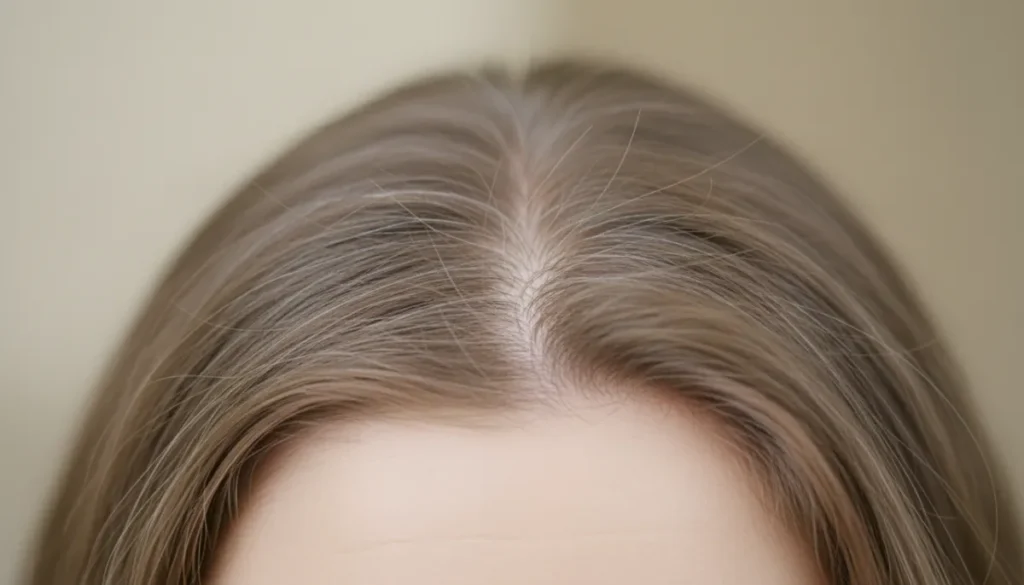
Types of Cancer‑Related Hair Loss (Alopecia)
Not all hair loss associated with cancer follows the same clinical picture. The most common forms include:
- Telogen effluvium – a temporary shedding triggered by systemic stress, such as chemotherapy or major surgery.
- Alopecia areata – an autoimmune condition that can be precipitated by immunotherapy, leading to round bald patches.
- Radiation‑induced alopecia – permanent or long‑lasting loss in the area directly exposed to radiation.
- Androgenic alopecia – pre‑existing male or female pattern baldness that may accelerate due to hormonal changes from certain therapies.
While telogen effluvium is typically reversible within six months after treatment completion, alopecia areata may persist and require targeted interventions such as topical steroids or immunomodulators. Radiation‑induced alopecia can be permanent, especially after high‑dose exposure, making early protective measures crucial.
Patients often wonder whether the hair loss is a direct effect of the cancer itself. Certain malignancies, like lymphoma, can cause systemic inflammation that disrupts the hair cycle, but this is less common than treatment‑related causes. Recognizing the specific type of alopecia guides clinicians in selecting appropriate supportive therapies.
Distinguishing Cancer‑Induced Hair Loss from Other Causes
Hair loss is a symptom with many potential origins, from genetics to lifestyle factors. To determine whether hair loss can be caused by cancer treatments, consider the following distinguishing features:
- Timing – Sudden shedding weeks after the start of chemotherapy or radiation suggests treatment‑related loss.
- Pattern – Diffuse thinning across the scalp is typical of telogen effluvium, while localized patches point to radiation or alopecia areata.
- Associated symptoms – Scalp itching, redness, or pain may indicate an inflammatory reaction rather than simple shedding.
- Medical history – A known diagnosis of cancer and a record of recent oncologic therapy strongly support a treatment link.
In contrast, androgenetic alopecia (male or female pattern baldness) develops gradually over years and follows a predictable recession pattern at the hairline and crown. Nutritional deficiencies, thyroid disorders, and severe stress can also cause diffuse thinning but usually lack the abrupt onset seen with chemotherapy.
When uncertainty persists, dermatologists can perform a scalp biopsy or trichoscopic examination to pinpoint the exact cause, ensuring that patients receive the most effective management plan.
Managing Hair Loss During Cancer Care
Coping with hair loss while undergoing cancer treatment involves both physical and emotional strategies. Patients can adopt the following measures to minimize distress and protect remaining hair:
- Scalp cooling caps – Reduce blood flow to hair follicles during chemotherapy, decreasing drug exposure and hair shedding.
- Gentle hair care – Use sulfate‑free shampoos, avoid heat styling, and limit tight hairstyles that cause traction alopecia.
- Wigs and head coverings – High‑quality synthetic or human‑hair wigs provide immediate aesthetic relief; many organizations offer financial assistance.
- Nutrition support – Adequate protein, iron, and vitamins (especially biotin and vitamin D) support follicle health.
- Medical therapies – Minoxidil or low‑dose oral finasteride may be prescribed to accelerate regrowth once treatment ends.
Psychological support is equally important. Joining support groups, speaking with a counselor, or practicing mindfulness can help patients maintain self‑esteem during a vulnerable period.
It is crucial to discuss any hair‑preserving interventions with the oncology team, as certain scalp cooling devices may not be suitable for all chemotherapy protocols.
When to Seek Professional Hair Restoration After Cancer
After completing cancer therapy, many patients wonder about the timeline for hair regrowth and whether permanent restoration is possible. Most individuals experience partial regrowth within three to six months, but factors such as radiation dose, age, and genetic predisposition influence the final outcome.
If hair does not return or regrowth is insufficient, consulting a specialized hair restoration clinic can provide options such as:
- Foliküler Ünite Ekstraksiyonu (FUE) – Harvests individual follicles from a donor area and implants them into balding zones.
- Direct Hair Implantation (DHI) – Similar to FUE but uses a specialized pen for precise placement, reducing trauma.
- Eyebrow and Beard Transplants – Reconstruct facial hair lost due to targeted therapies.
Gold City Hair, with its expertise in FUE and DHI techniques, offers personalized treatment plans for post‑cancer patients, ensuring safe timing—typically waiting at least one year after the end of radiation and confirming stable health status.
Choosing an experienced clinic that understands the medical history of cancer survivors is essential for optimal graft survival and natural‑looking results.
Why Choose Gold City Hair
Gold City Hair has been delivering advanced hair restoration solutions in Turkey since 2017. Our team combines the latest FUE ve DHI technologies with a patient‑centered approach, ensuring transparent communication and personalized care. We understand the unique concerns of individuals who have experienced cancer‑related hair loss and tailor each procedure to support safe, effective, and lasting results. Trust a clinic that prioritizes your confidence and well‑being.
Ready to restore your hair and confidence after cancer treatment? Contact Gold City Hair today for a free, no‑obligation consultation. Our experts will guide you through every step, from assessment to a customized restoration plan.
SSS
Can cancer itself cause hair loss without treatment?
Rarely, some cancers like lymphoma can cause systemic inflammation that disrupts the hair cycle, but most hair loss is treatment‑related.
What type of hair loss is most common after chemotherapy?
Telogen effluvium, a diffuse shedding caused by follicles entering the resting phase, is the most common pattern.
How effective are scalp‑cooling caps in preventing hair loss?
Scalp‑cooling caps can reduce chemotherapy‑induced hair loss by 30‑70% for many patients, but effectiveness varies by drug and treatment protocol.
When should a cancer survivor consider hair‑restoration surgery?
Typically after at least one year post‑radiation and once the patient’s health is stable, especially if natural regrowth is insufficient after six months.
Can nutrition help reduce hair loss during cancer treatment?
Adequate protein, iron, biotin, and vitamin D support follicle health and may lessen the severity of shedding.
What are the psychological impacts of cancer‑related hair loss and how can patients cope?
Hair loss can affect self‑image and confidence; coping strategies include support groups, counseling, wigs, and mindfulness practices.





