Many wonder can depression cause baldness, and the answer lies in the complex ways mental health influences hair growth. Depression can alter hormone levels, disrupt sleep, and increase physiological stress—all factors that can push hair follicles into a resting phase. In this article we examine the science, identify warning signs, and discuss practical steps you can take to protect your hair while addressing mental health.
Hair loss is a common concern, affecting up to 40 % of adults at some point in life. When it coincides with depressive episodes, the emotional impact can intensify, creating a cycle that harms both confidence and well‑being. Understanding the underlying mechanisms helps break that cycle and opens the door to effective solutions, whether through lifestyle changes or professional hair restoration.
We will explore how stress hormones, nutrient deficiencies, and conditions such as telogen effluvium connect depression to sudden shedding. You’ll also learn when to seek medical advice and what modern transplant techniques, like FUE and DHI, can offer for lasting results.
The Science Behind Stress, Depression, and Hair Growth
Depression triggers a cascade of biochemical changes that directly affect the hair growth cycle. Elevated cortisol, the primary stress hormone, shortens the anagen (growth) phase and pushes more follicles into the telogen (resting) phase. This shift often manifests as diffuse thinning or patchy loss, a pattern known as telogen effluvium. Additionally, depression can lead to poor nutrition, reduced blood flow to the scalp, and disrupted sleep—all contributors to hair weakening.
Key physiological factors include:
- Increased cortisol and adrenaline levels.
- Reduced thyroid hormone conversion, affecting hair follicle metabolism.
- Imbalance of serotonin and dopamine, which influence hair cycle regulation.
- Deficiencies in iron, zinc, and biotin due to altered appetite.
These mechanisms explain why people experiencing chronic sadness often report that “my hair is falling out in clumps” or “I notice more hair on my pillow”. Recognizing that stress hair loss and depression are intertwined empowers you to address both issues simultaneously.
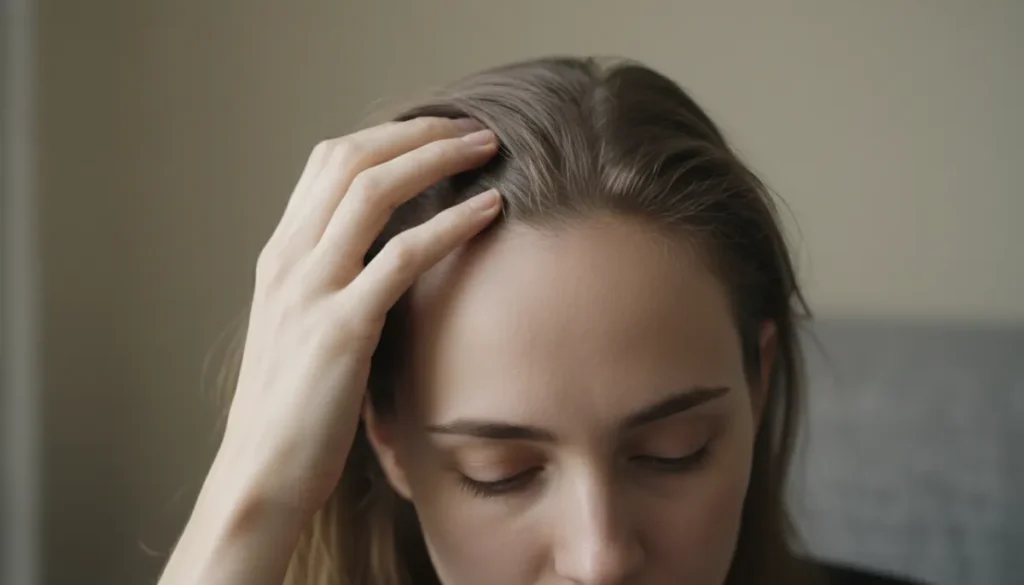
Identifying Depression-Related Hair Loss: Signs and Symptoms
Distinguishing hair loss caused by depression from other forms can be challenging, but certain patterns are indicative. Look for the following clues when evaluating whether can depression cause baldness in your case:
- Diffuse thinning across the scalp rather than distinct bald patches.
- Sudden increase in shedding, often noticed when washing or brushing hair.
- Hair loss that coincides with a depressive episode or heightened anxiety.
- Accompanying symptoms such as fatigue, changes in appetite, and sleep disturbances.
- Absence of family history of androgenetic alopecia.
When these signs appear, it’s essential to rule out other causes like hormonal disorders, medication side effects, or autoimmune conditions. A dermatologist can perform a pull test, scalp examination, and blood work to confirm whether telogen effluvium or another stress‑related process is at play.
How Telogen Effluvium Connects Depression and Sudden Hair Shedding
Telogen effluvium is the most common form of hair loss linked to emotional stress, including depression. In this condition, a larger-than‑usual number of hair follicles enter the telogen phase simultaneously, leading to noticeable shedding 2–3 months after the triggering event. The process is reversible, but recovery can take several months once the underlying stressor is managed.
Below is a comparison of telogen effluvium with other common hair‑loss types:
| Feature | Telogen Effluvium | Androgenetik Alopesi | Alopesi Areata |
|---|---|---|---|
| Primary Trigger | Physical or emotional stress (e.g., depression) | Genetic hormones (DHT) | Autoimmune attack |
| Hair Loss Pattern | Diffuse thinning, often across entire scalp | Receding hairline, vertex thinning | Round patches, sudden |
| Onset Time | 2–3 months after stressor | Gradual over years | Days to weeks |
| Recovery | Months to a year with stress reduction | Progressive, often requires treatment | Variable, may need medication |
Understanding this timeline helps patients recognize that “my hair fell out suddenly” may be a stress response rather than permanent balding. Addressing depression through therapy, medication, and lifestyle adjustments can accelerate the return of follicles to the anagen phase.
Managing Hair Loss When Dealing with Depression
Effective management requires a dual approach: treating the underlying depression and supporting hair health. Below are evidence‑based strategies that address both aspects.
Psychological Interventions
- Cognitive‑behavioral therapy (CBT) to reduce stress perception.
- Mindfulness‑based stress reduction (MBSR) for cortisol regulation.
- Medication review: some antidepressants can exacerbate hair loss; discuss alternatives with your psychiatrist.
Nutritional Support
- Increase intake of iron‑rich foods (spinach, lentils) and vitamin C for absorption.
- Supplement with biotin, zinc, and omega‑3 fatty acids if dietary intake is insufficient.
- Stay hydrated to maintain scalp elasticity.
Scalp Care Practices
- Gentle shampooing; avoid harsh chemicals that can irritate the scalp.
- Regular scalp massage to improve blood flow.
- Consider topical minoxidil under medical supervision for added support.
Combining these measures can reduce the severity of stress‑induced hair loss and create a healthier environment for regrowth. Consistency is key; noticeable improvement often appears after 3–6 months of sustained effort.
When to Seek Professional Help: Hair Restoration Options
If hair loss persists despite addressing depression and lifestyle factors, it may be time to explore medical or surgical solutions. Dermatologists can confirm whether the condition has transitioned from reversible telogen effluvium to a more permanent form such as androgenetic alopecia.
Modern hair restoration techniques offered by Gold City Hair include:
- Foliküler Ünite Ekstraksiyonu (FUE) – individual follicles are harvested and transplanted with minimal scarring.
- Direct Hair Implantation (DHI) – a refined method using a pen‑like device for precise placement.
- Eyebrow and beard transplants for patients seeking facial hair restoration.
These procedures are performed in Turkey by experienced surgeons, providing natural‑looking results and a personalized treatment plan. Prior to any surgery, a thorough evaluation ensures that mental health is stable, as optimal outcomes are linked to reduced stress levels.
Remember, asking “can depression cause baldness?” is the first step toward a comprehensive solution that addresses both your emotional well‑being and your appearance.
Why Choose Gold City Hair for Your Hair Restoration Journey
Gold City Hair has been delivering personalized hair‑restoration solutions in Turkey since 2017. Our team combines expertise in FUE, DHI, and facial‑hair transplants with a compassionate approach that respects each patient’s unique story. Transparent communication, meticulous planning, and a commitment to natural results set us apart as a trusted partner for those seeking confidence through restored hair.
Ready to regain control of your hair and confidence? Contact Gold City Hair today for a confidential consultation and discover a tailored plan that addresses both your mental well‑being and hair restoration goals.
SSS
Can depression cause baldness?
Yes, depression can lead to hair loss through hormonal changes, stress hormones, and nutrient deficiencies.
How does stress affect the hair growth cycle?
Stress increases cortisol, shortening the growth phase and extending the resting phase of hair follicles.
What is telogen effluvium and how is it linked to depression?
Telogen effluvium is a temporary shedding condition caused by stressors like depression that push hairs into the resting phase.
What treatments are effective for stress‑induced hair loss?
Combining psychological therapy, nutritional support, scalp care, and, if needed, medical options like minoxidil or hair transplantation works best.
When should I consider a hair transplant if I have depression‑related hair loss?
If shedding continues beyond 12 months despite treating depression and supportive care, a transplant may be appropriate.
Can antidepressants cause hair loss?
Some antidepressants list hair loss as a possible side effect, so medication review is important.
How long does it take for hair to regrow after telogen effluvium?
Regrowth typically begins within 3–6 months and may continue up to a year after the stressor is resolved.





