Understanding whether depression can cause hair loss in women is essential for anyone facing sudden thinning or shedding. This article examines the physiological link between mental health and hair health, outlines the most common types of hair loss associated with stress and mood disorders, and provides practical guidance for managing both conditions. Recent studies suggest that up to 30% of women experiencing chronic depression notice noticeable hair thinning within months of symptom onset. By recognizing the signs early, you can take steps to protect your follicles and restore confidence.
We will explore how hormonal changes, inflammatory responses, and lifestyle factors converge to affect the hair growth cycle. You’ll learn about telogen effluvium, the most frequent form of stress‑related shedding, and how it differs from pattern baldness. Additionally, we’ll discuss evidence‑based treatments, ranging from medical therapy to nutritional support, and when a hair transplant may be a viable solution.
Whether you’re seeking answers for yourself or supporting a loved one, this guide equips you with the knowledge to address hair loss caused by depression and to choose the right professional care.
How Depression Influences the Hair Growth Cycle
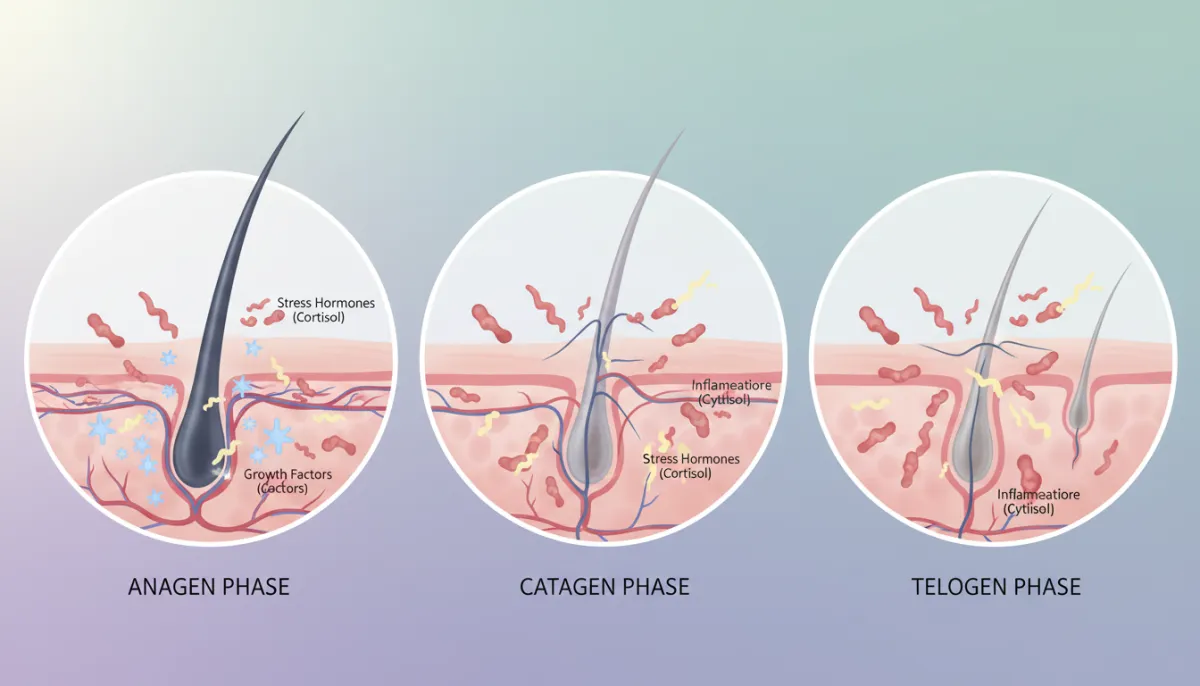
Depression triggers a cascade of physiological responses that can disrupt the normal hair growth cycle. The three primary phases—anagen (growth), catagen (transition), and telogen (resting)—are tightly regulated by hormones and cytokines. When chronic stress or depressive episodes occur, the body releases elevated cortisol and inflammatory markers, which can push a larger proportion of hairs into the telogen phase, leading to diffuse shedding.
Key mechanisms include:
- Cortisol overload: Prolonged high cortisol levels impair the scalp’s microcirculation, reducing nutrient delivery to follicles.
- Inflammatory cytokines: Interleukin‑6 and tumor necrosis factor‑α increase during depression, promoting follicular miniaturization.
- Neurotransmitter imbalance: Serotonin and dopamine fluctuations affect hair follicle stem cell activity.
These factors often result in telogen effluvium, where up to 70% of hairs shift to the resting phase within weeks of a depressive episode. Unlike androgenic alopecia, telogen effluvium typically presents as sudden, diffuse thinning rather than a receding hairline.
Identifying Depression‑Related Hair Loss Types
Not all hair loss in women stems from the same cause. Recognizing the pattern helps clinicians determine whether depression is a contributing factor.
Telogen Effluvium
Telogen effluvium is the most common form linked to emotional stress. Women often report sudden hair shedding that peaks 2–3 months after a depressive episode. The condition is usually reversible once the underlying stressor is managed.
Female Pattern Baldness (Androgenetic Alopecia)
While primarily genetic, female pattern baldness can be exacerbated by hormonal imbalances associated with chronic depression, such as elevated androgen levels. This type presents as a widening part and thinning over the crown.
Alopesi Areata
Autoimmune hair loss may flare during periods of intense emotional distress. Patches of smooth, bald skin appear abruptly, and the condition can be triggered by severe depression.
| Hair Loss Type | Typical Pattern | Connection to Depression | Recovery Outlook |
|---|---|---|---|
| Telogen Effluvium | Diffuse shedding | High cortisol, cytokine surge | Usually reversible within 6–12 months |
| Female Pattern Baldness | Thinning at crown, widening part | Hormonal dysregulation | Progressive; treatment needed |
| Alopesi Areata | Patchy bald spots | Autoimmune trigger by stress | Variable; may require immunotherapy |
Medical and Lifestyle Strategies to Combat Hair Loss Linked to Depression
Tackling hair loss caused by depression requires a dual‑approach: addressing mental health and supporting follicular health.
Psychological Interventions
Effective treatment of depression often reduces hair shedding. Options include:
- Cognitive‑behavioral therapy (CBT) to manage stress triggers.
- Medication such as selective serotonin reuptake inhibitors (SSRIs), which may also stabilize hormonal fluctuations.
- Mindfulness and relaxation techniques to lower cortisol levels.
Nutritional Support
Deficiencies in iron, zinc, vitamin D, and B‑complex vitamins can worsen hair loss. A balanced diet rich in lean proteins, leafy greens, and omega‑3 fatty acids supports both brain and hair health.
Topical and Oral Treatments
Clinically proven options include:
- Minoxidil (2% or 5%) to stimulate anagen phase.
- Low‑dose oral finasteride for women with androgenic components (under specialist supervision).
- Platelet‑rich plasma (PRP) therapy to improve scalp circulation.
When to Consider Hair Transplantation
For women with persistent thinning despite medical therapy, a hair transplant can restore density. Techniques such as Follicular Unit Extraction (FUE) and Direct Hair Implantation (DHI) offer natural‑looking results with minimal downtime.
Preventive Measures and Daily Habits
Prevention focuses on minimizing stress impact and maintaining scalp health.
- Establish a regular sleep schedule (7–9 hours) to regulate cortisol.
- Engage in moderate exercise (30 minutes most days) to boost endorphins.
- Avoid harsh hair treatments (bleaching, tight hairstyles) that can compound shedding.
- Use gentle, sulfate‑free shampoos and conditioners that nourish the scalp.
Regular check‑ups with both a mental health professional and a dermatologist or hair restoration specialist ensure that any emerging issues are caught early. Early intervention can prevent temporary telogen effluvium from progressing to chronic thinning.
Why Choose Gold City Hair
Gold City Hair combines advanced medical expertise with a personalized approach to hair restoration. Since 2017, we have helped countless women overcome hair loss caused by hormonal changes, stress, and depression. Our clinic in Turkey offers state‑of‑the‑art FUE and DHI procedures performed by certified surgeons, ensuring natural‑looking results and lasting confidence. We prioritize transparent communication, comprehensive pre‑operative assessments, and after‑care support to guide you through every step of your journey.
Ready to restore your hair and confidence? Contact Gold City Hair today for a personalized consultation and discover how our tailored solutions can help you overcome depression‑related hair loss.
Take the first step toward a fuller, healthier head of hair—schedule your appointment now.
SSS
Can depression cause hair loss in women?
Yes, depression can trigger hair loss in women, primarily through stress‑related mechanisms such as telogen effluvium.
What is telogen effluvium and how is it linked to depression?
Telogen effluvium is a stress‑induced shedding condition where many hairs enter the resting phase, often triggered by depression.
How does cortisol affect the hair growth cycle?
High cortisol impairs scalp blood flow and pushes follicles into the telogen phase, leading to increased shedding.
What treatments are effective for depression‑related hair loss?
Combining psychological therapy, nutritional support, and FDA‑approved hair products like minoxidil yields the best results.
When should a woman consider a hair transplant for depression‑induced thinning?
If shedding persists beyond 12 months despite medical therapy and the depressive condition is well‑controlled, a transplant may be appropriate.
How can lifestyle changes help prevent hair loss caused by depression?
Regular sleep, exercise, stress‑reduction practices, and gentle hair care can mitigate the impact of depression on hair follicles.