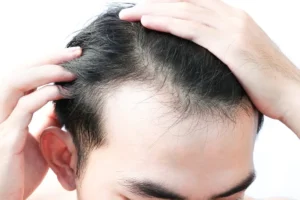
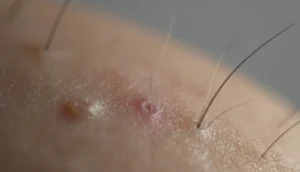
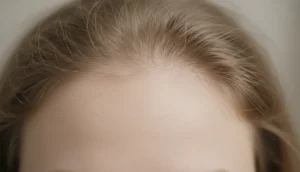
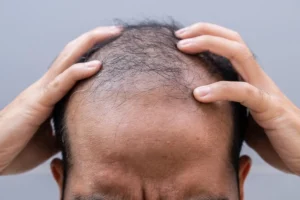
Many people ask themselves whether can hair regrow after thinning and wonder what steps can truly make a difference. Hair thinning is a common concern that affects both men and women, often leading to reduced confidence and anxiety about appearance. In this article we will examine the biological reasons behind thinning hair, explore natural and medical options for regrowth, and explain when a professional hair transplant may be the most effective solution.
According to recent dermatology studies, up to 40 % of adults experience noticeable hair thinning by the age of 35. This statistic highlights how prevalent the issue is and why understanding the underlying mechanisms is essential for anyone considering treatment.
We will cover the main causes of hair thinning, the realistic expectations for regrowth, lifestyle adjustments that support hair health, and the advanced procedures offered by Gold City Hair that can restore a fuller look.
Understanding Hair Thinning and Its Causes
Hair thinning occurs when the growth phase of the hair cycle shortens, or when follicles enter a prolonged resting state. Several factors can trigger this process, and identifying the root cause is the first step toward effective treatment.
Common Types of Hair Thinning
- Androgenetic alopecia – often called male or female pattern baldness, driven by genetics and hormones.
- Telogen effluvium – a temporary shedding phase caused by stress, illness, or hormonal changes.
- Alopecia areata – an autoimmune condition that leads to patchy hair loss.
- Scarring alopecia – permanent loss due to inflammation or injury.
Other contributors include nutritional deficiencies, thyroid disorders, and certain medications. Understanding whether your thinning is related to alopecia, hormonal imbalance, or lifestyle factors will guide the appropriate intervention.
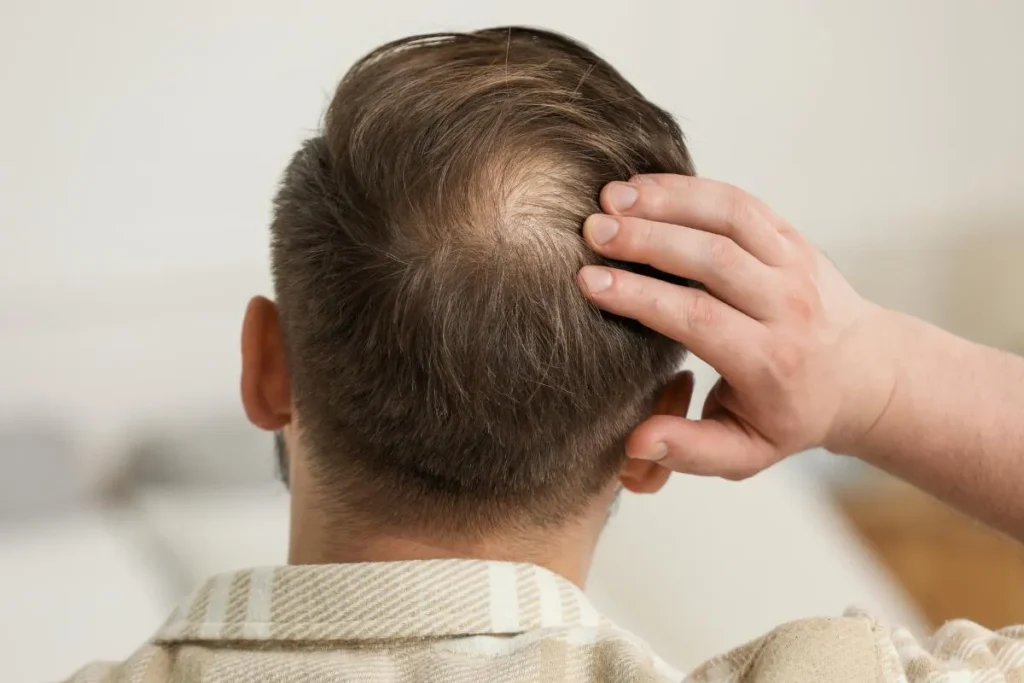
Natural Regrowth Possibilities and Early Interventions
When you wonder can hair regrow after thinning without surgery, the answer often lies in early, targeted interventions. The scalp’s ability to regenerate depends on the health of existing follicles and the presence of essential nutrients.
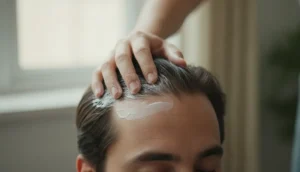
Topical Treatments
Two of the most studied topical agents are minoxidil ve finasteride. Minoxidil widens blood vessels, improving nutrient delivery, while finasteride blocks DHT conversion, a key hormone in androgenetic alopecia.
Supplements and Diet
Hair growth supplements containing biotin, zinc, and vitamin D can address deficiencies that impede follicle function. A balanced diet rich in protein, omega‑3 fatty acids, and antioxidants also supports natural regrowth.
| Treatment | Mechanism | Typical Results |
|---|---|---|
| Minoxidil (5 %) | Vasodilation, prolongs anagen phase | Visible thickening in 3–6 months |
| Finasteride (1 mg) | DHT inhibition | Stabilizes loss, modest regrowth in 6–12 months |
| Biotin Supplement | Supports keratin production | Improves strength, limited regrowth alone |
While these options can stimulate new growth, they work best when the follicles are still viable. If you have been experiencing thinning for several years, the likelihood of significant regrowth diminishes, prompting the need for more advanced solutions.
When Medical Treatments Are Needed
If you have asked yourself can hair regrow after thinning and found that natural methods are insufficient, medical interventions may be the next step. Modern hair restoration offers several minimally invasive options before considering a full transplant.
Procedural Options
- Platelet‑Rich Plasma (PRP) therapy – uses your own blood platelets to stimulate follicle activity.
- Low‑Level Laser Therapy (LLLT) – promotes cellular metabolism in the scalp.
- Hair transplant techniques – Follicular Unit Extraction (FUE) and Direct Hair Implantation (DHI) provide permanent, natural‑looking results.
Among these, a hair transplant is the most reliable method when the follicles have become permanently dormant. Gold City Hair specializes in FUE and DHI, ensuring high graft survival rates and minimal scarring.
| Procedure | Invasiveness | Recovery Time | Typical Success Rate |
|---|---|---|---|
| PRP Therapy | Low | 1–2 days | 30‑40 % noticeable thickening |
| LLLT | Low | None | 10‑20 % improvement |
| FUE/DHI Transplant | Moderate | 7‑10 days | 90‑95 % graft survival |
These procedures can be combined with topical agents for optimal outcomes. For example, using minoxidil after a transplant can accelerate graft maturation and improve density.
Lifestyle Changes That Support Hair Health
Even if you wonder can hair regrow after thinning through lifestyle adjustments alone, the answer is that supportive habits can significantly boost the effectiveness of any treatment.
Key Habits
- Maintain a protein‑rich diet – hair is primarily made of keratin, a protein.
- Manage stress – chronic stress elevates cortisol, which can push follicles into telogen phase.
- Ensure adequate sleep – 7‑9 hours per night supports hormonal balance.
- Avoid harsh styling – excessive heat and tight hairstyles cause mechanical damage.
- Protect scalp from UV exposure – use hats or sunscreen sprays.
Regular exercise improves circulation, delivering oxygen and nutrients to the scalp. Additionally, staying hydrated helps keep the skin and follicles supple.
Frequently Overlooked Factors and Common Myths
Many people still ask can hair regrow after thinning while being misled by myths that can delay proper treatment. Let’s clarify a few common misconceptions.
Myth 1: Shaving Makes Hair Grow Faster
Shaving only affects the visible shaft; it does not influence the growth cycle of the follicle. Growth speed is determined by genetics and health.
Myth 2: All Hair Loss Is Permanent
While scarring alopecia is irreversible, the majority of thinning—especially androgenetic alopecia and telogen effluvium—can be managed and, in many cases, partially reversed with appropriate therapy.
Myth 3: Over‑the‑counter Products Are a Miracle Cure
Products without clinically proven ingredients may improve hair texture but rarely stimulate new follicle growth. Look for FDA‑approved or scientifically validated ingredients such as minoxidil or finasteride.
Understanding these realities helps you set realistic expectations and choose evidence‑based treatments.
Why Choose Gold City Hair
Gold City Hair has been delivering personalized hair restoration solutions in Turkey since 2017. Our clinic combines the latest FUE and DHI techniques with a transparent, patient‑focused approach. Every treatment plan is tailored to your unique pattern of thinning, ensuring natural‑looking results and lasting confidence.
Ready to discover if your hair can regrow after thinning? Contact Gold City Hair today for a free, no‑obligation consultation and take the first step toward a fuller, healthier scalp.
Call now or fill out our online form to schedule your personalized assessment.
SSS
Can hair regrow after thinning without surgery?
Yes, early-stage thinning can often be improved with topical treatments, supplements, and lifestyle changes.
What are the most effective natural treatments for hair thinning?
Topical minoxidil, biotin‑rich supplements, and a balanced diet high in protein and omega‑3s are the most evidence‑based natural options.
How does minoxidil work to promote hair regrowth?
Minoxidil widens scalp blood vessels, increasing nutrient delivery and extending the hair’s growth phase.
When is a hair transplant the best option for thinning hair?
A transplant is ideal when follicles are permanently dormant and non‑surgical methods no longer yield results.
What lifestyle changes can support hair regrowth?
A protein‑rich diet, stress reduction, adequate sleep, gentle hair care, and scalp protection are key.
Are PRP and low‑level laser therapy effective for hair thinning?
Both can improve density, especially when combined with topical treatments, but results vary.
How long does it take to see results from hair regrowth treatments?
Visible improvements usually appear within 3‑6 months for topicals and 6‑12 months for oral medications; surgical results emerge after 9‑12 months.