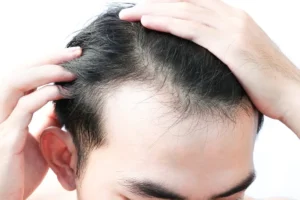
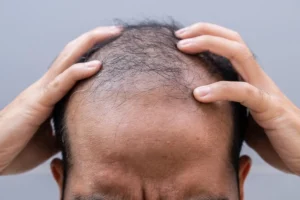
Many wonder can magnesium cause hair loss, and the answer isn’t always straightforward. Magnesium is essential for over 300 biochemical reactions, yet both deficiency and excess can influence the health of your scalp and follicles. Understanding the connection helps you decide whether a supplement, diet change, or professional treatment is the right step.
Hair loss affects up to 40 % of adults worldwide, and while genetics play a major role, nutritional factors often go unnoticed. Recent studies suggest that mineral imbalances, including magnesium, may trigger shedding or hinder regrowth. This article explores how magnesium interacts with hair biology, the warning signs of imbalance, and practical ways to maintain optimal levels.
We’ll also compare magnesium with other nutrients—like vitamin D, iron, and zinc—that are commonly linked to hair health. By the end, you’ll have a clear picture of whether magnesium is a culprit in your hair loss journey and what steps you can take next.
Understanding Magnesium’s Role in the Body
Magnesium is a mineral that supports nerve function, muscle relaxation, and energy production. It acts as a co‑factor for enzymes involved in protein synthesis, DNA repair, and the regulation of calcium—processes that are vital for healthy hair follicles.
- Energy metabolism: Magnesium helps convert food into ATP, the energy currency cells need for growth.
- Protein synthesis: Hair is made primarily of keratin, a protein that requires magnesium‑dependent enzymes for its formation.
- Stress response: Adequate magnesium can lower cortisol levels, reducing stress‑related hair shedding.
Below is a quick reference of magnesium’s key functions related to hair health:
| Function | Impact on Hair |
|---|---|
| Cellular energy (ATP) | Supports follicle activity and growth cycles |
| Protein synthesis | Ensures strong keratin formation |
| Hormone regulation | Balances DHT levels that can affect androgenic alopecia |
| Stress modulation | Reduces telogen (resting) phase triggers |
While magnesium is crucial, it does not act in isolation. Interactions with calcium, vitamin D, and zinc can amplify or diminish its effects on hair follicles.

How Magnesium Levels Affect Hair Follicles
Both low and high magnesium levels can disturb the delicate balance required for robust hair growth. When magnesium is insufficient, the body may struggle to maintain proper calcium balance, leading to follicle miniaturization. Conversely, excessive magnesium can interfere with the absorption of other essential minerals, such as iron and zinc, which are directly linked to hair density.
Low Magnesium and Hair Shedding
Symptoms of magnesium deficiency often include muscle cramps, fatigue, and irritability—conditions that can indirectly cause hair to enter the telogen phase prematurely. Research shows that individuals with chronic low magnesium may experience increased shedding, especially when coupled with vitamin D deficiency.
Excess Magnesium and Nutrient Competition
High magnesium intake, particularly from laxatives or overly fortified supplements, can reduce the bioavailability of iron. Since iron is vital for oxygen transport to hair follicles, its deficiency may manifest as diffuse thinning. This interaction explains why some users of magnesium‑rich multivitamins report “new” hair loss.
Key points to remember:
- Balance is essential—neither too low nor too high magnesium levels are ideal.
- Monitor other nutrients, especially iron and vitamin D, when adjusting magnesium intake.
- Consider a blood test to confirm your magnesium status before making changes.
Below is a comparative table illustrating the hair‑related outcomes of different magnesium statuses:
| Magnesium Status | Hair Impact | Associated Symptoms |
|---|---|---|
| Deficient | Increased shedding, slower regrowth | Muscle cramps, fatigue, irritability |
| Optimal | Healthy growth cycle, stronger strands | Normal energy levels |
| Excessive | Potential thinning due to mineral competition | Diarrhea, low blood pressure |
Signs of Magnesium Deficiency and Excess
Identifying whether magnesium is the root cause of hair loss begins with recognizing its systemic signs. Below are the most common indicators for both deficiency and excess, paired with related hair concerns.
Deficiency Indicators
- Muscle twitches or cramps
- Persistent fatigue or low energy
- Irregular heart rhythm
- Hair that feels brittle and breaks easily
- Increased shedding during seasonal changes
Excess Indicators
- Loose stools or diarrhea
- Low blood pressure
- Feeling unusually relaxed or drowsy
- Hair that appears thin despite a healthy diet
- Possible interference with absorption of iron and zinc
Because many of these symptoms overlap with other health issues, a comprehensive blood panel is the most reliable way to pinpoint magnesium levels. Pair this test with a review of your diet—especially intake of hair growth vitamins such as biotin, vitamin D, and iron tablets—to get a full picture.
Below is a checklist you can use to evaluate your situation before consulting a professional:
- Do you experience frequent muscle cramps?
- Is your energy consistently low?
- Have you noticed sudden, unexplained hair shedding?
- Do you take magnesium supplements or consume high‑magnesium foods daily?
- Have you had recent blood work showing abnormal magnesium, calcium, or iron levels?
Balancing Magnesium with Other Nutrients for Healthy Hair
Magnesium does not act alone; its effectiveness for hair health is amplified when paired with a balanced intake of other micronutrients. Below are proven combinations that support follicle vitality.
Magnesium and Vitamin D
Vitamin D facilitates magnesium absorption, and together they regulate calcium metabolism. Low vitamin D is a known factor in hair loss, so ensuring adequate sunlight exposure or supplementation can improve magnesium utilization.
Magnesium and Iron
Iron transports oxygen to the hair matrix. Excessive magnesium may hinder iron absorption, so if you’re taking iron tablets for hair loss, monitor magnesium intake to avoid competition.
Magnesium and Zinc
Zinc plays a role in DNA synthesis and cell division in hair follicles. A balanced magnesium‑zinc ratio helps maintain the anagen (growth) phase and prevents premature shedding.
Here’s a simple weekly supplement guide for those looking to optimize hair health:
| Day | Supplement | Dosage | Notes |
|---|---|---|---|
| Monday | Magnesium glycinate | 200 mg | Take with dinner |
| Tuesday | Vitamin D3 | 1000 IU | Morning, with fat |
| Wednesday | Iron bisglycinate | 18 mg | Empty stomach, separate from magnesium |
| Thursday | Zinc picolinate | 15 mg | Evening |
| Friday | Biotin | 5000 µg | With any meal |
| Saturday | Magnesium citrate | 200 mg | After workout |
| Sunday | Rest | – | Hydrate, balanced diet |
Remember, individual needs vary. Consulting a healthcare professional before starting any supplement regimen is essential, especially if you have underlying conditions or are taking medication.
When to Seek Professional Help for Hair Loss
If you’ve evaluated your magnesium intake, balanced your diet, and still notice persistent thinning, it may be time to explore clinical options. Hair loss can stem from hormonal imbalances, genetic patterns, or scalp conditions that require targeted treatment.
Key indicators that professional assessment is warranted include:
- Sudden, rapid hair loss over weeks
- Receding hairline or widening part despite lifestyle changes
- Scalp inflammation, redness, or persistent itching
- Family history of androgenic alopecia
- Failed response to nutritional adjustments after three months
At Gold City Hair, our team offers state‑of‑the‑art hair restoration techniques such as FUE, DHI, and eyebrow or beard transplants. We begin with a comprehensive evaluation—including mineral panels, hormonal tests, and scalp analysis—to craft a personalized plan that may combine medical therapy, surgical options, and lifestyle guidance.
Choosing a reputable clinic ensures you receive transparent communication, individualized care, and results that align with your confidence goals.
Why Choose Gold City Hair
Gold City Hair has been delivering personalized hair restoration solutions in Turkey since 2017. Our expert team specializes in FUE, DHI, and facial hair transplants, ensuring each patient receives a tailored approach based on their unique needs. Transparent communication, state‑of‑the‑art facilities, and a commitment to natural‑looking results set us apart as a trusted partner in your journey to renewed confidence.
Ready to stop wondering can magnesium cause hair loss and start seeing real results? Contact Gold City Hair today for a free consultation and discover the most effective path to fuller, healthier hair.
SSS
Can magnesium cause hair loss?
Both low and high magnesium levels can contribute to hair shedding, but the relationship depends on overall nutrient balance.
What are the signs of magnesium deficiency related to hair?
Symptoms include muscle cramps, fatigue, brittle hair, and increased shedding, especially during seasonal changes.
How does excess magnesium affect hair health?
Too much magnesium can reduce iron and zinc absorption, leading to nutrient competition and potential hair thinning.
How can I balance magnesium with other nutrients for optimal hair growth?
Combine magnesium with vitamin D, iron, and zinc, and follow a balanced supplement schedule to avoid competition.
What tests can determine my magnesium levels?
A serum magnesium blood test, often part of a comprehensive mineral panel, is the standard method.
When should I see a professional for hair loss?
Seek a specialist if you experience rapid thinning, a receding hairline, scalp inflammation, or no improvement after three months of nutritional changes.