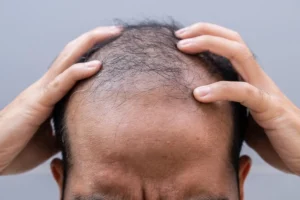
Many wonder if can male pattern hair loss be reversed, and the answer lies in understanding the science behind hair growth, the range of treatments available, and realistic expectations. While genetics play a major role, modern medicine offers several pathways to halt or even regrow thinning hair. This article breaks down the biology of androgenetic alopecia, reviews non‑surgical options, explains advanced transplant techniques, and highlights lifestyle habits that support healthier follicles.
According to recent dermatology studies, up to 70% of men experience noticeable thinning by age 35, making early intervention crucial. By exploring the mechanisms of hair loss and the tools at our disposal, you can make informed decisions about preserving your hair and confidence.
We’ll also discuss why a reputable clinic like Gold City Hair can be a decisive factor in achieving lasting results, especially when surgical restoration is considered.
Erkek Tipi Kelliği Anlamak
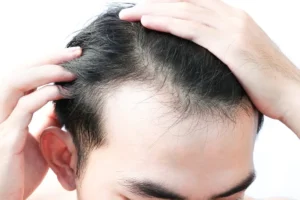
Male pattern baldness, medically known as androgenetic alopecia, is driven by a combination of genetics and the hormone dihydrotestosterone (DHT). DHT binds to receptors in hair follicles, shortening the growth phase (anagen) and miniaturizing the strands over time. This process typically follows a predictable pattern: receding hairline, thinning crown, and eventual bald spots.
Key factors influencing the condition include:
- Family history and inherited susceptibility
- Hormonal fluctuations, especially elevated DHT levels
- Age‑related changes in follicle health
Understanding these drivers helps clinicians select targeted therapies. While the phrase “can male pattern hair loss be reversed” suggests a complete cure, the realistic goal is to stop progression and stimulate regrowth where follicles remain viable.
| Stage | Typical Signs | Recommended First‑Line Action |
|---|---|---|
| Stage I | Receding hairline at temples | Topical minoxidil, lifestyle adjustments |
| Stage II | Thinning crown, early vertex loss | Finasteride, minoxidil combination |
| Stage III | Significant balding, limited follicle density | Consider hair transplant evaluation |
Non‑Surgical Options: Medications and Topical Treatments
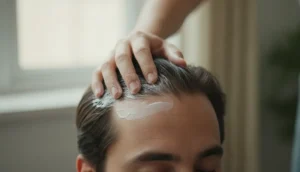
When asking can male pattern hair loss be reversed, many first explore pharmaceutical routes. Two of the most evidence‑based treatments are finasteride and minoxidil. Finasteride, an oral 5‑alpha‑reductase inhibitor, reduces DHT production, slowing follicle miniaturization. Minoxidil, a topical vasodilator, prolongs the anagen phase and can increase follicle size.
Additional options include:
- Low‑level laser therapy (LLLT) – stimulates cellular activity in the scalp.
- Platelet‑rich plasma (PRP) injections – delivers growth factors to dormant follicles.
- Hair growth supplements – contain biotin, zinc, and saw‑palmetto to support overall scalp health.
Clinical trials report that consistent use of finasteride and minoxidil together yields the highest regrowth rates, with visible improvements in 6–12 months for many patients. However, results vary based on individual sensitivity and the extent of follicle loss.
It’s essential to consult a qualified dermatologist before starting any medication, as side effects such as sexual dysfunction (with finasteride) or scalp irritation (with minoxidil) can occur.
Advanced Hair Restoration: FUE and DHI Transplants
For men asking whether can male pattern hair loss be reversed through surgery, follicular unit extraction (FUE) and direct hair implantation (DHI) are the leading techniques. Both methods relocate healthy donor follicles—usually from the back of the scalp—to balding areas, providing permanent, natural‑looking results.
Key differences:
- FUE extracts individual follicular units using a micro‑punch, leaving tiny dot‑like scars.
- DHI utilizes a Choi implanter pen that places grafts directly without creating recipient sites first, potentially reducing handling time.
Success rates for FUE and DHI exceed 90% when performed by experienced surgeons. Patients typically see new hair growth within 3–4 months, with full density developing by 12–18 months.
| Feature | FUE | DHI |
|---|---|---|
| Extraction Method | Micro‑punch device | Choi pen with simultaneous implantation |
| Recipient Site Creation | Separate incision step | Implanted directly, no pre‑made incisions |
| Recovery Time | 5‑7 days | 4‑6 days |
Choosing the right technique depends on scalp laxity, desired density, and surgeon expertise. At Gold City Hair, both FUE and DHI are performed by certified specialists using state‑of‑the‑art equipment, ensuring optimal graft survival.
Lifestyle Factors and Natural Remedies That Support Hair Growth
Even with medical therapies, lifestyle choices can influence whether can male pattern hair loss be reversed to a noticeable degree. A holistic approach often yields the best outcomes.
Consider the following evidence‑based habits:
- Beslenme – Adequate protein, iron, and omega‑3 fatty acids are vital for keratin production. Foods like salmon, spinach, and legumes support follicle health.
- Stress Management – Chronic stress elevates cortisol, which can exacerbate hair shedding. Practices such as meditation, yoga, or regular exercise help maintain hormonal balance.
- Scalp Care – Gentle massage increases blood flow, delivering nutrients to hair roots. Using a mild sulfate‑free shampoo prevents irritation.
- Avoid Harmful Habits – Smoking reduces microcirculation, and excessive alcohol can deplete essential vitamins.
Some natural extracts, like saw‑palmetto, pumpkin seed oil, and caffeine‑infused shampoos, have shown modest benefits in reducing DHT activity. While these are not replacements for FDA‑approved treatments, they can complement a broader regimen.
Consistency is key; visible improvements typically require 3–6 months of sustained effort.
Setting Realistic Expectations: What Can Be Reversed and What Requires Transplant
Answering the core question—can male pattern hair loss be reversed—requires nuance. Early‑stage thinning can often be halted and partially regrown with medication, laser therapy, and lifestyle changes. However, once follicles are fully miniaturized or destroyed, non‑surgical methods have limited impact.
Patients should assess their own situation based on:
- Age and duration of hair loss
- Density of donor area (usually the occipital scalp)
- Response to prior medical treatments
For many, the optimal path combines a short course of finasteride and minoxidil to stabilize loss, followed by a personalized FUE or DHI transplant to restore density. This hybrid approach maximizes natural regrowth while addressing irreversible bald spots.
Consultation with an experienced hair restoration specialist is essential to create a tailored plan, set achievable goals, and understand the timeline for visible results.
Why Choose Gold City Hair for Your Hair Restoration
Gold City Hair has been delivering personalized hair restoration solutions in Turkey since 2017. Our clinic specializes in FUE ve DHI techniques, offering state‑of‑the‑art facilities, certified surgeons, and a transparent, patient‑focused process. We prioritize natural‑looking outcomes, minimal downtime, and ongoing support throughout your journey to renewed confidence.
Ready to take the next step toward a fuller head of hair? Contact Gold City Hair today for a free, no‑obligation consultation and discover the most effective plan for your unique needs.
Regain confidence, restore your look, and start your transformation now.
SSS
Can male pattern hair loss be reversed?
It can be slowed and partially regrown in early stages, but complete reversal is unlikely once follicles are fully miniaturized.
What non‑surgical treatments are available for male pattern baldness?
Finasteride, minoxidil, low‑level laser therapy, PRP injections, and hair‑growth supplements are the main non‑surgical options.
How effective is the combination of finasteride and minoxidil?
Clinical studies show the combination yields higher regrowth rates than either product alone, with visible improvement in many patients within 6–12 months.
What are the key differences between FUE and DHI hair transplants?
FUE extracts individual grafts with a micro‑punch, while DHI uses a Choi pen to implant grafts directly without pre‑made recipient sites.
Which lifestyle changes can support hair growth?
Balanced nutrition, stress management, regular scalp massage, avoiding smoking, and limiting alcohol improve hair health.
When is a hair transplant the recommended option?
When hair loss has progressed to moderate or advanced stages and non‑surgical methods no longer produce noticeable regrowth.