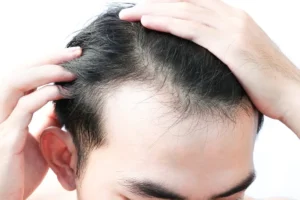
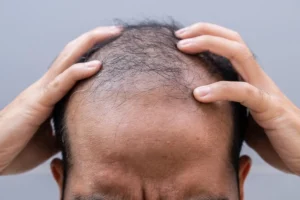
Many patients wonder can omeprazole cause hair loss when they notice unexpected thinning after starting the medication. Omeprazole, a widely prescribed proton‑pump inhibitor (PPI), is primarily used to reduce stomach acid and treat conditions such as gastroesophageal reflux disease (GERD) and ulcers. While it is effective for these digestive issues, concerns about its impact on hair health have prompted a closer look at its side‑effect profile.
According to clinical reports, hair loss is listed among the less common but possible omeprazole side effects. Understanding why this happens, who might be at risk, and what steps can be taken is essential for anyone experiencing sudden hair shedding while on the drug. In this article we will explore the scientific evidence, discuss related factors, and provide practical guidance on managing hair loss that may be linked to omeprazole use.
Hair loss can affect confidence and quality of life, especially when it occurs unexpectedly. By the end of this guide you will know whether can omeprazole cause hair loss is likely in your case, how to differentiate medication‑induced shedding from other causes, and what options are available if you need to restore your hair.
Understanding Omeprazole and Its Common Uses
Omeprazole belongs to the class of drugs known as proton‑pump inhibitors. It works by irreversibly blocking the H⁺/K⁺‑ATPase enzyme system in the gastric parietal cells, thereby reducing the production of stomach acid. This mechanism makes it effective for treating GERD, peptic ulcers, and Zollinger‑Ellison syndrome.
Typical dosages range from 20 mg to 40 mg daily, and many patients use the medication for months or even years. While the primary goal is to alleviate acid‑related discomfort, the drug’s systemic effects can sometimes manifest in other parts of the body.
Common Side Effects of Omeprazole
- Headache
- Nausea or vomiting
- Diarrhea or constipation
- Abdominal pain
- Vitamin B12 deficiency with long‑term use
Rare but Notable Reactions
| Side Effect | Incidence | Notes |
|---|---|---|
| Hair loss (alopecia) | Rare (<1%) | Often reversible after discontinuation |
| Rash or itching | Uncommon | May indicate an allergic reaction |
| Kidney inflammation | Very rare | Requires immediate medical attention |
Because hair loss is listed among the rare side effects, patients and clinicians should keep an eye on any sudden shedding, especially if it coincides with the start of therapy. The question can omeprazole cause hair loss often arises when individuals notice diffuse thinning rather than patterned baldness.

The Link Between Omeprazole and Hair Loss
Research on the relationship between omeprazole and hair loss is limited, but several case reports and pharmacovigilance databases have documented instances where patients experienced alopecia after initiating therapy. While causality can be difficult to prove, the timing of symptoms and the reversal of hair shedding after discontinuation suggest a possible connection.
One proposed mechanism involves the drug’s impact on nutrient absorption. Omeprazole can reduce the stomach’s acidity, which may impair the absorption of minerals such as zinc and iron—both essential for healthy hair growth. Additionally, long‑term use has been associated with vitamin B12 deficiency, another factor linked to hair thinning.
Key Findings from Clinical Observations
- Onset of hair shedding typically occurs 2–4 months after starting omeprazole.
- Hair loss is usually diffuse rather than localized to a specific pattern.
- Discontinuation or switching to an alternative PPI often results in gradual hair regrowth within 3–6 months.
It is also important to consider that omeprazole side effects can include constipation, which itself may affect scalp health by altering gut microbiota and systemic inflammation. Therefore, the question can omeprazole cause hair loss should be examined alongside other possible contributors such as diet, stress, and underlying medical conditions.
Other Factors That May Contribute to Hair Loss While Using Omeprazole
Even if omeprazole plays a role, other variables often influence hair health. Understanding these factors can help you determine whether the medication is the primary cause or part of a broader picture.
Nutrient Absorption Issues
Reduced stomach acidity can hinder the uptake of:
- Iron – essential for oxygen transport to hair follicles.
- Zinc – supports keratin production and hair shaft strength.
- Vitamin B12 – deficiency can lead to premature graying and shedding.
If you suspect a deficiency, a simple blood test can confirm levels, and supplementation may mitigate hair loss without stopping the medication.
Stress and Underlying Health Conditions
Stress, hormonal fluctuations, thyroid disorders, and autoimmune diseases are well‑known triggers of telogen effluvium, a temporary form of diffuse hair shedding. When omeprazole is taken alongside these conditions, the combined effect can amplify hair loss.
Furthermore, some patients report that other medications—such as wellbutrin or lexapro—also have hair‑related side effects. Keeping a comprehensive medication list helps clinicians identify potential interactions that could exacerbate alopecia.
Managing Hair Loss If You Suspect Omeprazole Is the Cause
If you notice thinning hair after starting omeprazole, the first step is to discuss your concerns with a healthcare professional. They can assess whether the drug is the likely culprit and recommend appropriate actions.
Practical Steps to Take
- Medical Evaluation: Request a full review of your medication list and a blood panel to check for deficiencies.
- Medication Adjustment: Your doctor may suggest switching to another PPI such as pantoprazole or a histamine‑2 blocker like ranitidine, which have different side‑effect profiles.
- Nutrient Supplementation: If labs reveal low iron, zinc, or B12, targeted supplements can restore balance.
- Topical Treatments: Minoxidil (Rogaine) is an FDA‑approved topical solution that can promote regrowth during the recovery period.
- Lifestyle Support: A balanced diet rich in protein, omega‑3 fatty acids, and antioxidants supports overall hair health.
Alternative Acid‑Reducing Options
| Medication | Class | Typical Side Effects |
|---|---|---|
| Pantoprazole | PPI | Headache, nausea, rare hair loss |
| Ranitidine | H2 blocker | Dry mouth, dizziness |
| Famotidine | H2 blocker | Constipation, headache |
Switching medications does not guarantee that hair loss will stop, but many patients report improvement after moving away from omeprazole. Keep in mind that the question can omeprazole cause hair loss does not have a one‑size‑fits‑all answer; individual response varies.
When to Seek Professional Hair Restoration Help
If hair loss persists despite medication changes, supplementation, and topical therapy, it may be time to explore restorative solutions. Modern hair transplantation techniques can effectively address thinning caused by medication‑induced alopecia.
Gold City Hair specializes in advanced procedures such as Follicular Unit Extraction (FUE) and Direct Hair Implantation (DHI). These methods provide natural‑looking results with minimal downtime, making them suitable for patients who have exhausted medical options.
What to Expect from a Hair Transplant
- Personalized assessment of donor area and hair density.
- Selection of the most appropriate technique (FUE or DHI) based on individual scalp characteristics.
- Post‑procedure care plan to ensure optimal graft survival.
- Long‑term follow‑up to monitor growth and address any concerns.
Choosing a reputable clinic ensures that you receive care from experienced surgeons who understand the nuances of medication‑related hair loss. Restoring your hair can not only improve appearance but also boost confidence and overall well‑being.
Why Choose Gold City Hair
Gold City Hair has been delivering personalized hair restoration solutions since 2017. Our team combines expertise in FUE, DHI, and eyebrow/beard transplants with a commitment to transparent communication and patient‑centered care. Whether your hair loss stems from medication, genetics, or other factors, we tailor each treatment plan to achieve natural, lasting results.
Ready to restore your confidence? Contact Gold City Hair today for a free consultation and discover how our advanced hair transplant techniques can give you the full, healthy hair you deserve.
SSS
Can omeprazole cause hair loss?
Yes, hair loss is listed as a rare side effect of omeprazole, occurring in less than 1% of users.
How common is hair loss as a side effect of omeprazole?
Hair loss is considered a rare side effect, reported in fewer than 1% of patients.
What nutrients affected by omeprazole could lead to hair thinning?
Omeprazole can reduce absorption of iron, zinc, and vitamin B12, all important for hair health.
How long does it take for hair to regrow after stopping omeprazole?
Hair typically begins to regrow within 3–6 months after discontinuation.
What alternative medications can I use instead of omeprazole to avoid hair loss?
Pantoprazole, ranitidine, and famotidine are common alternatives with lower reported hair‑loss rates.
When should I consider a hair transplant for medication‑induced hair loss?
Consider a transplant if hair loss persists after medication changes, supplementation, and topical treatments for 12 months.