For many patients, chemo hair loss stages are a source of anxiety that can affect confidence and emotional well‑being. Chemotherapy targets rapidly dividing cells, and hair follicles are among the most vulnerable. Knowing what to expect during each phase helps you prepare mentally and physically, and it also enables you to take proactive steps that may lessen discomfort. In fact, up to 65% of people undergoing chemotherapy report noticeable hair shedding within the first few weeks of treatment. This article walks you through the typical progression—from early shedding to full regrowth—while highlighting practical strategies and answering common questions such as how long does it take for hair to grow back after chemotherapy.
We will examine the biological mechanisms behind each stage, discuss how radiation therapy can intersect with hair loss, and provide evidence‑based recommendations for scalp care, nutrition, and emotional support. By the end of this guide, you’ll have a clearer picture of the timeline you might experience and the resources available to help you navigate this challenging journey.
Whether you are currently receiving treatment, planning for future cycles, or supporting a loved one, understanding the phases of chemo‑induced hair loss empowers you to make informed decisions and maintain hope for healthy regrowth.
Stage 1: Early Shedding and Its Triggers
The first early shedding phase typically begins 2–4 weeks after the initial chemotherapy infusion. During this window, patients notice fine hairs loosening from the scalp, eyebrows, and sometimes body hair. This phenomenon occurs because chemotherapy drugs interrupt the anagen (growth) phase of the hair cycle, pushing follicles into the catagen (transition) and telogen (resting) phases.
Why hair starts to fall during chemotherapy
Several factors influence the speed and severity of early shedding:
- Type of chemotherapeutic agent – alkylating agents (e.g., cyclophosphamide) often cause faster hair loss than taxanes.
- Dosage intensity – higher cumulative doses increase the likelihood of rapid shedding.
- Individual genetics – some people have follicles that are more resistant to drug exposure.
- Concurrent radiation therapy – does radiation cause hair loss on its own, and when combined with chemo, the effect can be amplified.
Below is a comparison of common chemotherapy classes and the typical onset of early shedding:
| Drug Class | Representative Drugs | Typical Onset of Early Shedding |
|---|---|---|
| Alkylating Agents | Cyclophosphamide, Ifosfamide | 2–3 weeks |
| Anthracyclines | Doxorubicin, Epirubicin | 3–4 weeks |
| Taxanes | Paclitaxel, Docetaxel | 3–5 weeks |
| Platinum Compounds | Cisplatin, Carboplatin | 4–6 weeks |
During this stage, many patients ask, “does radiation therapy make you lose your hair?” The answer depends on the radiation field. Scalp‑directed radiation will cause hair loss in that area, while distant radiation (e.g., abdominal) typically does not affect scalp hair.
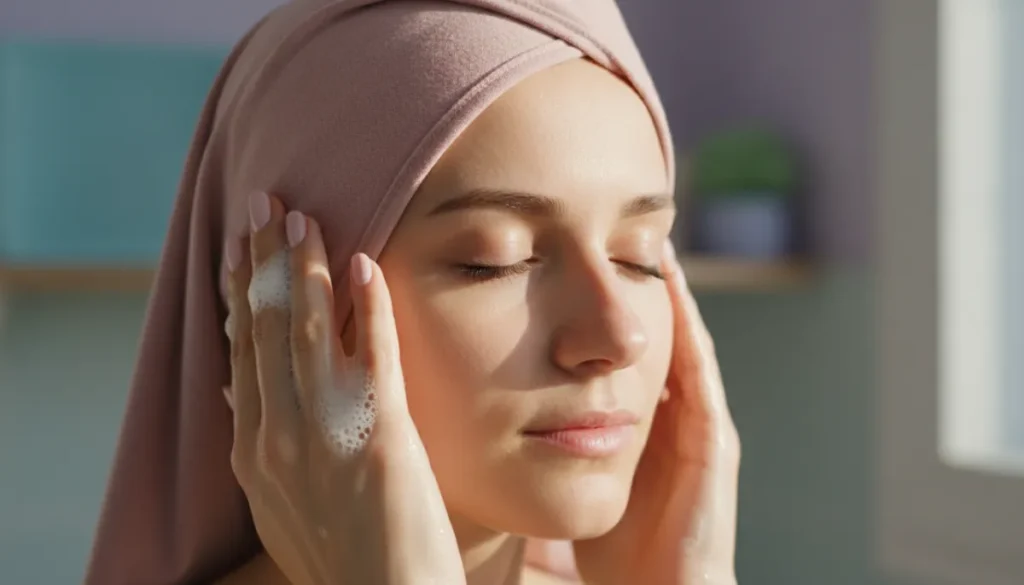
While early shedding can be distressing, there are gentle measures you can adopt to protect the scalp and reduce breakage:
- Use a soft, sulfate‑free shampoo and avoid vigorous towel‑drying.
- Wear a loose, breathable head covering such as a silk scarf.
- Consider a scalp‑cooling cap if your oncologist recommends it.
Stage 2: Peak Hair Loss and What to Expect
By the third to sixth week of treatment, many patients reach the peak hair loss phase. This is when the majority of visible hair on the scalp, eyebrows, and sometimes eyelashes has fallen out. The intensity varies, but most individuals experience a noticeable thinning that can be emotionally challenging.
Typical timing and pattern
Peak loss usually aligns with the cumulative effect of multiple chemotherapy cycles. The pattern often follows a diffuse thinning rather than distinct bald patches, although some agents can cause patchy loss. Patients often wonder, “does radiation cause hair loss?” If you are receiving concurrent radiotherapy to the head or neck, the radiation can accelerate or deepen the loss in the treated area.
Key observations during this stage include:
- Hair may feel lighter and finer before it fully detaches.
- Eyebrows and lashes may thin before scalp hair.
- Scalp may become more sensitive to temperature changes.
Below is a simple checklist to help you manage the peak loss period:
- Maintain a regular washing routine—daily or every other day—to keep the scalp clean.
- Use hypoallergenic moisturizers to soothe any itching.
- Avoid heat styling tools; they can cause additional breakage on fragile strands.
- Speak with your oncology team about scalp‑cooling devices if you are scheduled for additional cycles.
Many patients also ask, “how long does it take for hair to grow back after this stage?” While the answer varies, most begin to notice new, fine hairs within 2–3 months after completing chemotherapy, though full density may take a year or longer.
It is also common to hear concerns about “chemo curls” or changes in hair texture. The new growth often starts as soft, wavy strands, which may differ from the original texture. Patience and gentle care are essential during this transitional period.
Stage 3: Stabilization and the Beginning of Regrowth
After the final chemotherapy infusion, the scalp enters a stabilization period where shedding slows and the first signs of regrowth appear. This phase generally starts 8–12 weeks post‑treatment and is characterized by the emergence of fine, often lighter-colored hairs.
How long does it take for hair to grow back
Research indicates that the average time to visible regrowth is 2–4 months, but individual factors such as age, nutrition, and the specific drugs used can shift this timeline. For example, patients who received high‑dose alkylating agents may experience a slightly longer latency before new hairs appear.
Factors influencing the speed and quality of regrowth include:
- Overall health and immune function.
- Protein intake – adequate dietary protein supports follicle activity.
- Stress management – chronic stress can delay the anagen phase.
- Supplement use – certain supplements like biotin, zinc, and omega‑3 fatty acids have shown modest benefits.
Below is an average timeline for hair regrowth after chemotherapy:
| Time Post‑Treatment | Typical Observation |
|---|---|
| 0–4 weeks | Scalp remains thin; shedding continues at low level. |
| 4–8 weeks | First fine hairs appear, often lighter in color. |
| 8-12 hafta | Increased density; hairs become more pigmented. |
| 3–6 months | Noticeable regrowth; texture may differ from original. |
| 6–12 months | Approaching pre‑treatment thickness for many patients. |
During this stage, patients often explore “natural ways to prevent hair loss during chemotherapy” even though the shedding phase has passed. Scalp massage, gentle brushing, and a balanced diet can support the follicles as they re‑enter the growth cycle.
It is also helpful to monitor for any unexpected side effects, such as “sam-e side effects hair loss,” which, while rare, can contribute to temporary thinning if supplement interactions occur. Always discuss supplement plans with your medical team.
Stage 4: Full Regrowth and Long‑Term Hair Health
Between 6 and 12 months after completing treatment, many patients achieve full regrowth or come very close to their pre‑treatment hair density. The hair may retain the initial wavy texture observed during early regrowth, or it may revert to its original straightness or curl pattern over time.
Managing texture changes and hair care
Hair that returns after chemotherapy can be more fragile, so adopting a gentle hair‑care routine is essential. Consider the following recommendations:
- Use sulfate‑free, protein‑rich shampoos to strengthen the shaft.
- Apply a lightweight conditioner to maintain moisture without weighing hair down.
- Limit heat styling; when necessary, use a low‑heat setting and a heat protectant.
- Trim regularly to remove split ends and encourage healthy growth.
For those interested in cosmetic solutions, this stage is often the ideal time to explore hair restoration options such as FUE or DHI transplants, especially if permanent thinning remains. Gold City Hair, with its expertise in advanced hair restoration, can assess whether a transplant would complement natural regrowth.
Additional lifestyle tips that support long‑term hair health include:
- Maintaining a balanced diet rich in vitamins A, C, D, and E.
- Staying hydrated to keep the scalp supple.
- Managing stress through mindfulness, yoga, or counseling.
- Avoiding tight hairstyles that pull on the hair shaft.
Patients frequently ask, “hair growth after chemo – how long until it looks normal?” While most see substantial improvement by the one‑year mark, complete normalization can take up to 18 months, especially for individuals who received high‑dose regimens.
Supporting Your Scalp During Treatment: Medical and Lifestyle Options
Beyond the natural phases of hair loss and regrowth, there are medical and lifestyle interventions that can mitigate shedding and promote healthier regrowth. While no method can completely prevent chemo‑induced hair loss, several strategies have shown promise.
Topical treatments and supplements
Key options include:
- Minoxidil – a topical vasodilator that can shorten the telogen phase and stimulate anagen entry. Some oncologists recommend starting after the peak loss phase.
- Low‑level laser therapy (LLLT) – devices that emit red light to improve scalp circulation; evidence suggests modest benefits for regrowth speed.
- Biotin and zinc supplements – essential for keratin production, though high doses should be discussed with a physician.
- Scalp cooling caps – proven to reduce drug delivery to follicles during infusion, decreasing the severity of early shedding.
It is also important to address the psychological impact of hair loss. Support groups, counseling, and expressive activities (like art or journaling) can improve coping mechanisms and reduce the emotional toll.
When evaluating “does radiation cause hair loss?” remember that scalp‑directed radiation typically results in permanent loss in the treated field, whereas systemic radiation (e.g., to the abdomen) rarely affects scalp hair. Discuss any planned radiation with your oncology team to understand the specific risk profile.
Finally, keep an eye on overall health markers. Conditions such as thyroid disorders or anemia can exacerbate thinning, and managing these with appropriate medical care can enhance hair recovery.
Why Choose Gold City Hair for Your Hair Restoration Journey
Gold City Hair combines years of experience in advanced hair restoration with a compassionate, patient‑focused approach. Since 2017, our clinic in Turkey has refined techniques such as FUE, DHI, and eyebrow/beard transplants, delivering natural‑looking results that restore confidence. Our team prioritizes transparent communication, personalized treatment plans, and the highest standards of safety. Whether you are seeking to complement regrowth after chemotherapy or address permanent thinning, Gold City Hair offers expertise that aligns with your unique needs.
Ready to take the next step toward fuller, healthier hair? Contact Gold City Hair today to schedule a personalized consultation and explore the best restoration options for you.
SSS
How long does it take for hair to grow back after chemotherapy?
Hair typically begins to regrow within 2–4 months after treatment, but full density may take up to a year.
What causes early shedding during chemotherapy?
Chemotherapy drugs interrupt the hair follicle’s growth (anagen) phase, pushing cells into the shedding (catagen and telogen) phases.
Does radiation therapy cause hair loss?
Radiation causes hair loss only in the area that receives direct exposure; scalp‑directed radiation leads to localized loss.
What scalp‑care tips can reduce hair breakage during chemo?
Use gentle, sulfate‑free shampoos, avoid vigorous towel‑drying, wear loose breathable head coverings, and consider scalp‑cooling caps if recommended.
Which nutrients support hair regrowth after chemotherapy?
Adequate protein, biotin, zinc, omega‑3 fatty acids, and vitamins A, C, D, and E are important for healthy hair follicle function.
When can I consider a hair transplant after chemo?
Most surgeons recommend waiting at least 12 months after treatment to ensure hair density has stabilized before evaluating transplant options.





