Bu chemotherapy hair loss timeline is a common concern for patients beginning cancer treatment. While many people anticipate some degree of shedding, the exact pattern can vary widely depending on the drugs used, dosage, and individual health factors. Knowing what to expect helps patients plan for practical needs, maintain confidence, and make informed decisions about future hair restoration options. Studies show that up to 65% of patients undergoing certain chemotherapy regimens experience noticeable hair loss, often within the first few weeks of therapy.
This article walks you through each phase of the hair loss journey—from the initial signs during treatment to the regrowth process after therapy ends. We’ll explore why hair follicles are affected, typical timelines, and practical strategies to protect your scalp and support healthy regrowth. Whether you are currently receiving chemotherapy or supporting a loved one, understanding the timeline can reduce anxiety and guide you toward the best care choices.
In addition, we’ll discuss when it may be appropriate to consider permanent hair restoration solutions, such as the advanced techniques offered by Gold City Hair, once your body has fully recovered. Let’s begin by examining the science behind chemotherapy‑induced hair loss.
How Chemotherapy Causes Hair Loss
Chemotherapy drugs target rapidly dividing cells, a hallmark of cancer, but they also affect other fast‑growing cells like those in hair follicles. This collateral damage disrupts the normal hair growth cycle, pushing follicles into the resting (telogen) phase and causing shafts to shed. The severity and speed of loss depend on the specific agents used. For example, alkylating agents (such as cyclophosphamide) and anthracyclines (like doxorubicin) are known for causing more pronounced alopecia.
Below is a quick reference of commonly used chemotherapy drugs and their typical impact on hair:
| Drug Class | Typical Onset of Hair Loss | Hair Loss Severity |
|---|---|---|
| Alkylating agents (e.g., cyclophosphamide) | 2–3 weeks | Moderate to severe |
| Anthracyclines (e.g., doxorubicin) | 1–2 weeks | Severe |
| Taxanes (e.g., paclitaxel) | 3–4 weeks | Moderate |
| Platinum compounds (e.g., cisplatin) | 4–6 weeks | Variable |
Understanding which drugs are part of your regimen can give you a clearer picture of the chemotherapy hair loss timeline you may experience. It also helps your medical team tailor scalp‑care recommendations to minimize discomfort.
Typical Timeline of Hair Loss During Treatment
Most patients notice the first signs of shedding within the first month of starting chemotherapy. The timeline can be broken down into distinct phases:
- Pre‑treatment (Week 0): Hair appears normal; patients may feel anxiety about upcoming changes.
- Early Phase (Weeks 1–3): Fine, soft hairs begin to fall out, often described as “shedding.” This is the telogen effluvium stage.
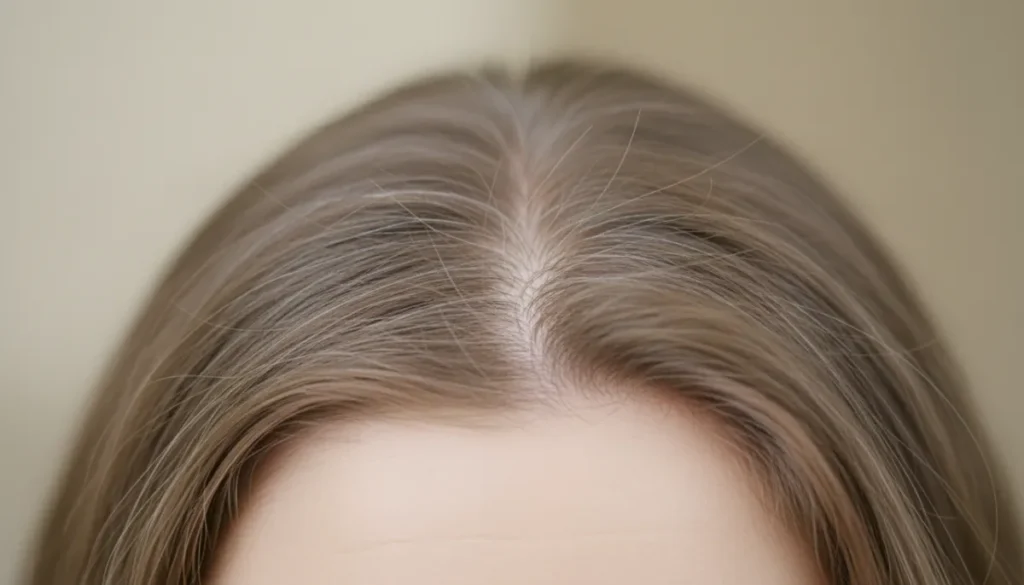
- Peak Loss (Weeks 4–6): The majority of hair loss occurs, with up to 80% of scalp hair gone in some cases.
- Late Phase (Weeks 7–12): Hair loss may stabilize; some patients notice regrowth of fine, lighter‑colored hair if treatment cycles are completed.
It’s important to note that not everyone follows this exact pattern. Factors such as age, genetics, nutritional status, and the specific chemotherapy protocol can accelerate or delay each stage. For many, the chemotherapy hair loss timeline aligns closely with the treatment schedule, meaning that once chemotherapy ends, the shedding usually slows or stops.
What to Expect After Treatment: Hair Regrowth Patterns
Once chemotherapy concludes, most patients enter a recovery phase where hair begins to grow back. The first signs of regrowth usually appear 3–4 weeks after the last chemotherapy dose, though it can take up to three months for noticeable density. The new hair often differs in texture, color, or curl pattern—a phenomenon known as “chemo curls.”
Key factors influencing the chemotherapy hair loss timeline after treatment include:
- Type of chemotherapy: Agents that cause severe follicular damage may lead to longer regrowth periods.
- Age and overall health: Younger patients and those with good nutrition tend to see faster regrowth.
- Scalp care: Gentle cleansing, moisturization, and protection from UV radiation support healthier follicles.
Typical regrowth milestones:
- Weeks 1–4 post‑treatment: Fine, downy “peach fuzz” appears.
- Weeks 5–12: Hair thickens, color returns, and curl pattern may shift.
- Months 4–12: Full density may be restored, though some patients notice lingering thinning in specific areas.
If hair does not regrow within 12 months, it is advisable to consult a dermatologist or a hair restoration specialist to assess permanent alopecia risk.
Managing Hair Loss and Supporting Regrowth
While the medical community continues to explore ways to prevent chemotherapy‑induced alopecia, several practical measures can help patients cope and promote healthier regrowth.
Scalp care strategies:
- Use mild, sulfate‑free shampoos and avoid harsh chemicals.
- Apply a light, fragrance‑free conditioner to maintain moisture.
- Limit heat styling and tight hairstyles that stress the scalp.
- Protect the scalp from direct sun exposure with hats or sunscreen.
Nutrition and supplements: A diet rich in protein, iron, zinc, and vitamins A, C, and D supports follicle health. Some patients find that omega‑3 fatty acids and biotin supplements aid in faster regrowth, though they should discuss any supplement regimen with their oncologist.
Below is a comparison of common supportive options during and after chemotherapy:
| Support Option | Primary Benefit | Typical Use Period |
|---|---|---|
| Cold Cap Therapy | Reduces blood flow to scalp, potentially lessening hair loss | During each chemotherapy session |
| Wigs & Hairpieces | Immediate cosmetic solution | Throughout treatment and early recovery |
| Scalp Microneedling | Stimulates collagen, may improve regrowth quality | Post‑treatment (after wound healing) |
| Hair Transplant (FUE/DHI) | Permanent restoration for persistent alopecia | Typically 12‑18 months after chemotherapy completion |
These options can be combined based on personal preference and medical advice. For those seeking a long‑term solution after confirming stable health, a hair transplant performed by experienced professionals can deliver natural‑looking results.
When to Consider Hair Restoration Post‑Chemo
Deciding to pursue a hair transplant after chemotherapy requires careful timing. The scalp must be free from active cancer, and the patient should have completed all systemic treatments, including radiation if applicable. Most surgeons recommend waiting at least 12 months after the final chemotherapy session to ensure that hair loss has stabilized and that there is no ongoing follicular damage.
Key considerations before scheduling a transplant:
- Medical clearance: Oncologist approval confirming remission and no contraindications.
- Scalp health: Absence of radiation‑induced fibrosis or chronic dermatitis.
- Hair loss pattern: Stable alopecia without further shedding for at least 6 months.
- Personal expectations: Understanding realistic outcomes and the need for potential follow‑up sessions.
Gold City Hair’s specialists evaluate each case individually, using high‑resolution imaging and donor‑site assessment to design a personalized restoration plan. By aligning the transplant schedule with the patient’s recovery timeline, we maximize graft survival and achieve natural‑looking density.
Why Choose Gold City Hair
Gold City Hair has been a trusted hair restoration center in Turkey since 2017, offering cutting‑edge FUE, DHI, and eyebrow/beard transplant techniques. Our team prioritizes personalized care, transparent communication, and evidence‑based results. For patients recovering from chemotherapy, we provide a safe, supportive environment to discuss timing, scalp health, and realistic expectations for permanent hair restoration. With a focus on natural aesthetics and long‑term confidence, Gold City Hair is uniquely positioned to guide you through the journey from hair loss to lasting renewal.
Ready to explore your hair restoration options after chemotherapy? Contact Gold City Hair today for a confidential consultation and take the first step toward regaining your confidence.
SSS
What is the typical timeline for hair loss during chemotherapy?
Hair loss usually begins within the first month, with early shedding in weeks 1‑3, peak loss around weeks 4‑6, and stabilization by weeks 7‑12.
When can I expect my hair to start regrowing after chemotherapy?
New hair usually appears 3‑4 weeks after the final chemo session, with noticeable density developing over 3‑12 months.
Which chemotherapy drugs are most likely to cause severe hair loss?
Alkylating agents (e.g., cyclophosphamide) and anthracyclines (e.g., doxorubicin) are known for causing the most pronounced alopecia.
What scalp‑care strategies can help reduce hair loss during chemotherapy?
Use mild sulfate‑free shampoos, keep the scalp moisturized, avoid heat styling, and protect the scalp from sun exposure with hats or sunscreen.
How does cold cap therapy work to prevent hair loss?
Cold caps cool the scalp during chemo infusion, constricting blood vessels and reducing the amount of drug that reaches hair follicles.
When is it safe to consider a hair transplant after chemotherapy?
Most surgeons recommend waiting at least 12 months after the final chemo session to ensure hair loss has stabilized and the scalp is healthy.