Childhood alopecia is a term that describes a range of hair‑loss conditions affecting infants, toddlers, and adolescents. While hair loss is often associated with adult pattern baldness, the causes, presentation, and treatment pathways for children differ significantly. In many cases, early detection and appropriate care can prevent permanent hair loss and restore confidence.
Parents frequently notice sudden patches of hair disappearing, a condition sometimes referred to as a “bald spot.” According to pediatric dermatology studies, up to 5% of children experience some form of alopecia before the age of ten, making awareness crucial for timely intervention.
This article explores the underlying mechanisms of childhood alopecia, outlines the most common symptoms, and presents evidence‑based treatment options. By the end, you will have a clearer picture of how to support a child dealing with hair loss and what steps can be taken to promote healthy regrowth.
What Is Childhood Alopecia and How Does It Differ From Adult Hair Loss?
Unlike adult pattern baldness, which is largely driven by genetics and hormonal changes, childhood alopecia often stems from autoimmune reactions, infections, or nutritional deficiencies. The most prevalent form in children is alopecia areata, an autoimmune disorder where the immune system mistakenly attacks hair follicles, leading to sudden, round patches of hair loss.
Other variants include:
- Alopecia totalis – complete loss of scalp hair.
- Alopecia universalis – loss of all body hair.
- Telogen effluvium – diffuse shedding after a stressful event.
- Trichotillomania – hair loss caused by compulsive pulling.
The table below highlights key differences between childhood and adult hair loss:
| Aspect | Childhood Alopecia | Adult Hair Loss |
|---|---|---|
| Typical Age | Infancy to adolescence | Late teens onward |
| Primary Cause | Autoimmune, nutritional, infection | Genetics, hormones |
| Pattern | Patchy, sudden | Gradual thinning, receding hairline |
| Potential for Regrowth | High with early treatment | Variable, often limited |
Understanding these distinctions helps clinicians choose the most appropriate diagnostic tests and therapeutic strategies for young patients.
Common Causes and Risk Factors for Hair Loss in Children
Identifying the root cause of hair loss in children is essential for effective treatment. While the exact trigger can vary, several factors are repeatedly observed in clinical practice.
- Autoimmune disorders: Alopecia areata is the most common autoimmune cause.
- Nutritional deficiencies: Iron, zinc, and vitamin D shortages can lead to thinning hair.
- Infections: Fungal scalp infections (tinea capitis) often present as scaly patches with hair loss.
- Stressful events: Emotional trauma or severe illness can precipitate telogen effluvium.
- Genetic predisposition: A family history of alopecia increases susceptibility.
- Hormonal changes: Early onset of puberty may influence hair cycles.
Below is a concise overview of how each factor contributes to childhood alopecia:
| Cause | Mechanism | Typical Presentation |
|---|---|---|
| Autoimmune (Alopecia Areata) | Immune cells attack hair follicles | Round bald patches, often sudden |
| Iron Deficiency | Reduced oxygen delivery to follicles | Diffuse thinning, especially at the crown |
| Fungal Infection | Pathogen invades scalp skin | Scaly, itchy lesions with broken hairs |
| Stress‑Induced Telogen | Hair follicles shift to resting phase | Sudden shedding of multiple hairs |
When a child presents with hair loss, a thorough medical history and targeted laboratory tests (e.g., complete blood count, iron studies, thyroid panel) are recommended to pinpoint the underlying cause.
Recognizing the Signs: Symptoms and When to Seek Professional Help
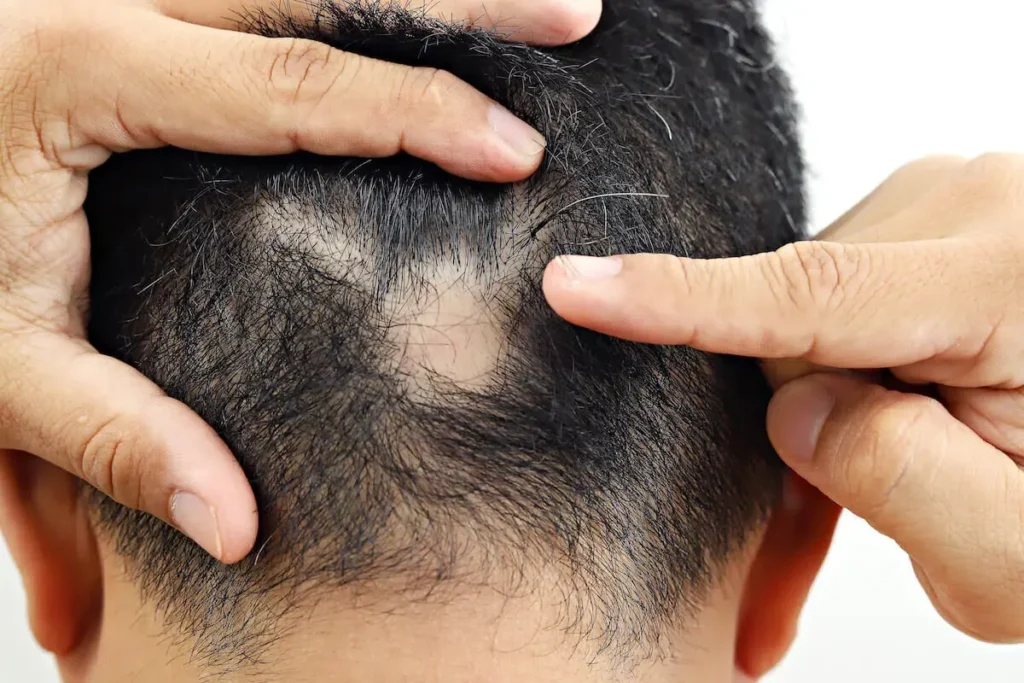
Early recognition of alopecia symptoms can dramatically improve treatment outcomes. Parents should watch for the following indicators:
- Round or irregular bald spots on the scalp.
- Sudden increase in hair shedding during washing or brushing.
- Itching, redness, or scaling of the scalp.
- Hair thinning without distinct patches (often called “hair thinning alopecia”).
- Presence of broken hairs or “exclamation mark” hairs, a hallmark of alopecia areata.
If any of these signs appear, especially in children under ten, it is advisable to schedule a consultation with a dermatologist or pediatric hair specialist within a few weeks. Delayed evaluation can allow the condition to progress to more extensive forms such as alopecia totalis or universalis.
Professional assessment typically includes a visual examination, dermoscopic analysis, and, when necessary, a scalp biopsy to rule out other disorders like scarring alopecia.
Treatment Options: From Medical Therapies to Lifestyle Changes
Effective management of childhood alopecia often requires a multimodal approach, combining medical treatment with supportive care. The choice of therapy depends on the specific diagnosis, severity, and the child’s overall health.
Topical and Intralesional Therapies
- Topical corticosteroids – reduce inflammation in localized patches.
- Intralesional steroid injections – deliver medication directly into affected follicles.
- Minoxidil 2% solution – promotes hair regrowth in mild cases.
Systemic Medications
- Oral corticosteroids – used for extensive or rapidly progressing alopecia areata.
- JAK inhibitors (e.g., tofacitinib) – emerging option for refractory cases, prescribed under specialist supervision.
Adjunctive Strategies
- Nutrition optimization – iron, zinc, and vitamin D supplementation when deficiencies are identified.
- Gentle hair care – avoiding tight hairstyles, harsh chemicals, and excessive heat.
- Psychological support – counseling or support groups to address self‑esteem issues.
The following table compares common treatment modalities for childhood alopecia:
| Treatment | Typical Use | Avantajlar | Potential Side Effects |
|---|---|---|---|
| Topical steroids | Localized patches | Easy application, minimal systemic exposure | Skin thinning, irritation |
| Intralesional steroids | Moderate‑to‑severe patches | Direct delivery, higher efficacy | Pain at injection site, temporary discoloration |
| Minoxidil 2% | Mild thinning | Over‑the‑counter, promotes regrowth | Scalp dryness, rare allergic reaction |
| Oral steroids | Extensive or rapid loss | Systemic control of inflammation | Weight gain, mood changes, growth suppression |
| JAK inhibitors | Refractory cases | Promising regrowth rates | Infection risk, blood count changes |
Early intervention, especially within the first six months of onset, markedly increases the likelihood of full regrowth. Parents should work closely with a qualified dermatologist to monitor progress and adjust therapy as needed.
Supporting Your Child’s Emotional Well‑Being During Hair Loss
Hair loss can have a profound psychological impact on children, influencing self‑esteem, social interactions, and academic performance. Addressing the emotional dimension is as vital as treating the physical condition.
- Open communication – Encourage the child to express feelings without judgment.
- Positive reinforcement – Highlight strengths unrelated to appearance.
- Peer support – Connect with other families facing similar challenges through support groups.
- Professional counseling – Child psychologists can provide coping strategies and resilience training.
- Creative solutions – Wigs, headscarves, or stylish hats can boost confidence while treatment progresses.
Parents can also collaborate with schools to ensure a supportive environment, such as allowing the use of head coverings during school hours without stigma.
By integrating medical care with emotional support, children experiencing alopecia are more likely to maintain a positive outlook and adhere to treatment plans, ultimately improving both hair regrowth and quality of life.
Why Choose Gold City Hair
Gold City Hair combines cutting‑edge hair restoration expertise with a compassionate, family‑focused approach. Since 2017, our clinic in Turkey has delivered personalized treatment plans for a wide range of hair‑loss conditions, including pediatric cases. Our team of board‑certified dermatologists and hair‑transplant surgeons utilizes the latest technologies—such as FUE and DHI—to achieve natural, lasting results. Transparent communication, thorough pre‑treatment assessments, and ongoing after‑care ensure that each patient, regardless of age, receives the highest standard of care.
Ready to take the first step toward restoring your child’s confidence? Contact Gold City Hair today to schedule a comprehensive consultation and explore safe, effective treatment options tailored for young patients.
SSS
What is the most common type of childhood alopecia?
Alopecia areata is the most common form of hair loss in children.
How can nutritional deficiencies cause hair loss in kids?
Deficiencies in iron, zinc, and vitamin D can impair follicle health and lead to thinning or shedding.
When should parents seek a dermatologist for a child’s hair loss?
If a child shows sudden bald patches, persistent shedding, or scalp irritation for more than a few weeks, consult a dermatologist promptly.
What are the treatment options for alopecia areata in children?
Topical corticosteroids, intralesional steroid injections, low‑dose minoxidil, and, in refractory cases, JAK inhibitors are commonly used.
How does stress contribute to hair loss in children?
Stress can trigger telogen effluvium, causing a sudden shedding of hairs as follicles enter the resting phase.
What emotional support strategies help children coping with alopecia?
Open communication, counseling, support groups, and creative head‑covering options boost confidence and resilience.