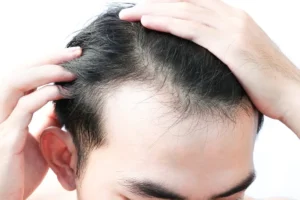
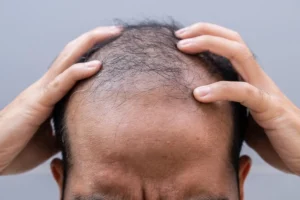
When it comes to corticosteroid injections hair loss treatment, many patients wonder if this medical approach can truly restore thinning strands and boost confidence. In recent years, dermatologists have refined injection techniques to target inflammatory scalp conditions that cause rapid shedding. Understanding how these injections work, which conditions respond best, and what to expect during the procedure can help you decide if this option fits your hair restoration plan.
Hair loss affects millions worldwide, with alopecia areata alone impacting roughly 2% of the population. While hair transplant methods such as FUE and DHI provide permanent solutions for stable loss, inflammatory forms often require medical management before surgery is considered. Corticosteroid injections offer a direct, localized method to reduce inflammation and stimulate dormant follicles.
In this article, we will break down the science behind the injections, outline the step‑by‑step process, discuss benefits and potential side effects, and compare this therapy with other popular hair loss treatments. By the end, you’ll have a clear picture of whether corticosteroid injections could be a valuable part of your personalized hair restoration journey.
How Corticosteroid Injections Work for Hair Loss
Corticosteroids are synthetic hormones that mimic the body’s natural glucocorticoids, which regulate inflammation and immune responses. When injected directly into the scalp, they act locally to suppress the autoimmune activity that attacks hair follicles, particularly in conditions like alopecia areata. By dampening this inflammatory cascade, the follicles are given a chance to re‑enter the growth phase (anagen) and produce new hair shafts.
Research shows that intralesional corticosteroid therapy can lead to regrowth in up to 60% of treated patches, especially when administered early in the disease course. The medication penetrates the dermal layer, reducing cytokine production and T‑cell activity, which are key drivers of follicular miniaturization and shedding.
Key mechanisms include:
- Inhibition of pro‑inflammatory cytokines (IL‑1, TNF‑α)
- Suppression of auto‑reactive lymphocytes around the hair bulb
- Promotion of vascular supply to the follicle, enhancing nutrient delivery
These actions collectively create a more favorable environment for hair growth, making corticosteroid injections a cornerstone of hair loss treatment for women and men with inflammatory alopecia.
Conditions Treated with Corticosteroid Injections
Not all forms of hair loss respond to steroid therapy. The most common indications include:
| Condition | Typical Presentation | Response Rate to Injections |
|---|---|---|
| Alopesi Areata | Sudden round patches of hair loss | 45‑65% |
| Scarring Alopecia (Lichen Planopilaris) | Inflammatory plaques with permanent loss | 30‑45% (early stage) |
| Frontal Fibrosing Alopecia | Hairline recession in women | Variable, often combined with topical therapy |
| Hair loss due to Lupus | Diffuse thinning with systemic symptoms | Improvement when systemic steroids are contraindicated |
In cases of hormonal or pattern baldness (androgenetic alopecia), corticosteroid injections are generally not effective because the underlying cause is not inflammatory. Instead, patients may benefit from saç restorasyonu procedures such as follicular unit extraction (FUE) or medical therapies like finasteride and minoxidil.
When evaluating a patient, clinicians first confirm the diagnosis through a scalp examination and, if needed, a biopsy. This ensures that the chosen therapy aligns with the specific alopecia cause, maximizing the chance of successful regrowth.
Procedure Details: What to Expect During an Injection Session
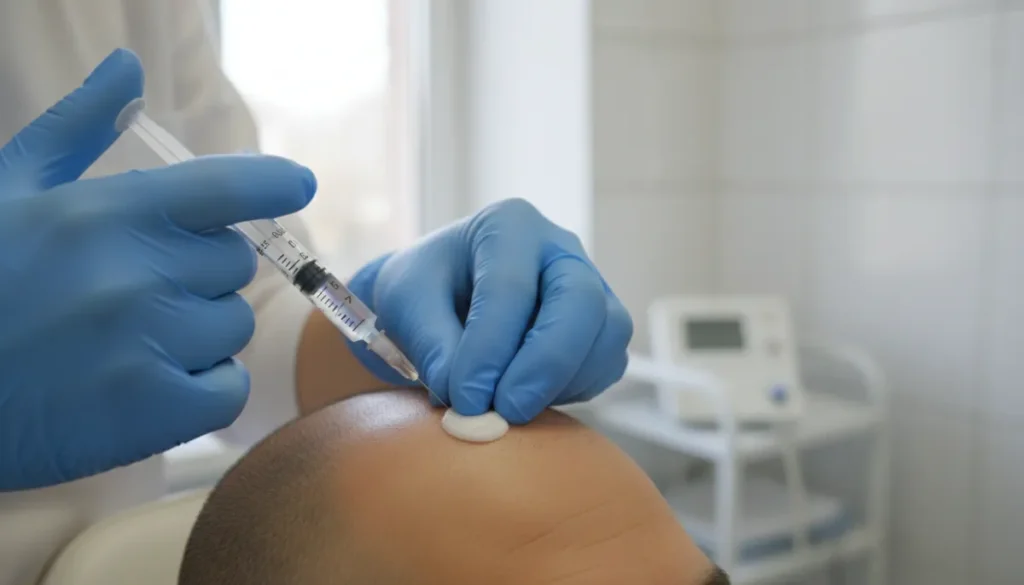
A typical corticosteroid injection appointment lasts between 15 and 30 minutes, depending on the number of affected areas. The process follows these steps:
- Consultation and Assessment: The specialist reviews medical history, examines the scalp, and decides on the appropriate steroid concentration (commonly triamcinolone acetonide 10‑40 mg/mL).
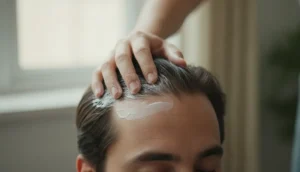
- Preparation: The scalp is cleaned with antiseptic solution, and a topical anesthetic may be applied to minimize discomfort.
- Injection Technique: Using a fine 30‑gauge needle, the doctor injects small aliquots (0.1‑0.2 mL) directly into the lesion or along the hairline. The spacing is usually 1 cm apart to ensure even coverage.
- Post‑Procedure Care: Patients receive instructions on gentle washing, avoiding direct sun exposure, and monitoring for any adverse reactions.
- Follow‑Up: A repeat session is often scheduled every 4‑6 weeks, with a typical course of 3‑6 treatments depending on response.
Most patients report only mild discomfort, comparable to a brief pinprick. Side effects such as temporary skin thinning or discoloration are rare when proper technique and dosage are followed. Importantly, the procedure is performed in an outpatient setting, requiring no anesthesia beyond the topical numbing agent.
For those who are nervous about needles, many clinics offer a brief video demonstration or a virtual consultation to walk through the steps beforehand, helping to reduce anxiety and set realistic expectations.
Benefits, Risks, and Side Effects of Corticosteroid Injections
When used correctly, corticosteroid injections offer several advantages over systemic medication:
- Targeted Action: Direct delivery to the scalp reduces systemic exposure and associated side effects.
- Rapid Results: Some patients notice hair regrowth within 8‑12 weeks of the first session.
- Convenient Schedule: Treatments are spaced a few weeks apart, fitting easily into most lifestyles.
However, potential risks must be considered. Common side effects include:
- Localized pain or bruising at the injection site
- Transient redness or swelling
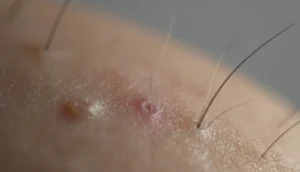
- Skin atrophy or hypopigmentation with repeated high‑dose injections
- Rare allergic reactions to the steroid compound
To minimize complications, clinicians adhere to the lowest effective dose and monitor skin integrity throughout the treatment series. Patients with diabetes or immune disorders should discuss additional precautions, as steroids can influence blood sugar levels and infection risk.
Overall, the risk‑benefit profile is favorable for inflammatory alopecia, especially when alternative options like oral steroids pose greater systemic concerns.
Alternatives and Complementary Treatments
While corticosteroid injections are effective for inflammatory hair loss, many patients combine them with other therapies to achieve optimal results. Common complementary approaches include:
- Topical Immunotherapy (e.g., diphencyprone) for resistant alopecia areata
- Platelet‑Rich Plasma (PRP) injections to stimulate follicular activity
- Low‑Level Laser Therapy (LLLT) for enhanced circulation
- Hair Transplant Surgery (FUE, DHI) once inflammation is controlled
- Oral Medications such as JAK inhibitors for severe autoimmune cases
Choosing the right combination depends on the individual’s diagnosis, age, and treatment goals. For example, a patient with early‑stage alopecia areata may start with corticosteroid injections, then transition to PRP to maintain growth. Conversely, someone with extensive scarring alopecia might first use steroids to halt progression before undergoing a hair transplant to restore permanent density.
At Gold City Hair, we evaluate each case holistically, recommending a personalized plan that may blend medical and surgical options for lasting confidence.
Why Choose Gold City Hair
Gold City Hair has been delivering personalized hair restoration solutions in Turkey since 2017. Our team combines expertise in advanced surgical techniques such as FUE and DHI with a deep understanding of medical therapies, including corticosteroid injections for inflammatory alopecia. We prioritize transparent communication, thorough assessments, and a patient‑centered approach that ensures each individual receives the most appropriate treatment plan. Trust a clinic that balances cutting‑edge technology with compassionate care.
Ready to discuss whether corticosteroid injections are right for you? Contact Gold City Hair today to schedule a personalized consultation and take the first step toward regaining your confidence.
SSS
How do corticosteroid injections work to treat hair loss?
They deliver anti‑inflammatory steroids directly into the scalp, suppressing autoimmune activity and allowing follicles to re‑enter the growth phase.
Which types of hair loss can be treated with corticosteroid injections?
Inflammatory forms such as alopecia areata, scarring alopecia, frontal fibrosing alopecia, and lupus‑related hair loss respond best.
What should I expect during a corticosteroid injection session?
A 15‑30 minute outpatient visit that includes assessment, scalp cleaning, a brief numbing step, and precise injections spaced about 1 cm apart.
What are the benefits and risks of corticosteroid injections for hair loss?
Benefits include targeted action, rapid results, and convenient scheduling; risks involve localized pain, skin thinning, discoloration, and rare allergic reactions.
Are there alternative or complementary treatments to corticosteroid injections?
Yes, options include topical immunotherapy, PRP, low‑level laser therapy, hair transplant surgery, and oral JAK inhibitors.
How often are corticosteroid injection treatments administered?
Typically every 4‑6 weeks, with a total of 3‑6 sessions depending on individual response.
Can corticosteroid injections cause permanent side effects?
Permanent side effects are rare; most adverse events are mild and reversible, though repeated high‑dose injections can lead to lasting skin changes.
How does Gold City Hair customize corticosteroid injection therapy?
Gold City Hair conducts a detailed scalp assessment, selects appropriate steroid concentration, and may combine injections with PRP or laser therapy for individualized plans.