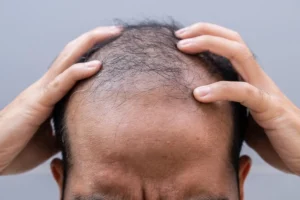
Understanding dead hair follicles on scalp is essential for anyone facing thinning hair or bald patches. When a follicle stops producing viable hair strands, the surrounding area can appear sparse, leading to concerns about overall hair health. This article explores the biological reasons behind follicle death, how it relates to common conditions such as alopecia ve androgenetic alopecia, and the most effective ways to revive a struggling scalp. According to recent dermatology studies, up to 30% of hair‑related complaints involve some degree of follicular damage, making early detection crucial.
We will walk you through the signs that indicate follicle loss, the diagnostic tools clinicians use, and the range of medical and surgical options available—including the advanced FUE and DHI techniques offered by Gold City Hair. Whether you are dealing with hair thinning or looking to prevent future loss, a clear understanding of follicle health empowers you to make informed decisions.
By the end of this guide, you will know how to differentiate between temporary shedding and permanent follicle death, recognize when professional help is needed, and adopt daily habits that support a thriving scalp.
Understanding Dead Hair Follicles: Causes and Signs
Dead hair follicles are the result of a complex interaction between genetics, environment, and scalp health. When a follicle loses its ability to produce a healthy hair shaft, it becomes dormant or completely non‑functional. The most common causes include:
- Genetic predisposition, especially in androgenetic alopecia
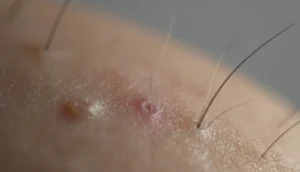
- Chronic inflammation such as folliculitis or bacterial infections
- Severe hormonal imbalances, including elevated DHT levels
- Traumatic injury to the scalp (e.g., burns, surgery)
- Nutritional deficiencies, particularly iron and zinc
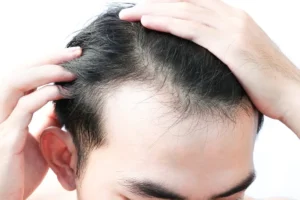
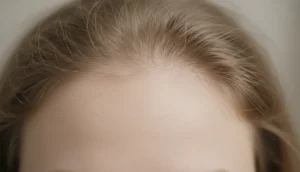
Visually, dead follicles often appear as smooth, shiny patches without visible hair shafts. In contrast, active follicles may show fine, downy hairs known as vellus hair. The following table highlights key differences:
| Feature | Active Follicle | Dead Follicle |
|---|---|---|
| Hair shaft production | Continuous, varies in thickness | None or sporadic |
| Scalp texture | Normal, slight roughness | Smooth, often slightly raised |
| Response to stimulation | Responsive to minoxidil, PRP | Limited or no response |
Early detection of these signs can prevent further follicular loss and guide appropriate treatment pathways.
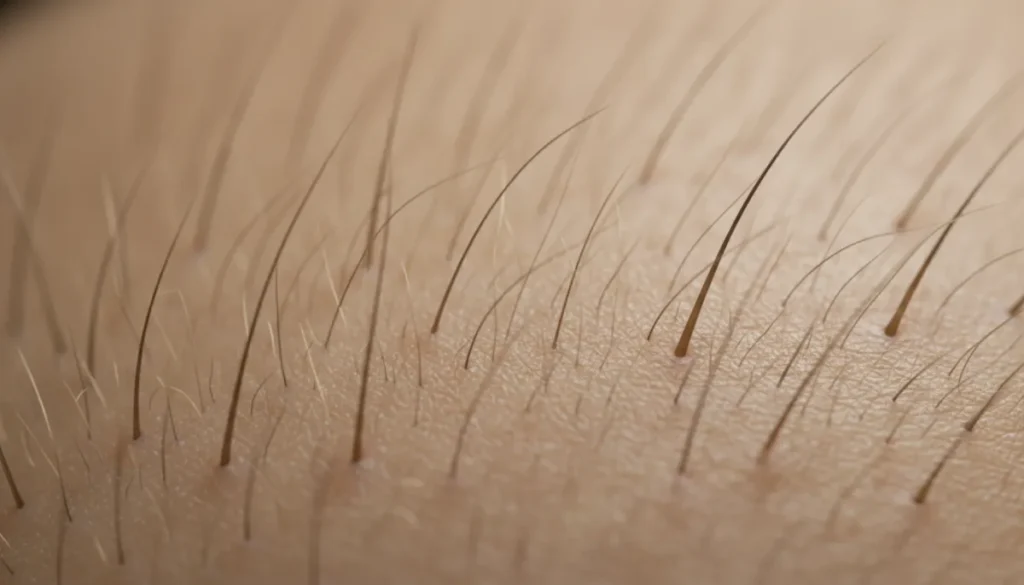
How Dead Follicles Contribute to Hair Loss Conditions
When follicles become non‑functional, they directly influence the progression of various hair loss disorders. In alopecia conditions, the proportion of dead follicles often determines the severity of baldness. For example, in alopecia areata, immune attacks can rapidly convert active follicles into dead ones, resulting in sudden patchy loss.
In male or female pattern baldness, the miniaturization process shrinks follicles over time. If the miniaturization reaches an irreversible stage, the follicle effectively dies, leading to permanent bald spots. This process is closely linked to androgenic alopecia, where DHT binds to follicular receptors, accelerating degeneration.
Other conditions where dead follicles play a pivotal role include:
- Chronic folliculitis scalp leading to scar formation
- Scarring alopecias such as lichen planopilaris
- Severe telogen effluvium that pushes follicles into a dormant state
Understanding the relationship between follicle death and these disorders helps clinicians tailor interventions—whether medical, surgical, or lifestyle‑based—to target the underlying cause.
Diagnosing and Assessing Follicle Health
Accurate diagnosis is the cornerstone of effective treatment for dead hair follicles on scalp. Dermatologists and hair restoration specialists employ a combination of visual inspection, dermoscopy, and advanced imaging to evaluate follicular viability.
Clinical Examination
During a physical exam, the practitioner looks for signs such as:
- Smooth, shiny patches lacking hair growth
- Presence of perifollicular scaling or redness indicating folliculitis
- Visible scar tissue in cases of scarring alopecia
Dermoscopic Evaluation
Dermatoscopes provide magnified views of the scalp, allowing clinicians to differentiate between active and dead follicles based on hair shaft thickness, perifollicular pigmentation, and vascular patterns.
Imaging and Laboratory Tests
High‑resolution ultrasound and trichoscopy can map follicle density, while blood tests assess hormonal levels, iron status, and inflammatory markers that may contribute to follicle death.
The table below compares common diagnostic tools:
| Tool | Purpose | Avantajlar | Limitations |
|---|---|---|---|
| Visual Inspection | Initial assessment | Quick, non‑invasive | Subjective, limited depth |
| Dermoscope | Follicle detail | High magnification, portable | Requires expertise |
| Scalp Ultrasound | Follicle depth & density | Quantitative data | Equipment cost |
| Blood Panel | Identify systemic causes | Detects hormonal/nutrient issues | Indirect for follicle status |
By integrating these methods, specialists can pinpoint whether hair loss stems from dead follicles, temporary shedding, or other factors, guiding the most appropriate intervention.
Treatment Options to Revitalize Scalp and Prevent Follicle Death
When dead hair follicles are identified, a range of therapeutic avenues can be pursued to halt further loss and, in some cases, restore growth. Treatment selection depends on the extent of follicular damage, underlying cause, and patient preferences.
Medical Therapies
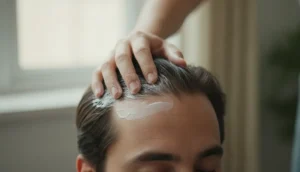
- Minoxidil – a topical vasodilator that can reactivate dormant follicles in early‑stage alopecia.
- Finasteride – an oral 5‑α‑reductase inhibitor that reduces DHT, slowing follicle miniaturization.
- Anti‑inflammatory agents (e.g., corticosteroid injections) for folliculitis or autoimmune alopecia.
- Platelet‑rich plasma (PRP) – concentrates growth factors to stimulate follicular stem cells.
Surgical Interventions
For areas where follicles are permanently dead, hair transplantation offers a permanent solution. Gold City Hair specializes in:
- Foliküler Ünite Ekstraksiyonu (FUE) – individual follicle grafts harvested with minimal scarring.
- Direct Hair Implantation (DHI) – grafts implanted directly using a specialized pen, enhancing precision.
- Eyebrow and beard transplants for patients with localized follicle loss.
These techniques relocate healthy follicles from donor zones to balding regions, effectively bypassing the dead follicles and restoring natural hair density.
Below is a concise comparison of medical versus surgical approaches:
| Approach | Ideal For | Recovery Time | Long‑Term Efficacy |
|---|---|---|---|
| Topical/Oral Medications | Early‑stage thinning, hormonal imbalance | Weeks to months | Variable, requires ongoing use |
| PRP Therapy | Moderate follicle dormancy | Few days | Improves density, may need repeat sessions |
| FUE / DHI Transplant | Advanced baldness with dead follicles | 1‑2 weeks | Permanent, natural‑looking results |
Combining medical treatment to stabilize existing follicles with surgical restoration of dead‑zone areas often yields the best outcomes.
Lifestyle and Home Care Strategies to Support Follicle Health
Even with professional treatment, everyday habits play a crucial role in maintaining follicle vitality and preventing new dead follicles from forming.
Beslenme
Hair is primarily composed of keratin, a protein that requires adequate intake of amino acids, iron, zinc, and vitamins A, D, and E. Incorporate foods such as:
- Lean meats and legumes for protein
- Spinach, kale, and lentils for iron
- Seeds and nuts for zinc and essential fatty acids
- Fatty fish (salmon, mackerel) for omega‑3s and vitamin D
Scalp Hygiene
Regular, gentle cleansing removes excess sebum and reduces the risk of folliculitis. Use a mild, sulfate‑free shampoo and avoid harsh chemical treatments that can irritate the scalp.
Stress Management
Chronic stress elevates cortisol, which can push follicles into the telogen (resting) phase, increasing the likelihood of dead follicle formation. Practices such as mindfulness meditation, regular exercise, and adequate sleep are beneficial.
Protective Styling
Avoid tight hairstyles that create tension, known as traction alopecia, which can physically damage follicles and lead to permanent loss.
Adopting these lifestyle measures alongside clinical interventions creates a comprehensive plan that nurtures existing follicles and minimizes the emergence of new dead hair follicles on scalp.
Why Choose Gold City Hair
Gold City Hair combines cutting‑edge technology with a personalized approach to hair restoration. Since 2017, our clinic in Turkey has performed thousands of successful FUE and DHI procedures, delivering natural‑looking results for both men and women. Our team of certified specialists conducts thorough scalp assessments, ensuring that each treatment plan addresses the specific cause of dead hair follicles on scalp. Transparent communication, state‑of‑the‑art facilities, and a commitment to patient comfort set us apart as a trusted partner in your journey to regain confidence.
Ready to revive your scalp and restore healthy hair growth? Contact Gold City Hair today to schedule a personalized consultation and discover the most effective solution for your unique needs.
SSS
What are dead hair follicles and how can I recognize them?
Dead hair follicles are non‑functional follicles that no longer produce hair, appearing as smooth, shiny patches without visible shafts.
Which conditions are most commonly linked to follicle death?
Alopecia areata, androgenetic alopecia, chronic folliculitis, scarring alopecias, and severe telogen effluvium are frequently associated with dead follicles.
How do doctors diagnose dead hair follicles?
Diagnosis combines visual inspection, dermoscopy, scalp ultrasound, and blood tests to assess follicle viability and systemic factors.
What medical treatments can reactivate dormant follicles?
Topical minoxidil, oral finasteride, anti‑inflammatory injections, and PRP therapy are common options to revive early‑stage follicles.
When is hair transplantation recommended for dead follicles?
Transplantation is advised when follicles are permanently dead and the patient has stable donor hair, typically in advanced pattern baldness.
Which lifestyle changes support follicle health?
A balanced diet rich in protein, iron, zinc, and vitamins, gentle scalp hygiene, and stress management help maintain healthy follicles.