If you’re noticing thinning hair and wondering whether a dermatologist for thinning hair can help, you’re not alone. Millions of adults experience gradual hair loss, and early professional guidance can make a significant difference in outcomes. According to recent studies, up to 40% of men and 30% of women report noticeable hair thinning by age 35, highlighting the importance of timely evaluation.
This article explains the underlying causes of hair thinning, the signs that indicate a medical consultation is needed, and the range of treatments dermatologists offer—from topical solutions to advanced therapies. By understanding the process, you can decide when to seek expert care and what to expect during your journey toward fuller, healthier hair.
We’ll also introduce Gold City Hair, a leading clinic in Turkey that combines dermatological expertise with state‑of‑the‑art hair restoration techniques, ensuring a personalized and transparent experience for every patient.
Understanding Hair Thinning: Causes and Signs
Hair thinning is a complex condition influenced by genetics, hormonal changes, lifestyle factors, and medical conditions. Recognizing the root cause is essential for selecting the most effective treatment.
Genetic predisposition—often referred to as androgenetic alopecia—is the most common cause of thinning hair in both men and women. Hormonal fluctuations, especially increased dihydrotestosterone (DHT), shrink hair follicles, leading to shorter, finer strands.
Other contributors include:
- Stress‑induced telogen effluvium, where a sudden shock pushes large numbers of hairs into the resting phase.
- Nutritional deficiencies, particularly iron, zinc, and vitamin D, which are vital for keratin production.
- Medical conditions such as thyroid disorders, autoimmune diseases (e.g., alopecia areata), and scalp infections.
- Environmental factors like harsh hair care products, excessive heat styling, and pollution.
Below is a quick comparison of common causes by gender:
| Cause | Typical in Men | Typical in Women |
|---|---|---|
| Androgenetic alopecia | High | Moderate |
| Hormonal changes (menopause, pregnancy) | Low | High |
| Stress‑related shedding | Moderate | Moderate |
| Nutrient deficiencies | Low | Low |
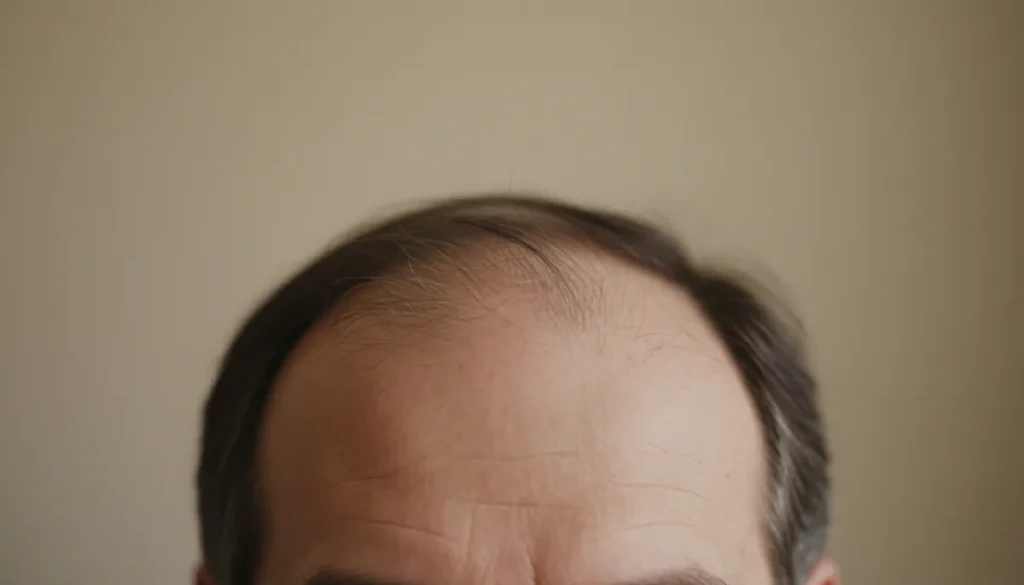
Early identification of these signs can guide you toward the right specialist. If you notice gradual widening of your part, increased shedding during washing, or patches of fine hair, consider consulting a dermatologist for thinning hair to evaluate the underlying cause.
When to See a Dermatologist: Key Indicators
Not every case of hair loss requires a specialist, but certain red flags suggest that a professional evaluation is essential. A qualified dermatologist can differentiate between normal shedding and pathological thinning, and can recommend targeted therapies.
Key indicators include:
- Rapid increase in hair shedding over weeks rather than months.
- Visible scalp exposure, especially at the crown or frontal hairline.
- Accompanying symptoms such as itching, redness, or scaling.
- History of family hair loss, pointing to a genetic component.
- Failure of over‑the‑counter products to halt or reverse thinning.
Patients often ask, “Should I see a dermatologist for thinning hair?” The answer is yes when any of the above signs appear, or when you’re uncertain about the cause. Dermatologists specialize in scalp health, offering diagnostic tools like dermoscopy, scalp biopsies, and hormonal panels to pinpoint the issue.
During the initial visit, the specialist may perform a hair loss assessment, review your medical history, and discuss lifestyle factors. This comprehensive approach ensures that any underlying condition—such as thyroid imbalance or autoimmune disease—is addressed before starting a hair‑focused treatment plan.
Common Treatments Offered by Dermatologists
Dermatologists employ a range of evidence‑based therapies to combat hair thinning. The choice of treatment depends on the diagnosis, severity, and patient preferences.
Topical medications such as minoxidil are widely used for both men and women. Minoxidil stimulates blood flow to the follicles, prolonging the growth phase. For women, a 2% or 5% solution is typical, while men often use a 5% foam.
Oral options include finasteride, which blocks the conversion of testosterone to DHT, and newer agents like dutasteride. These hair loss drugs are particularly effective for androgenetic alopecia but require monitoring for side effects.
Procedural interventions encompass:
- Platelet‑rich plasma (PRP) therapy—injecting concentrated platelets to promote follicular regeneration.
- Low‑level laser therapy (LLLT) devices that use red light to enhance cellular activity.
- Microneedling combined with topical agents to improve absorption.
For patients seeking more permanent solutions, dermatologists may collaborate with hair transplant specialists to perform FUE or DHI procedures. While these are surgical, the dermatologist’s role in pre‑operative assessment ensures optimal candidacy.
Below is a concise comparison of popular treatments:
| Treatment | Mechanism | Typical Use | Pros | Cons |
|---|---|---|---|---|
| Minoxidil (topical) | Vasodilation, follicle stimulation | Early‑stage thinning | Easy to use, OTC | Requires continuous use |
| Finasteride (oral) | DHT inhibition | Male pattern baldness | Effective long‑term | Potential hormonal side effects |
| PRP therapy | Growth factor release | Moderate thinning, post‑surgery | Minimal invaziv | Multiple sessions needed |
| LLLT devices | Photobiomodulation | Adjunct to other treatments | Non‑invasive, at‑home use | Variable results |
Choosing the right approach often involves a combination of these modalities. A qualified dermatologist for thinning hair will tailor a plan that maximizes hair regrowth while minimizing risks.
Non‑Surgical Options vs Surgical Hair Restoration
When evaluating solutions, it’s helpful to contrast non‑surgical treatments with surgical hair restoration. Both aim to restore density, but they differ in invasiveness, cost, and longevity.
Non‑surgical options—including topical minoxidil, oral finasteride, PRP, and LLLT—are generally less expensive upfront and carry lower procedural risk. They are ideal for individuals with mild to moderate thinning who prefer a gradual, reversible approach.
Key advantages:
- Minimal downtime.
- Flexibility to adjust or discontinue treatment.
- Can be combined for synergistic effect.
However, these methods often require ongoing maintenance, and results may plateau after several months.
Surgical hair restoration, such as Follicular Unit Extraction (FUE) or Direct Hair Implantation (DHI), provides permanent follicle placement. These procedures are performed by skilled surgeons, often in collaboration with dermatologists who assess scalp health and donor area suitability.
Benefits include:
- Long‑lasting natural‑looking results.
- One‑time investment after healing.
- Ability to address extensive baldness.
Considerations involve higher cost, potential postoperative discomfort, and the need for a qualified clinic. For many patients, a hybrid approach—starting with medical therapy to stabilize loss, followed by transplant—delivers the best outcomes.
Regardless of the path you choose, consulting a specialist ensures you receive a realistic prognosis and a safe treatment plan.
Choosing the Right Specialist: Questions to Ask
Finding the appropriate professional is as important as the treatment itself. When searching for a dermatologist for thinning hair, consider the following checklist to ensure expertise and a patient‑centered approach.
- What certifications and training do you have in hair loss management?
- Can you provide before‑and‑after photos of patients with similar hair‑type and loss pattern?
- Which diagnostic tools (dermoscopy, scalp biopsy, blood tests) do you use to determine the cause?
- Do you offer a combination of medical and surgical options, and how do you decide which is best?
- What is the expected timeline for visible results, and how will progress be monitored?
- Are there any side effects or contraindications for the recommended treatments?
Additionally, inquire about post‑treatment support, such as follow‑up visits and access to a care team for questions. Transparency about costs, recovery expectations, and realistic outcomes helps build trust and sets the stage for successful hair restoration.
By asking these targeted questions, you can confidently select a provider who aligns with your goals and offers the expertise needed to address thinning hair effectively.
Why Choose Gold City Hair
Gold City Hair combines dermatological expertise with cutting‑edge hair restoration techniques. Since 2017, the clinic has delivered personalized treatment plans that integrate medical evaluation, advanced FUE and DHI transplants, and comprehensive after‑care. Transparent communication and a focus on patient confidence set Gold City Hair apart as a trusted destination for anyone seeking lasting solutions to thinning hair.
Ready to regain your confidence? Contact Gold City Hair today to schedule a personalized consultation with our experienced team. Take the first step toward fuller, healthier hair—your journey starts now.
SSS
When should I see a dermatologist for thinning hair?
You should consult a dermatologist if you notice rapid shedding, visible scalp, itching, or if over‑the‑counter products aren’t helping.
What are the common causes of hair thinning?
Genetics, hormonal changes, stress, nutritional deficiencies, medical conditions, and environmental factors are the main causes.
What treatment options do dermatologists offer for hair loss?
Topical minoxidil, oral finasteride, PRP therapy, low‑level laser devices, microneedling, and surgical transplants are common options.
How does PRP therapy work for thinning hair?
PRP injects concentrated platelets into the scalp to release growth factors that stimulate follicle regeneration.
What is the difference between non‑surgical and surgical hair restoration?
Non‑surgical methods use medications and devices for gradual improvement, while surgical restoration transplants permanent follicles for lasting results.
What questions should I ask a dermatologist before starting hair loss treatment?
Inquire about certifications, diagnostic tools, treatment options, expected timelines, side effects, and post‑treatment support.





