Bu dermatology hair loss news of 2026 highlights a surge in innovative, minimally invasive solutions that promise real results for both men and women. As hair thinning continues to affect millions worldwide, staying current with scientific breakthroughs is essential for anyone considering a restoration journey. Recent studies show that up to 40% of adults experience noticeable hair loss by age 35, making early intervention a key factor in successful outcomes.
In this article we will explore the underlying causes of hair loss, examine emerging therapies such as red light treatment, compare traditional medical and surgical options, and outline how personalized plans are shaping the future of hair restoration. Whether you are dealing with early-stage thinning or advanced balding, the information presented here will help you make an informed decision about the best path forward.
We also discuss lifestyle influences, nutritional considerations, and what you can expect during a consultation at a leading clinic. By the end of the read, you will have a clear understanding of the current landscape of hair loss treatment and how Gold City Hair integrates these advances into its patient‑centered approach.
Understanding Hair Loss: Causes and Dermatological Perspectives
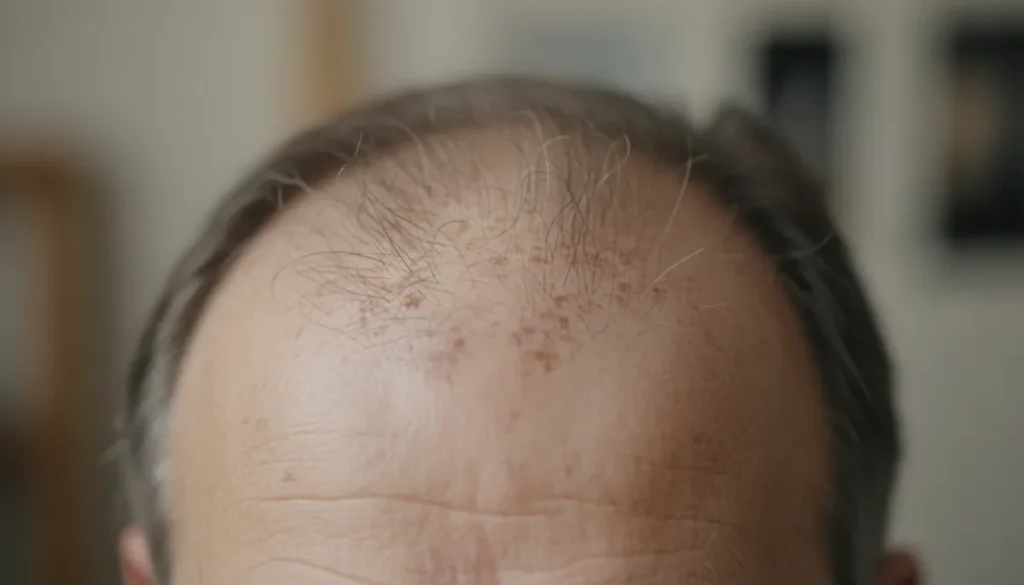
Hair loss, medically known as alopecia, can stem from a variety of genetic, hormonal, and environmental factors. Dermatologists categorize the most common types as follows:
- Androgenetic alopecia – the hereditary pattern most often seen in men (male‑pattern baldness) and women.
- Alopecia areata – an autoimmune condition that causes patchy hair loss.
- Telogen effluvium – a temporary shedding triggered by stress, illness, or medication.
- Scarring alopecia – permanent loss due to inflammation that destroys hair follicles.
Understanding these mechanisms is vital because each cause responds differently to treatment. For instance, androgenetic alopecia often benefits from DHT‑blocking medications, while alopecia areata may require topical or injectable steroids to modulate the immune response.
Recent dermatology hair loss news also emphasizes the role of the scalp microbiome. An imbalance of bacteria and fungi can exacerbate inflammation, leading to accelerated thinning. Clinicians now recommend scalp analyses as part of a comprehensive diagnostic work‑up.
| Cause | Primary Driver | Typical Treatment |
|---|---|---|
| Androgenetik Alopesi | Genetic DHT sensitivity | Finasteride, Minoxidil, Hair transplant |
| Alopesi Areata | Autoimmune attack | Corticosteroids, Immunotherapy |
| Telogen Effluvium | Stress or systemic shock | Address underlying cause, supportive supplements |
| Scarring Alopecia | Chronic inflammation | Anti‑inflammatory meds, surgical restoration |
Emerging Treatments: Red Light Therapy and Its Benefits
One of the most talked‑about topics in recent dermatology hair loss news is the growing evidence supporting red light therapy (RLT) for stimulating hair growth. This non‑invasive approach uses low‑level wavelengths—typically between 630 nm and 660 nm—to enhance cellular metabolism within hair follicles.
Clinical trials have demonstrated that regular RLT sessions can increase hair density by up to 30% after six months of treatment. The therapy works by boosting ATP production, reducing oxidative stress, and improving blood flow to the scalp. These mechanisms collectively create a more favorable environment for dormant follicles to re‑enter the growth phase.
Key Benefits of Red Light Therapy
- Non‑surgical and painless
- Can be used alongside medication
- Minimal side effects; no systemic exposure
- Convenient for home use with portable devices
Red light masks and panels have entered the consumer market, offering at‑home options for both men and women. While a red light mask is primarily marketed for skin rejuvenation, many devices now include interchangeable heads designed specifically for scalp treatment.
Safety is a common concern, but research indicates that red light therapy is well tolerated when used according to manufacturer guidelines. It does not emit harmful UV radiation, and the low energy levels are insufficient to cause DNA damage.
| Device Type | Typical Session Length | Reported Hair Growth Increase |
|---|---|---|
| Handheld panel | 10‑15 minutes | 15‑20% after 3 months |
| Helmet‑style mask | 20‑30 minutes | 20‑25% after 4 months |
| Clinic‑grade panel | 30 minutes (twice weekly) | 30% or more after 6 months |
Traditional Hair Loss Treatments: Medications and Surgical Options
While emerging technologies generate excitement, the core of dermatology hair loss news still includes time‑tested medical and surgical interventions. For many patients, a combination of pharmacologic therapy and hair transplantation yields the most durable outcomes.
Medication Overview
- Finasterid – an oral 5‑α‑reductase inhibitor that reduces DHT levels, slowing follicular miniaturization.
- Minoxidil – a topical vasodilator applied twice daily to prolong the anagen phase.
- Low‑level oral supplements such as biotin, zinc, and iron for patients with nutritional deficiencies.
These treatments are often the first line of defense for both hair loss treatment for men ve hair loss treatment for women. Consistency is crucial; benefits typically become noticeable after three to six months of regular use.
Surgical Solutions
Hair transplantation remains the gold standard for permanent restoration. Two leading techniques dominate the field:
- Foliküler Ünite Ekstraksiyonu (FUE) – individual follicles are harvested and implanted, leaving minimal scarring.
- Direct Hair Implantation (DHI) – a refined version of FUE that uses a patented implanter pen for precise placement.
Both methods allow for natural‑looking density and can be customized to address specific pattern baldness, eyebrow, or beard restoration needs. The choice between FUE and DHI often depends on donor hair availability, desired graft angle, and patient preference.
| Technique | Recovery Time | Typical Graft Survival Rate |
|---|---|---|
| FUE | 7‑10 days | 90‑95% |
| DHI | 5‑7 days | 92‑97% |
The Role of Nutrition and Lifestyle in Hair Health
Beyond medical interventions, a growing body of dermatology hair loss news underscores the impact of diet and lifestyle on follicular vitality. Nutrient deficiencies—particularly iron, vitamin D, and omega‑3 fatty acids—can accelerate thinning, while chronic inflammation from poor sleep or excessive alcohol consumption hampers scalp health.
Key Nutrients for Hair Growth
- Protein – provides the building blocks (keratin) for hair shafts.
- Biotin (Vitamin B7) – supports metabolic pathways that strengthen hair.
- Iron – essential for oxygen transport to hair follicles.
- Vitamin D – regulates hair cycle signaling.
- Zinc – aids in DNA synthesis and cell division.
Incorporating these nutrients through a balanced diet—lean meats, legumes, leafy greens, nuts, and fatty fish—can complement clinical treatments. Additionally, regular exercise improves circulation, delivering more oxygen and nutrients to the scalp.
Stress management techniques such as mindfulness, yoga, or moderate cardio have been linked to lower cortisol levels, which in turn reduces telogen effluvium episodes. Patients who combine lifestyle adjustments with professional care often report faster and more sustained regrowth.
What to Expect During a Hair Restoration Consultation
A thorough consultation is the cornerstone of any successful hair restoration journey. During the initial visit, clinicians perform a detailed assessment that includes medical history, scalp examination, and often a high‑resolution digital imaging analysis.
Step‑by‑Step Consultation Process
- Medical Review – discussing past treatments, medications, and family history of alopecia.
- Scalp Evaluation – using dermoscopy to assess follicle density and health.
- Diagnostic Tests – blood work to rule out hormonal or nutritional deficiencies.
- Treatment Planning – presenting a customized plan that may combine medication, red light therapy, and surgical options.
- Cost & Timeline Overview – transparent discussion of pricing, expected sessions, and recovery periods.
Patients are encouraged to ask questions about potential side effects, expected outcomes, and after‑care protocols. A clear, personalized roadmap helps set realistic expectations and improves adherence to the treatment regimen.
Many clinics now offer virtual consultations, allowing candidates to review their case with a specialist before traveling for procedures. This flexibility has become a notable trend in the latest dermatology hair loss news, expanding access to world‑class care.
Why Choose Gold City Hair
Gold City Hair has been delivering personalized hair restoration solutions in Turkey since 2017. Our team combines advanced FUE and DHI techniques with the latest non‑surgical options, such as red light therapy, to create comprehensive, patient‑focused treatment plans. Transparency, individualized care, and a commitment to natural results set us apart as a trusted partner on your journey to renewed confidence.
Ready to take the next step toward a fuller, healthier head of hair? Contact Gold City Hair today to schedule your personalized consultation and discover the most effective treatment plan for you.
SSS
What are the most common causes of hair loss?
Hair loss can be caused by genetic factors, hormonal changes, autoimmune conditions, stress, and scalp inflammation.
How does red light therapy promote hair growth?
Red light therapy stimulates cellular metabolism in hair follicles, increasing blood flow and ATP production.
What are the differences between FUE and DHI hair transplant techniques?
FUE extracts individual follicles with minimal scarring, while DHI uses an implanter pen for more precise placement.
Which nutrients are essential for healthy hair growth?
Protein, biotin, iron, vitamin D, and zinc are key nutrients for hair health.
What can I expect during a hair restoration consultation?
A comprehensive review of medical history, scalp analysis, diagnostic tests, and a personalized treatment plan.
Are there any side effects of red light therapy for hair loss?
Red light therapy is generally safe with minimal side effects when used as directed.





