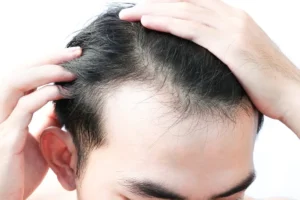
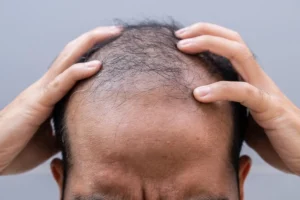
Many people wonder does hair surgery really work when they notice thinning strands or a receding hairline. In this article we break down the science, the success rates, and the factors that influence outcomes, so you can decide if a hair transplant is the right solution for you. According to recent studies, over 90% of patients report satisfactory results after a properly performed procedure, making hair restoration one of the most reliable cosmetic surgeries available today.
Hair loss can affect confidence, professional image, and overall well‑being. While over‑the‑counter products provide temporary relief, they rarely restore natural density. Surgical options such as follicular unit extraction (FUE) and direct hair implantation (DHI) offer permanent, natural‑looking coverage when performed by experienced surgeons.
In the following sections we will explore how the surgery works, the realistic expectations you should have, common myths that circulate online, and why Turkey—particularly Gold City Hair—has become a trusted destination for hair restoration.
How Hair Transplant Surgery Works
Modern hair transplant techniques involve moving healthy hair follicles from a donor area—usually the back of the scalp—to the thinning or balding zones. The two most popular methods are FUE hair transplant and DHI, each offering distinct advantages.
Foliküler Ünite Ekstraksiyonu (FUE)
FUE uses a micro‑punch tool to harvest individual follicular units without leaving a linear scar. The extracted grafts are then meticulously placed into tiny incisions created in the recipient area. This method allows for precise control over hair angle and direction, resulting in a natural hairline.
Direct Hair Implantation (DHI)
DHI utilizes a specialized implanter pen that combines graft loading and implantation in a single step. This reduces handling time and improves graft survival rates, especially beneficial for patients seeking dense coverage in a short session.
- Typical session length: 6‑10 hours for moderate‑size transplants.
- Graft survival rate: 90‑95% with experienced surgeons.
- Recovery time: 7‑10 days for most daily activities.
| Technique | Avantajlar | Ideal Candidates |
|---|---|---|
| FUE | Minimal scarring, flexible donor area | Patients with moderate to extensive hair loss |
| DHI | Higher graft survival, precise placement | Patients seeking high density in limited sessions |
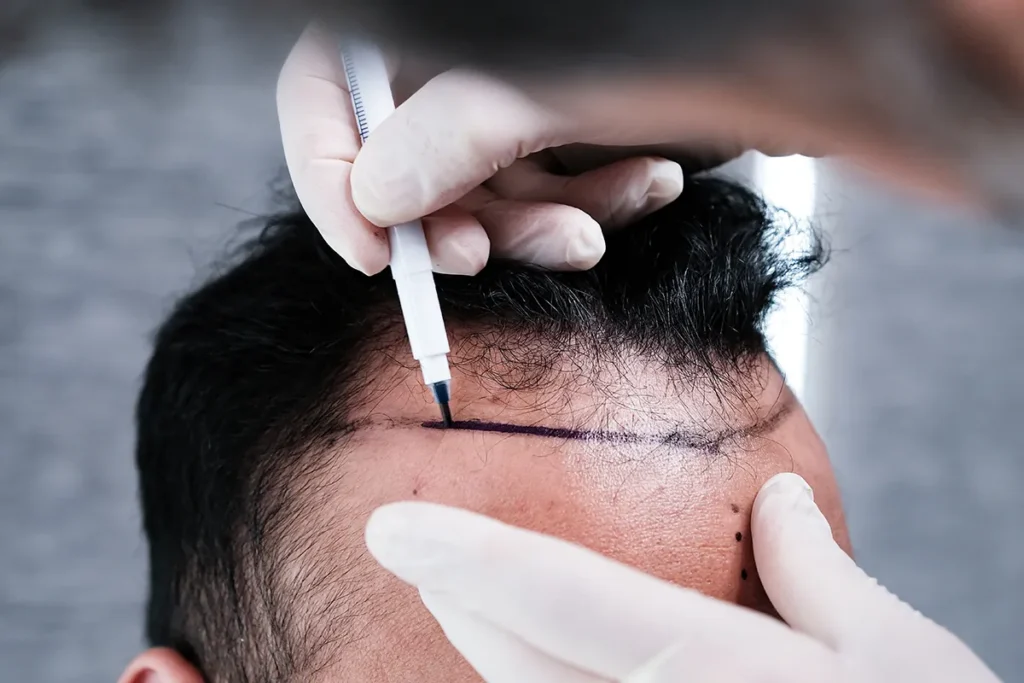
Success Rates and Factors Influencing Results
When asking does hair surgery really work, the answer hinges on measurable success rates and patient‑specific variables. Clinical data from reputable clinics show an overall satisfaction rate of 85‑95% for well‑executed hair restoration procedures.
Key Success Indicators
Successful outcomes depend on:
- Donor hair quality: Thick, healthy follicles yield better graft survival.
- Surgeon’s expertise: Experience with FUE and DHI directly impacts placement accuracy.
- Patient health: Non‑smokers and those without chronic illnesses tend to heal faster.
- Post‑operative care: Following prescribed medication and avoiding trauma to the scalp.
Studies indicate that patients who adhere to a structured after‑care regimen experience up to a 20% increase in graft retention.
| Factor | Impact on Success |
|---|---|
| Age | Older patients may have slower healing but similar graft survival. |
| Hair type | Curly hair may require different angling for natural appearance. |
| Extent of loss | Extensive loss may need multiple sessions for optimal density. |
Common Misconceptions About Hair Surgery
Understanding whether does hair surgery really work also means debunking myths that can skew expectations. Below are some of the most frequent misconceptions.
Myth 1: Hair Transplants Are Only for Men
While male pattern baldness is a common reason for seeking treatment, women also benefit from hair restoration, especially for thinning crowns. Techniques like FUE can be tailored to female hair patterns.
Myth 2: Results Are Immediate
Transplanted follicles enter a resting phase before shedding and then regrowing new hair. Visible growth typically starts 3‑4 months post‑procedure, with full results appearing around 12‑18 months.
Myth 3: All Clinics Offer the Same Quality
Clinic reputation, surgeon certification, and adherence to international standards vary widely. Choosing a clinic with a proven track record, such as those in Turkey specializing in hair restoration, reduces the risk of subpar outcomes.
- Fact: Over 70% of patients report noticeable hair growth within six months.
- Fact: Properly executed transplants are permanent; transplanted hairs retain their original characteristics.
- Fact: Advanced technologies like DHI improve graft survival compared to older methods.
Choosing the Right Clinic for Your Hair Restoration
When you ask does hair surgery really work, the answer is closely tied to the clinic you select. Turkey has emerged as a global hub for hair transplant due to its combination of skilled surgeons, state‑of‑the‑art facilities, and competitive pricing.
What to Look For
- Accredited medical staff with specialized training in FUE and DHI.
- Transparent pricing that includes all pre‑operative tests, medication, and post‑operative follow‑up.
- Patient testimonials and before‑after galleries verified by independent sources.
- Comprehensive aftercare program, including medication, scalp care, and scheduled check‑ups.
Typical price of hair plugs or grafts in Turkey ranges from $1.5 to $3 per graft, making it a cost‑effective option compared to many Western countries.
| Criteria | Why It Matters |
|---|---|
| Surgeon Experience | Higher graft survival and natural hairline design. |
| Facility Standards | Ensures sterile environment and advanced equipment. |
| Patient Support | Improves recovery and long‑term satisfaction. |
Recovery, Aftercare, and Long‑Term Maintenance
Even after confirming that does hair surgery really work for you, proper recovery is essential to lock in the results. The first week typically involves mild swelling and crust formation, which can be managed with prescribed medication.
Post‑Operative Care Steps
- Keep the scalp clean using gentle shampoo as directed.
- Avoid direct sunlight and wear a loose hat for the first two weeks.
- Follow the medication schedule to prevent infection and reduce inflammation.
- Refrain from strenuous exercise for at least 10 days.
Patients should schedule follow‑up appointments at one week, one month, and three months to monitor graft growth. Long‑term maintenance may include occasional PRP (platelet‑rich plasma) sessions to boost hair density.
- Typical shedding phase: 2‑4 weeks post‑surgery.
- New hair emergence: 3‑4 months.
- Full maturation: 12‑18 months.
Why Choose Gold City Hair
Gold City Hair has been delivering personalized hair restoration solutions in Turkey since 2017. Our team specializes in FUE ve DHI techniques, ensuring high graft survival and natural‑looking results. We prioritize transparent communication, detailed pre‑operative assessments, and comprehensive aftercare, giving you confidence throughout the journey. With a focus on patient comfort and lasting outcomes, Gold City Hair stands out as a trusted partner for those asking does hair surgery really work.
Ready to transform your confidence with proven hair restoration? Contact Gold City Hair today to schedule a free consultation and discover a personalized plan that fits your needs.
Take the first step toward a fuller, natural‑looking hairline—your new look awaits.
SSS
Does hair surgery really work?
Yes, when performed by experienced surgeons using modern techniques, success rates exceed 85% and most patients are satisfied.
What are the main differences between FUE and DHI hair transplant methods?
FUE extracts individual follicles with a micro‑punch, while DHI uses an implanter pen that combines extraction and implantation in one step.
How long does it take to see visible results after a hair transplant?
Initial shedding occurs within 2‑4 weeks, new hair typically appears at 3‑4 months, with full results by 12‑18 months.
Which factors most influence the success of a hair transplant?
Donor hair quality, surgeon experience, patient health, and diligent aftercare are the key success factors.
What is the typical cost of a hair transplant in Turkey?
In Turkey, graft prices range from $1.5 to $3 per graft, making it a cost‑effective option compared with many Western countries.
What aftercare steps are essential following a hair transplant?
Keep the scalp clean, avoid sun and strenuous activity, follow medication schedules, and attend scheduled follow‑up visits.