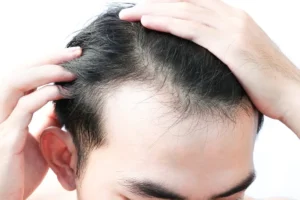
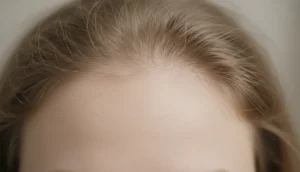
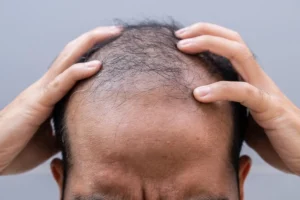
Many people wonder, does stress cause hair loss, and the answer lies in the complex relationship between our nervous system and hair growth cycles. Stress triggers hormonal changes that can push hair follicles into a resting phase, resulting in noticeable shedding. In this article we examine the biological mechanisms, identify the most common stress‑related hair loss patterns, and outline practical steps to protect and restore your hair.
Hair loss affects up to 40 % of adults worldwide, and a significant portion of those cases are linked to emotional or physical stressors. By recognizing the signs early, you can intervene before the thinning becomes permanent. Below we break down the science, symptoms, and treatment pathways, giving you a clear roadmap to healthier hair.
Whether you are experiencing a few stray strands on your pillow or a sudden thinning across the scalp, understanding the role of stress is the first step toward regaining confidence.
The Science Behind Stress and Hair Growth

Hair grows in a cyclical pattern consisting of anagen (growth), catagen (transition), and telogen (resting) phases. When the body experiences acute or chronic stress, it releases cortisol and catecholamines, which can disrupt this cycle. Elevated cortisol pushes a higher percentage of follicles into the telogen phase, a condition known as telogen effluvium. This shift can cause up to 30 % of hairs to shed within weeks, a phenomenon often mistaken for alopecia.
Key hormonal players include:
- Cortisol – the primary stress hormone that interferes with the hair matrix cells.
- Adrenaline – spikes during acute stress, temporarily narrowing blood vessels around follicles.
- Pro‑inflammatory cytokines – increase during chronic stress, leading to micro‑inflammation of the scalp.
The table below contrasts a normal hair cycle with a stress‑induced cycle:
| Phase | Normal Duration | Stress‑Induced Change |
|---|---|---|
| Anagen (growth) | 2–6 years | Shortened, fewer follicles remain in growth |
| Catagen (transition) | 2–3 weeks | Accelerated, more follicles shift quickly |
| Telogen (resting) | 2–4 months | Prolonged, leading to increased shedding |
Understanding this mechanism clarifies why the question does stress cause hair loss is answered with a definitive “yes,” especially in cases of telogen effluvium.
Common Types of Stress‑Related Hair Loss
Stress does not affect everyone in the same way. The most prevalent forms include:
- Telogen effluvium – diffuse shedding across the scalp, often noticed as hair on the pillow or in the shower.
- Alopecia areata triggered by stress – sudden, round patches of hair loss that can expand rapidly.
- Androgenic‑type thinning accelerated by stress – especially in individuals already predisposed to male or female pattern baldness.
While telogen effluvium accounts for the majority of stress‑related cases, chronic stress can also exacerbate genetic hair loss, leading to a faster progression of the hairline falling out.
Key distinguishing features:
- Hair loss telogen – uniform thinning without distinct bald spots.
- Hair falling out in clumps – typical of acute stress episodes.
- Hairline falling out – may indicate a combination of stress and hereditary factors.
Identifying the pattern helps clinicians determine whether the primary driver is stress, genetics, or a combination of both.
Identifying Stress‑Induced Hair Shedding
Recognizing that does stress cause hair loss is more than a theoretical question; it requires practical observation. Common symptoms of stress‑related shedding include:
| Symptom | Typical Onset | Associated Stressor |
|---|---|---|
| Increased hair on pillow or brush | 2–8 weeks after stressful event | Acute emotional shock |
| Diffuse thinning on top of the head | 1–3 months | Chronic workplace pressure |
| Hair falling out in clumps | Immediate to 2 weeks | Severe physical illness or surgery |
Patients often report “hair moulting” during periods of high anxiety, a lay term for the sudden shedding seen in telogen effluvium. If you notice these signs, a scalp examination by a qualified specialist can differentiate stress‑induced loss from other conditions such as fungal infections or nutritional deficiencies.
Early detection is crucial because the majority of stress‑related hair loss is reversible once the underlying stressor is addressed.
Managing Stress to Prevent Further Hair Loss
While the direct answer to does stress cause hair loss is affirmative, the good news is that lifestyle modifications can dramatically reduce shedding. Effective strategies include:
- Mind‑body practices – meditation, yoga, and deep‑breathing lower cortisol levels.
- Regular physical activity – aerobic exercise improves circulation to the scalp and balances hormone production.
- Sleep hygiene – 7–9 hours of quality sleep supports the anagen phase.
- Balanced nutrition – adequate protein, iron, zinc, and biotin are essential for follicle health.
- Professional counseling – cognitive‑behavioral therapy can help manage chronic anxiety.
In addition to these habits, consider short‑term supplements such as omega‑3 fatty acids, which have anti‑inflammatory properties that may mitigate the impact of stress hormones on hair follicles.
When stress is the primary driver, addressing it often halts further hair loss and allows the natural regrowth cycle to resume within three to six months.
Treatment Options When Stress Has Already Affected Your Hair
If stress‑induced shedding has progressed to noticeable thinning, several medical and surgical options can restore density. These include:
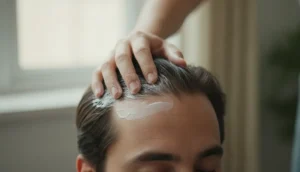
- Topical minoxidil – stimulates follicles and extends the anagen phase.
- Oral finasteride – reduces dihydrotestosterone (DHT) levels, useful for androgen‑related acceleration.
- Platelet‑rich plasma (PRP) therapy – delivers growth factors directly to the scalp, supporting regeneration.
- Foliküler Ünite Ekstraksiyonu (FUE) – a minimally invasive transplant technique that relocates healthy follicles.
- Direct Hair Implantation (DHI) – a refined FUE method offering higher graft survival rates.
At Gold City Hair, our experienced team tailors each treatment plan to the individual’s hair loss pattern and underlying stress factors. For patients whose hair loss is primarily due to telogen effluvium, we often combine stress‑management counseling with PRP sessions to accelerate regrowth.
Regardless of the chosen modality, a comprehensive approach that addresses both the physiological and psychological aspects yields the best long‑term results.
Why Choose Gold City Hair for Your Hair Restoration Journey
Gold City Hair has been delivering personalized hair restoration solutions in Turkey since 2017. Our clinic specializes in advanced techniques such as FUE, DHI, and eyebrow or beard transplants, all performed by board‑certified surgeons. We prioritize transparent communication, thorough pre‑procedure screening, and post‑treatment support to ensure each patient regains confidence with natural‑looking results.
Take the First Step Toward Healthier Hair
Ready to stop stress‑related shedding and restore your hair? Contact Gold City Hair today for a confidential consultation and discover a customized plan that addresses both your stress factors and hair restoration goals.
SSS
Does stress cause hair loss?
Yes, stress can trigger hair loss by pushing follicles into the resting (telogen) phase.
What is telogen effluvium and how is it related to stress?
Telogen effluvium is a diffuse shedding condition caused by a sudden shift of hair follicles into the telogen phase, often triggered by stress.
How can I tell if my hair loss is stress‑related?
Look for diffuse thinning, increased hair on pillows, and recent stressful events within the past few weeks to months.
What lifestyle changes can reduce stress‑induced hair shedding?
Adopt mind‑body practices, regular exercise, proper sleep, balanced nutrition, and consider counseling.
Which medical treatments are effective for stress‑related hair loss?
Topical minoxidil, oral finasteride, PRP therapy, and hair‑transplant techniques like FUE or DHI are commonly used.
Can stress‑induced hair loss be reversed?
Yes, most cases are reversible once the stressor is removed and appropriate care is taken.