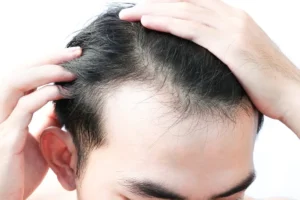
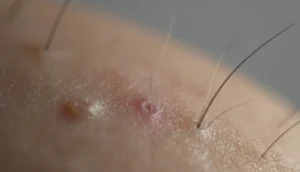
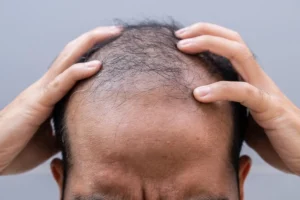
When hair begins to thin, many people wonder if the dormant hair follicles can be awakened. This article explores the biology behind follicular dormancy, the factors that push follicles into a resting state, and the most effective strategies—both natural and clinical—to bring them back to life. According to recent dermatology studies, up to 40% of hair loss cases involve follicles that are not dead but simply inactive, meaning there is real potential for regrowth.
We will start by identifying the primary triggers that cause follicles to go dormant, then dive into the hair growth cycle to see where the interruption occurs. Next, you’ll discover evidence‑based lifestyle changes, nutritional tips, and cutting‑edge medical treatments that can stimulate new growth. Finally, we’ll outline how to maintain active follicles after reactivation, ensuring lasting results and renewed confidence.
Whether you are dealing with early‑stage thinning or have noticed patches of hair loss, understanding the science of dormant follicles equips you with the knowledge to make informed decisions about your hair restoration journey.
What Causes Hair Follicles to Become Dormant?
Hair follicles enter a dormant phase when the delicate balance of hormones, nutrients, and cellular signals is disrupted. While some follicles permanently lose their ability to produce hair, many simply pause, awaiting the right conditions to resume growth.
Key Factors Leading to Dormancy
- Hormonal fluctuations – Elevated dihydrotestosterone (DHT) can shrink the hair papilla, shortening the anagen (growth) phase.
- Micronutrient deficiencies – Lack of iron, zinc, and biotin weakens the hair bulb’s metabolic activity.
- Chronic stress – Cortisol spikes trigger inflammation that can push follicles into the telogen (resting) stage.
- Environmental toxins – Pollution and harsh chemicals damage the follicular epithelium.
- Aging – Natural decline in stem cell activity reduces the follicle’s regenerative capacity.
The table below contrasts the characteristics of active and dormant follicles, helping you recognize the signs of each state.
| Characteristic | Active Follicle (Anagen) | Dormant Follicle (Telogen) |
|---|---|---|
| Growth Length | 2‑6 years of continuous growth | Typically 2‑3 months of rest |
| Hair Shaft Diameter | Thick, pigmented | Thin, often unpigmented |
| Cellular Activity | High mitotic rate in the matrix | Low mitotic activity, stem cells quiescent |
| Scalp Appearance | Full, healthy look | Visible thinning, miniaturization |
Understanding these triggers is the first step toward reactivating dormant hair follicles. By addressing hormonal imbalances, correcting nutrient gaps, and managing stress, you create a more favorable environment for follicles to re‑enter the growth cycle.
The Science Behind the Hair Growth Cycle
The hair growth cycle is a continuous process that consists of three main phases: anagen, catagen, and telogen. When a follicle becomes dormant, it is typically stuck in the telogen stage, unable to transition back to anagen without external stimulation.
Phases of the Cycle
- Anagen (Growth Phase) – Lasts 2‑6 years; the hair bulb rapidly divides, pushing the hair shaft upward.
- Catagen (Regression Phase) – A brief 2‑3 week period where cell division slows and the follicle shrinks.
- Telogen (Resting Phase) – Lasts 2‑3 months; the hair is shed and the follicle prepares to re‑enter anagen.
Critical structures such as the hair papilla ve hair bulb regulate these transitions. The papilla supplies blood and nutrients, while the bulb contains stem cells that generate new keratinized cells. When blood flow diminishes or signaling molecules like insulin‑like growth factor (IGF‑1) drop, the follicle can linger in telogen, becoming what we call a dormant follicle.
Research shows that stimulating the papilla with growth factors—either through topical agents or platelet‑rich plasma (PRP)—can coax dormant follicles back into anagen. This scientific foundation underlies many modern hair restoration therapies offered at clinics worldwide.
Natural Ways to Reactivate Dormant Follicles
While medical interventions are powerful, many individuals prefer to begin with natural approaches that support overall scalp health and encourage dormant follicles to awaken.
Lifestyle and Nutritional Strategies
- Protein‑rich diet – Hair is primarily keratin; adequate protein fuels follicular cells.
- Omega‑3 fatty acids – Reduce inflammation and improve blood circulation to the scalp.
- Biotin and zinc supplements – Essential for the enzymatic processes in the hair bulb.
- Scalp massage – Mechanical stimulation increases micro‑circulation, delivering oxygen and nutrients.
- Low‑level laser therapy (LLLT) – Non‑invasive light energy that activates cellular metabolism in the papilla.
Below is a quick reference guide for daily habits that promote follicle reactivation.
| Habit | Frequency | Expected Benefit |
|---|---|---|
| Scalp massage | 5‑10 minutes daily | Improved blood flow, stimulation of stem cells |
| Omega‑3 intake (e.g., fish oil) | 2‑3 servings per week | Reduced inflammation, healthier follicle environment |
| Biotin supplement (5,000 µg) | Once daily | Enhanced keratin production |
| LLLT device use | 3‑4 sessions per week | Activation of dormant papilla cells |
Consistency is key. Most natural methods show visible improvement after 3‑6 months of regular practice, as the follicles gradually shift from a dormant to an active state.
Medical Treatments for Reviving Dormant Follicles
When natural methods are insufficient, medical treatments provide targeted ways to reactivate dormant hair follicles. These options are often combined with lifestyle changes for optimal outcomes.
Topical and Oral Therapies
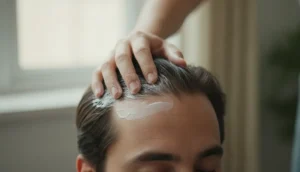
- Minoxidil (Rogaine) – A vasodilator that prolongs the anagen phase and enlarges miniaturized follicles.
- Finasteride – An oral 5‑α‑reductase inhibitor that reduces DHT levels, preventing further follicle shrinkage.
- Topical peptides – Growth‑factor‑rich formulas that directly stimulate the papilla.
Procedural Interventions
| Procedure | How It Works | Typical Results | Recovery Time |
|---|---|---|---|
| Platelet‑Rich Plasma (PRP) | Injects concentrated platelets to release growth factors | 30‑60% increase in hair density after 3‑4 sessions | 1‑2 days mild redness |
| Foliküler Ünite Ekstraksiyonu (FUE) | Transplants healthy follicles from donor area to balding zones | Long‑term, permanent hair growth | 7‑10 days |
| Direct Hair Implantation (DHI) | Implants follicles using a patented pen, minimizing trauma | High graft survival, natural appearance | 5‑7 days |
At Gold City Hair, we assess each patient’s follicular health to determine whether dormant follicles can be revitalized with medication, PRP, or a transplant. The key is early intervention; the longer follicles remain dormant, the lower the chance of full recovery.
Maintaining Active Follicles After Reactivation
Reactivating dormant follicles is only half the battle; sustaining their activity requires ongoing care. Failure to maintain a supportive environment can cause newly active follicles to slip back into dormancy.
Long‑Term Scalp Health Practices
- Regular scalp cleansing with mild, sulfate‑free shampoos to avoid follicular irritation.
- Periodic low‑level laser sessions or microneedling to keep blood flow optimal.
- Annual check‑ups with a hair restoration specialist to monitor progress.
- Stress‑management techniques such as meditation, yoga, or regular exercise.
- Continued supplementation of key nutrients (iron, vitamin D, zinc) as recommended by a healthcare professional.
Adopting these habits not only protects the follicles you have revived but also creates a fertile ground for any remaining dormant follicles to awaken over time.
Why Choose Gold City Hair
At Gold City Hair, we combine cutting‑edge medical expertise with a personalized, transparent approach to hair restoration. Since 2017, our clinic in Turkey has helped thousands of clients reactivate dormant hair follicles using proven techniques such as FUE, DHI, and PRP. Our team prioritizes individualized treatment plans, ensuring each patient receives the most appropriate combination of natural advice and clinical interventions to achieve lasting, natural‑looking results.
Ready to awaken your dormant hair follicles and regain confidence? Contact Gold City Hair today to schedule a personalized consultation and discover the best path to fuller, healthier hair.
SSS
What are dormant hair follicles?
Dormant hair follicles are hair roots that have entered the resting (telogen) phase and temporarily stop producing visible hair.
What causes hair follicles to become dormant?
Hormonal imbalances, nutrient deficiencies, chronic stress, environmental toxins, and aging can push follicles into dormancy.
How can I naturally reactivate dormant follicles?
Adopt a protein‑rich diet, supplement with omega‑3, biotin and zinc, massage the scalp, and use low‑level laser therapy.
Which medical treatments are effective for reviving dormant follicles?
Topical minoxidil, oral finasteride, peptide formulas, PRP injections, and hair‑transplant procedures like FUE and DHI.
How long does it take to see results after reactivating follicles?
Visible regrowth typically appears after 3‑6 months of consistent treatment, with full results up to 12 months.
How can I maintain active follicles after treatment?
Maintain scalp hygiene, continue low‑level laser or microneedling, manage stress, and schedule regular check‑ups.