Many people notice that a dry scalp often goes hand‑in‑hand with hair loss, but the exact relationship can be confusing. This article explores why dry scalp and hair loss frequently appear together, outlines the underlying causes, and provides practical steps you can take to restore a balanced scalp environment. According to dermatology research, up to 30 % of individuals with chronic dandruff also report noticeable thinning of hair, highlighting the importance of addressing scalp health early.
We will break down the science behind scalp dryness, examine how inflammation and follicle stress can accelerate hair shedding, and compare medical and natural treatment options. Whether you are dealing with occasional itchiness or persistent thinning, understanding the root causes empowers you to choose the most effective solution.
By the end of this guide, you will have a clear roadmap for managing a dry scalp, preventing further hair loss, and knowing when professional intervention may be the best path forward.
Causes of Dry Scalp and Hair Loss
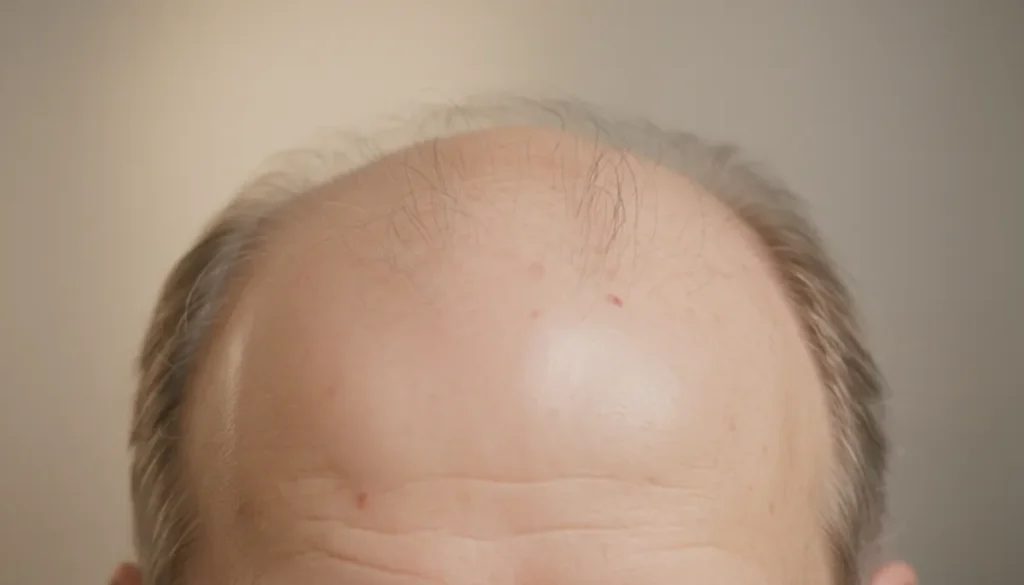
A variety of factors can trigger both scalp dryness and hair thinning. Recognizing these triggers is the first step toward effective treatment.
Environmental Factors
- Cold, low‑humidity weather strips natural oils from the scalp.
- Excessive use of heat styling tools can damage the cuticle and reduce moisture retention.
- Harsh water quality, especially hard water, leaves mineral deposits that irritate the skin.
Medical Conditions
Several dermatological conditions link directly to a dry, itchy scalp and progressive hair loss. Alopesi (including androgenetic alopecia and alopecia areata) often co‑exists with scalp inflammation. Seboreik dermatit and eczema can cause flaking that resembles dandruff but is actually a sign of an impaired barrier function.
Other contributors include thyroid disorders, iron deficiency, and autoimmune diseases that disrupt the hair growth cycle, leading to telogen effluvium—a temporary shedding phase.
| Factor | Impact on Scalp | Potential Hair Loss Effect |
|---|---|---|
| Cold weather | Reduced sebum production | Increased brittleness, breakage |
| Hard water | Mineral buildup | Follicle irritation, shedding |
| Thyroid imbalance | Altered skin turnover | Diffuse thinning |
| Seboreik dermatit | Inflammatory flaking | Follicle miniaturization |
Understanding whether your scalp issues stem from external irritants or internal health problems helps you target the right dry scalp treatment and minimize hair loss.
How Dry Scalp Contributes to Hair Thinning
A dry, itchy scalp creates an environment that can accelerate hair shedding. When the skin lacks moisture, it becomes more prone to inflammation, which directly damages hair follicles.
Inflammation and Follicle Damage
- Excessive scratching from an itchy scalp disrupts the follicular epithelium.
- Inflammatory cytokines shorten the anagen (growth) phase, pushing hairs into the telogen (resting) phase.
- Repeated micro‑injuries weaken the anchoring of hair shafts, leading to breakage.
These mechanisms explain why individuals with chronic dryness often notice “hair thinning” before visible bald patches appear.
| Symptom | Underlying Process | Resulting Hair Change |
|---|---|---|
| Flaking | Barrier disruption | Reduced protection, increased breakage |
| Itchiness | Inflammatory response | Follicle miniaturization |
| Redness | Vasodilation | Shortened growth cycle |
Addressing the root cause of dryness not only soothes the scalp but also halts the cascade that leads to hair thinning.
Effective Treatments for Dry Scalp
Choosing the right dry scalp treatment depends on the severity of symptoms and any underlying conditions.
Over‑the‑Counter Shampoos
Look for products containing pyrithione zinc, ketoconazole, or salicylic acid. These ingredients control flaking while gently moisturizing the scalp. A dry scalp shampoo with added aloe vera or oat extract can further soothe irritation.
Natural Remedies
- Tea tree oil (2–3 drops per ounce of carrier oil) offers antimicrobial benefits.
- Apple cider vinegar rinses restore pH balance and reduce buildup.
- Shea butter or coconut oil masks provide deep hydration.
Consistent use—typically 2–3 times per week—produces noticeable improvements within four to six weeks.
| Option | Key Ingredient | Primary Benefit |
|---|---|---|
| Medicated Shampoo | Pyrithione zinc | Anti‑fungal, reduces flakes |
| Tea Tree Oil Mix | Tea tree oil | Antimicrobial, calming |
| Vinegar Rinse | Apple cider vinegar | pH balancing, clears residue |
| Oil Mask | Shea butter | Deep moisture, barrier repair |
When choosing a product, avoid harsh sulfates and alcohol‑based formulas, as they can exacerbate dryness and contribute to further hair loss.
Lifestyle Changes to Prevent Hair Loss
Daily habits play a crucial role in maintaining scalp health and preventing further hair thinning.
Diet and Nutrition
- Increase intake of omega‑3 fatty acids (salmon, flaxseeds) to support skin hydration.
- Consume biotin‑rich foods (eggs, nuts) to strengthen hair shafts.
- Stay hydrated—aim for at least eight glasses of water daily.
Scalp Care Routine
Adopt a gentle cleansing schedule: wash with lukewarm water, massage the scalp lightly to stimulate circulation, and finish with a cool rinse to close pores.
| Do | Don’t |
|---|---|
| Use a soft brush to distribute natural oils. | Scrub aggressively with nails. |
| Apply a lightweight moisturizer after washing. | Leave heavy conditioners on the scalp. |
| Protect hair from UV exposure with a hat. | Expose scalp to prolonged sun. |
Consistent, mindful care reduces the risk of dry scalp flare‑ups and creates a supportive environment for new hair growth.
Ne Zaman Profesyonel Yardım Alınmalı?
If your scalp remains persistently dry despite home care, or if you notice rapid hair shedding, it’s time to consult a specialist.
Signs of Underlying Alopecia
- Sudden, patchy bald spots.
- Persistent redness or scaling that doesn’t improve with OTC shampoos.
- Family history of androgenetic alopecia.
Hair Transplant Options
Modern techniques such as Follicular Unit Extraction (FUE) and Direct Hair Implantation (DHI) offer permanent solutions for pattern baldness and scarring alopecia. At Gold City Hair, each patient receives a personalized assessment to determine the most appropriate method.
| Approach | Typical Use | Avantajlar |
|---|---|---|
| Medical therapy (minoxidil, finasteride) | Early‑stage thinning | Non‑invasive, affordable |
| FUE transplant | Male/female pattern baldness | Natural‑looking, minimal scarring |
| DHI transplant | Advanced alopecia | Higher graft survival rate |
Early intervention not only stops further loss but also maximizes the success of any surgical restoration.
Why Choose Gold City Hair for Your Hair Restoration Needs
Gold City Hair has been delivering personalized hair restoration solutions in Turkey since 2017. Our clinic combines cutting‑edge FUE and DHI techniques with a compassionate, transparent approach, ensuring each patient feels informed and confident throughout the journey. With a focus on safety, aesthetic excellence, and long‑term results, we help you regain both hair density and self‑esteem.
Ready to transform your scalp and restore healthy hair? Contact Gold City Hair today to schedule a free virtual consultation and discover the best plan for your unique needs.
Take the first step toward a revitalized scalp—your confidence is just a call away.
SSS
What causes dry scalp and hair loss?
Dry scalp and hair loss can be triggered by environmental factors, medical conditions, and nutritional deficiencies.
How does a dry scalp lead to hair thinning?
Dryness causes inflammation and micro‑injuries that shorten the growth phase and weaken follicles.
What are the best over‑the‑counter shampoos for dry scalp?
Shampoos with pyrithione zinc, ketoconazole, or salicylic acid combined with soothing agents work well.
Can natural remedies help with dry scalp and hair loss?
Yes, ingredients like tea tree oil, apple cider vinegar, and carrier‑oil masks can restore balance and reduce inflammation.
When should I see a dermatologist for scalp issues?
If dryness persists despite home care, or if you notice rapid shedding, patchy bald spots, or persistent redness.
What hair transplant options does Gold City Hair offer?
Gold City Hair provides FUE, DHI, and medical therapies like minoxidil and finasteride.





