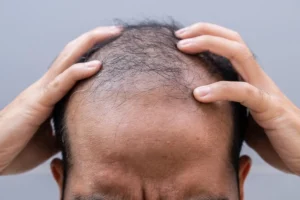
Bu beginning of a receding hairline is often subtle, appearing as a slight widening of the forehead or a few missing strands along the temples. Recognizing these early cues can help you act before noticeable thinning progresses. According to recent dermatology surveys, up to 30% of men notice the first signs before the age of 30, while many women experience a similar pattern in their late 30s. Understanding what to look for, why it happens, and how to intervene empowers you to protect your hair and confidence.
In this article we will explore the visual markers that signal the start of a receding hairline, examine the hormonal and genetic factors that drive the process, and outline both non‑surgical and surgical solutions available today. Whether you are seeking lifestyle adjustments, medical therapies, or permanent restoration, the information below will guide you toward an informed decision.
By the end of the reading, you will be able to differentiate normal hairline maturation from early recession, choose appropriate preventative measures, and know when to consult a specialist for advanced treatment.
Recognizing the First Visible Changes

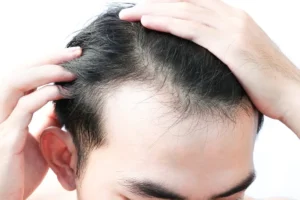
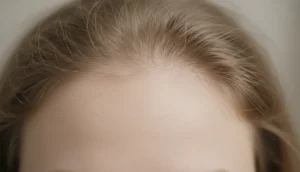
The earliest indication of a receding hairline is a gradual increase in the distance between the hairline and the eyebrows. You may notice a small “M” shape forming at the temples, or a thinning patch that becomes more apparent when the hair is wet or styled.
Key visual cues include:
- Loss of hair density along the temples.
- Formation of an “M” or “U” shape.
- Increased visibility of the scalp when hair is pulled back.
- Noticeable change when looking in the mirror after a haircut.
These signs differ from a mature hairline, which is a natural, stable shape that does not continue to move backward over time. A mature hairline typically retains its position after puberty, whereas a receding hairline shows progressive migration.
Common Causes Behind Early Hairline Recession
Understanding why the hairline begins to recede is essential for selecting the right treatment. The most prevalent contributors include hormonal shifts, genetic predisposition, and environmental stressors.
| Cause | Mechanism | Typical Impact on Hairline |
|---|---|---|
| Dihydrotestosterone (DHT) | Androgen that miniaturizes hair follicles | Gradual thinning at temples and crown |
| Genetic inheritance | Family pattern of follicle sensitivity | Early onset, often before age 30 |
| Stress & poor nutrition | Disrupts hair growth cycle | Diffuse shedding, accentuates recession |
| Medical conditions | Thyroid disorders, alopecia areata | Irregular hair loss, may affect hairline |
Among these, DHT‑related miniaturization is the primary driver of the receding hairline in both men and women. Men typically experience a more pronounced pattern due to higher androgen levels, while women may notice a diffuse thinning that eventually reaches the frontal zone.
Other secondary factors such as frequent use of tight hairstyles, harsh chemical treatments, and excessive heat styling can accelerate the process. Recognizing the underlying cause helps tailor a treatment plan that addresses the root rather than just the symptom.
Non‑Surgical Strategies to Slow Down the Process
Before considering surgical options, many patients benefit from a combination of lifestyle adjustments, topical medications, and oral therapies that target the hormonal pathway.
Key non‑surgical approaches include:
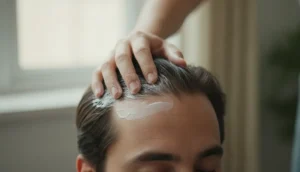
- Topical minoxidil – a vasodilator that prolongs the growth phase of follicles.
- Finasteride or dutasteride tablets – oral 5‑α‑reductase inhibitors that lower DHT levels.
- Low‑level laser therapy (LLLT) – stimulates cellular activity in the scalp.
- Nutritional supplementation – biotin, zinc, and vitamin D support healthy hair growth.
- Stress‑management techniques – meditation, regular exercise, and adequate sleep reduce cortisol‑induced shedding.
When used consistently, these measures can stabilize the hairline for many individuals. For example, clinical trials show that daily minoxidil 5% can improve hair density at the frontal zone by up to 25% after six months of use.
It is important to set realistic expectations: non‑surgical treatments generally maintain existing hair rather than fully restore lost strands. Patients often combine several methods to achieve the best possible outcome.
When Surgical Intervention Becomes the Best Option
For individuals whose hairline continues to recede despite diligent non‑surgical care, a hair transplant may offer a permanent solution. The two most widely used techniques are Foliküler Ünite Ekstraksiyonu (FUE) ve Direct Hair Implantation (DHI). Both methods relocate healthy donor follicles—typically from the back of the scalp—to the thinning frontal area.
Key considerations when evaluating surgical options:
- Donor density: Sufficient healthy follicles must be available.
- Desired hairline design: Customized to match facial proportions.
- Recovery time: FUE usually requires 7‑10 days of limited activity.
- Potential side effects: Temporary swelling, mild discomfort, rare scarring.
Success rates for FUE and DHI in treating the frontal zone exceed 90% when performed by experienced surgeons. The transplanted hair behaves like natural hair, growing and shedding in a normal cycle, which means results become fully visible after 12‑18 months.
Choosing a reputable clinic is crucial. Look for certifications, before‑and‑after portfolios, and transparent communication about the expected number of grafts, cost structure, and postoperative care.
Maintaining Results After Treatment
Whether you opt for medical therapy or a transplant, ongoing maintenance is essential to preserve the hard‑won results. The following practices are recommended for long‑term hairline health:
- Continue low‑dose minoxidil for at least six months post‑procedure.
- Schedule regular follow‑up appointments with your specialist.
- Adopt a balanced diet rich in protein, omega‑3 fatty acids, and antioxidants.
- Avoid excessive heat styling and harsh chemical treatments.
- Protect the scalp from UV radiation with a hat or sunscreen.
Patients who integrate these habits report higher satisfaction and lower rates of secondary recession. Remember that hair follicles, like any other part of the body, thrive when supported by a healthy lifestyle and appropriate medical care.
Why Choose Gold City Hair for Hairline Restoration
Gold City Hair has been delivering personalized hair restoration solutions in Turkey since 2017. Our clinic specializes in advanced FUE ve DHI techniques, ensuring natural‑looking results that blend seamlessly with your existing hair. We prioritize transparent communication, thorough pre‑operative assessment, and post‑procedure support, helping you regain confidence with a tailored hairline plan.
Ready to take control of your hairline? Contact Gold City Hair today for a free, no‑obligation consultation and discover the most effective path to a fuller, younger‑looking forehead.
Start your journey now—our expert team is here to guide you every step of the way.
SSS
What are the first signs of a receding hairline?
The earliest signs include a widening forehead, an “M” or “U” shape at the temples, and thinning that becomes visible when hair is wet or pulled back.
What causes an early receding hairline?
The main causes are hormonal changes (especially DHT), genetics, stress, poor nutrition, and certain medical conditions.
Can non‑surgical treatments stop a receding hairline?
Yes, options like minoxidil, oral finasteride, low‑level laser therapy, supplements, and stress management can slow or stabilize recession.
When should someone consider a hair transplant for a receding hairline?
When the hairline continues to recede despite consistent non‑surgical care and sufficient donor hair is available.
How can results be maintained after a hair transplant or medical treatment?
Continue low‑dose minoxidil, attend follow‑up appointments, maintain a healthy diet, avoid harsh styling, and protect the scalp from UV exposure.
Why choose Gold City Hair for hairline restoration?
Gold City Hair offers experienced FUE and DHI surgeons, transparent communication, and comprehensive pre‑ and post‑operative support.