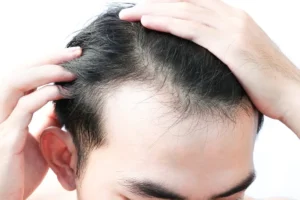
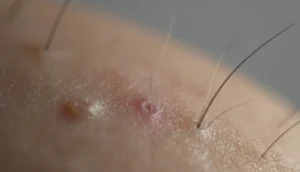
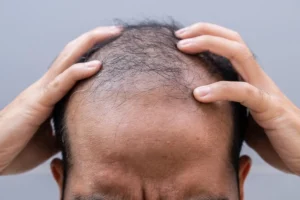
Bu early stages of hair loss often go unnoticed until a noticeable thinning pattern emerges, leaving many people unsure of when to act. Recognizing the first signs is crucial because timely intervention can halt further progression and preserve existing follicles. In fact, studies show that up to 40% of men and women notice significant thinning before the age of 30, yet only a fraction seek professional advice early enough.
This article walks you through the most common indicators, underlying causes such as alopecia ve male pattern baldness, practical self‑assessment tools, lifestyle adjustments, and the point at which a specialist should be consulted. By the end, you’ll have a clear roadmap for protecting your hair and maintaining confidence.
Whether you’re dealing with a receding hairline, diffuse thinning, or a sudden increase in hair fall, understanding the early mechanisms empowers you to choose the right preventive or restorative strategy.
Recognizing Early Signs of Hair Loss
Spotting the early stages of hair loss requires paying attention to subtle changes that many dismiss as normal shedding. Below are the most reliable visual cues to monitor on a weekly basis.
- Increased hair on your pillow or in the shower drain.
- Visible thinning at the crown or along the hairline.
- Widening part, especially on the top of the scalp.
- More scalp showing when you pull hair back.
- Noticeable shedding after a stressful event or illness.
These signs often correlate with telogen effluvium, a temporary shedding phase triggered by stress, hormonal shifts, or nutritional deficiencies. Early detection allows you to address reversible factors before permanent follicular miniaturization sets in.

Common Causes Behind Early Hair Loss
Understanding why the early stages of hair loss occur helps you target the right treatment. Below is a concise overview of the most frequent contributors.
| Cause | Typical Pattern | Key Notes |
|---|---|---|
| Androgenetic alopecia | Receding hairline, thinning crown | Genetic sensitivity to DHT; most common in men and women. |
| Alopecia areata | Round, smooth bald patches | Autoimmune; can appear suddenly. |
| Telogen effluvium | Diffuse shedding across scalp | Triggered by stress, illness, or medication. |
| Traction alopecia | Fringe loss, especially at temples | Result of tight hairstyles; reversible if caught early. |
| Nutritional deficiencies | General thinning, brittle hair | Lack of iron, zinc, or biotin can accelerate shedding. |
While male pattern baldness (androgenetic alopecia) dominates male cases, women often experience diffuse thinning linked to hormonal changes or iron deficiency. Identifying the root cause early guides you toward the most effective preventive or therapeutic measures.
How to Assess Your Hair Using the Norwood Scale and Other Tools
Self‑assessment is a practical first step when you suspect you are in the early stages of hair loss. The Norwood scale provides a standardized visual reference for male pattern baldness, while the Ludwig scale serves a similar purpose for women.
- Take a clear, well‑lit photograph of your scalp from the front, side, and top.
- Compare your images to the Norwood or Ludwig charts to determine your current stage.
- Measure the width of your part and note any widening over time.
- Count the number of hairs lost during a typical wash (10–100 hairs is normal).
- Track changes weekly in a simple journal or digital app.
Consistent tracking helps you differentiate normal shedding from progressive loss. If you notice a shift of more than one stage on the Norwood scale within six months, it’s a strong indicator to seek professional evaluation.
Lifestyle Changes and Preventive Measures
While genetics play a major role, lifestyle adjustments can significantly slow the early stages of hair loss. Below is a quick‑reference table of evidence‑based habits.
| Change | Benefit for Hair | Implementation Tip |
|---|---|---|
| Balanced diet rich in iron, zinc, and biotin | Supports follicle health and reduces shedding | Include leafy greens, lean meats, nuts, and eggs daily. |
| Stress management (meditation, exercise) | Reduces telogen effluvium episodes | Schedule 20‑minute mindfulness sessions each morning. |
| Avoid tight hairstyles | Prevents traction alopecia | Opt for loose ponytails or braids; limit use of hair ties. |
| Gentle hair care products | Minimizes follicle irritation | Choose sulfate‑free shampoos and avoid daily heat styling. |
| Regular scalp massage | Improves blood flow to hair follicles | Massage for 5 minutes each night using fingertips. |
Adopting these habits early can create a resilient environment for your hair, often delaying the need for surgical intervention.
When to Seek Professional Treatment
If you’ve monitored your condition for several months and notice that the early stages of hair loss are advancing despite lifestyle changes, it’s time to consult a specialist. Early professional intervention offers several advantages:
- Accurate diagnosis using dermoscopy and blood tests.
- Personalized treatment plans, including topical minoxidil, oral finasteride, or low‑level laser therapy.
- Assessment for surgical options such as FUE or DHI transplants if medical therapy is insufficient.
- Guidance on managing alopecia areata or other autoimmune conditions.
Most clinics, including Gold City Hair, recommend a comprehensive evaluation before the hair loss progresses beyond the Norwood stage II or Ludwig stage I. Early surgical consultation can secure donor area integrity and improve long‑term outcomes.
Why Choose Gold City Hair for Early Hair Loss Solutions
Gold City Hair combines over six years of expertise with state‑of‑the‑art FUE and DHI techniques, delivering personalized care from initial assessment through post‑procedure follow‑up. Our team prioritizes transparent communication, ensuring you understand each step and realistic expectations. By addressing hair loss in its early stages, we maximize the potential for natural‑looking, long‑lasting results while minimizing downtime.
Ready to take control of your hair health? Contact Gold City Hair today for a free, no‑obligation consultation and discover a tailored plan that fits your lifestyle and goals.
Start your journey toward thicker, fuller hair—schedule your appointment now.
SSS
What are the early signs of hair loss?
Early signs include increased shedding on pillows, a widening part, visible thinning at the crown or hairline, and more scalp showing when hair is pulled back.
Which conditions cause early hair loss?
Common causes include androgenetic alopecia, alopecia areata, telogen effluvium, traction alopecia, and nutritional deficiencies such as iron or biotin lack.
How can I assess my hair loss using the Norwood scale?
Take clear photos of your scalp, compare them to the Norwood chart, measure part width, count daily shed hairs, and track changes over weeks.
What lifestyle changes can slow early hair loss?
Adopt a balanced diet rich in iron, zinc, and biotin, manage stress, avoid tight hairstyles, use gentle hair products, and massage the scalp regularly.
When should I see a specialist for hair loss?
If hair loss progresses despite lifestyle changes, or you reach Norwood stage II/Ludwig stage I, schedule a professional evaluation.
Why choose Gold City Hair for early hair loss treatment?
Gold City Hair offers six years of expertise, advanced FUE/DHI techniques, personalized care, and early‑stage focus for optimal outcomes.