Finding a reliable male pattern baldness cure is a top priority for millions of men worldwide who notice their hair thinning each year. This article explores the science behind hair loss, reviews the most effective medical and surgical treatments, and offers practical lifestyle tips to help you regain a fuller appearance. Did you know that over 40% of men begin to lose noticeable hair by age 35? Understanding why this happens and what can be done about it is the first step toward a lasting solution.
We will break down the underlying causes of androgenetic alopecia, compare prescription options such as finasteride and minoxidil, and examine cutting‑edge hair transplant techniques like FUE and DHI. By the end of this guide, you’ll have a clear roadmap to choose the right hair loss treatment for your unique situation and learn how to maintain results over the long term.
Whether you are just starting to see thinning patches or have already experienced significant balding, the strategies outlined here aim to provide a comprehensive male pattern baldness cure that blends medical science with realistic expectations.
Erkek Tipi Kellik ve Nedenlerini Anlamak
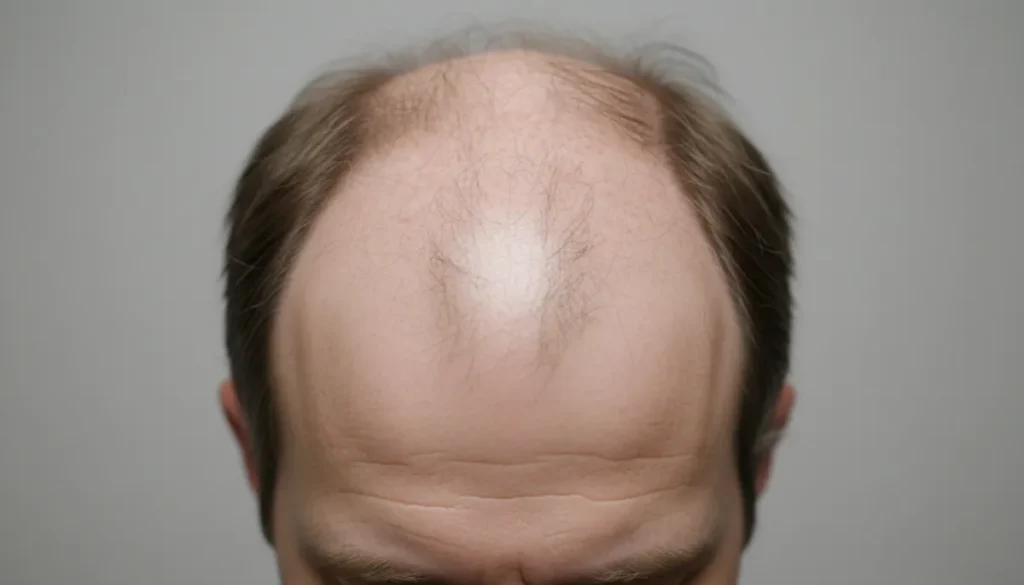
Male pattern baldness, medically known as androgenetic alopecia, is the most common form of hair loss in men. It follows a predictable pattern—typically a receding hairline and thinning at the crown—driven by a combination of genetics and hormones.
What Is Androgenetic Alopecia?
This condition results from hair follicles becoming sensitive to dihydrotestosterone (DHT), a derivative of testosterone. Over time, DHT shrinks the follicles, shortening the growth phase of each hair strand and eventually leading to miniaturization.
Genetic and Hormonal Factors
Family history is a strong predictor: if your father or grandfather experienced early balding, you are more likely to follow the same pattern. Hormonal fluctuations, especially elevated DHT levels, accelerate the process.
Key points to remember:
- Hair loss typically begins in the late teens to early 30s.
- Both genetics and DHT play central roles.
- Early intervention can preserve existing hair.
| Factor | Impact on Hair Follicles |
|---|---|
| Genetic predisposition | Increases follicle sensitivity to DHT |
| High DHT levels | Shortens anagen (growth) phase |
| Age | Reduces regenerative capacity of follicles |
Medical Treatments: From Medications to Laser Therapy
For many men, the first line of defense against hair loss involves non‑surgical hair loss treatments. These options aim to halt further loss, stimulate new growth, or both.
Finasteride and Minoxidil
Finasteride, an oral prescription drug, works by inhibiting the enzyme that converts testosterone to DHT, thereby reducing follicle miniaturization. Minoxidil, a topical solution, improves blood flow to the scalp and extends the hair growth phase. When used together, they provide a synergistic effect that can significantly improve hair density.
Low‑Level Laser Therapy (LLLT)
LLLT devices emit red light wavelengths that stimulate cellular activity within hair follicles. Clinical studies suggest modest improvements in hair thickness after consistent use over several months.
Pros and cons of common medical options:
- Finasterid: Highly effective for DHT‑related loss, but may cause sexual side effects in a small percentage of users.
- Minoxidil: Easy to apply, works for both crown and frontal areas, but requires daily use.
- LLLT: Non‑invasive and painless, yet results vary and require long‑term commitment.
Choosing the right regimen depends on the stage of balding, tolerance for medication, and personal preferences. Consulting a qualified specialist can help tailor a plan that maximizes results while minimizing unwanted effects.
Surgical Options: Hair Transplant Techniques
When medical treatments are insufficient, many men turn to surgical solutions that provide a permanent hair transplant cure. Modern techniques have evolved to deliver natural‑looking results with minimal downtime.
Foliküler Ünite Ekstraksiyonu (FUE)
FUE involves harvesting individual hair follicles from a donor area—usually the back of the scalp—and implanting them into balding zones. This method leaves tiny dot‑like scars that are virtually invisible.
Direct Hair Implantation (DHI)
DHI is a refinement of FUE where follicles are loaded into a specialized implanter pen and placed directly into the recipient site without creating pre‑made incisions. This can improve graft survival rates and allow for greater precision.
Comparison of popular transplant methods:
| Technique | Avantajlar | Disadvantages |
|---|---|---|
| FUE | Minimal scarring, flexible donor area, quick recovery | Longer procedure time, higher cost per graft |
| DHI | Higher graft survival, precise angle control, no need for pre‑incisions | Even higher cost, requires specialized equipment |
| Strip (FUT) | Cost‑effective for large sessions, high graft yield | Linear scar, longer healing period |
Both FUE and DHI are performed under local anesthesia and can be completed in a single day. Results typically become visible after three to four months, with full density achieved by the 12‑month mark.
Lifestyle and Natural Approaches to Slow Hair Loss
While medical and surgical interventions address the root causes of balding, everyday habits can also influence the speed of hair loss. Integrating supportive lifestyle changes creates a holistic plan that works alongside professional treatments.
Nutrition and Supplements
Hair is primarily made of keratin, a protein that requires adequate intake of vitamins and minerals. Nutrients such as biotin, zinc, iron, and vitamin D have been linked to healthier hair growth. Incorporating foods like eggs, nuts, leafy greens, and fatty fish can provide these essential building blocks.
Scalp Care Practices
Gentle cleansing, regular massage, and avoiding harsh styling products help maintain a healthy scalp environment. Low‑level scalp massage stimulates blood flow, which can enhance the effectiveness of topical treatments.
Simple daily routine to support hair health:
- Wash with a mild, sulfate‑free shampoo twice daily.
- Apply a nourishing conditioner focusing on the ends.
- Massage the scalp for 2–3 minutes using fingertips.
- Take a daily supplement containing biotin and zinc, after consulting a physician.
These natural strategies are not a stand‑alone cure for thinning hair, but they complement medical and surgical options, helping to preserve existing follicles and improve overall hair quality.
Why Choose Gold City Hair
Gold City Hair has been delivering personalized hair restoration solutions in Turkey since 2017. Our clinic specializes in advanced FUE and DHI techniques, ensuring natural‑looking results with minimal downtime. We prioritize transparent communication, thorough pre‑operative assessments, and post‑procedure support, helping each client feel confident throughout their journey toward a lasting male pattern baldness cure.
Ready to take the first step toward a fuller head of hair? Contact Gold City Hair today to schedule a confidential consultation and discover the most effective treatment plan for your needs.
SSS
What causes male pattern baldness?
Male pattern baldness is caused by genetic sensitivity of hair follicles to dihydrotestosterone (DHT), leading to follicle miniaturization.
How do finasteride and minoxidil work together to treat hair loss?
Finasteride blocks DHT production while minoxidil improves scalp blood flow, together providing a synergistic effect on hair density.
What are the main differences between FUE and DHI hair transplant techniques?
FUE extracts individual follicles and implants them manually, while DHI uses a specialized implanter pen for direct placement without pre‑made incisions.
Can low‑level laser therapy (LLLT) really improve hair thickness?
LLLT can modestly increase hair thickness for some users, but results vary and require long‑term commitment.
What lifestyle changes support hair health alongside medical treatments?
A nutrient‑rich diet, scalp massage, gentle cleansing, and appropriate supplements can help maintain hair health.
Why should I choose Gold City Hair for my hair transplant?
Gold City Hair offers advanced FUE and DHI techniques, experienced surgeons, and comprehensive pre‑ and post‑procedure support in Turkey.





