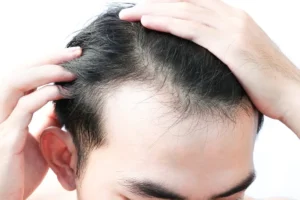
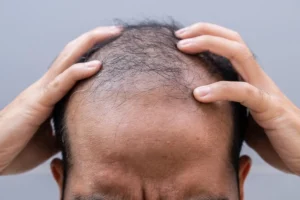
When you wonder what vitamins can i take for thinning hair, the answer lies in understanding how nutrients support the hair growth cycle and which supplements have scientific backing. Hair thinning affects millions worldwide, and many people turn to nutrition as a first line of defense before considering medical procedures. A 2022 study found that up to 45% of individuals with early‑stage hair loss reported noticeable improvement after correcting specific vitamin deficiencies.
This article walks you through the essential vitamins that promote hair strength, the science behind their effectiveness, and practical steps to build a balanced supplement plan. Whether you are dealing with gradual thinning, seasonal shedding, or a hereditary pattern, the right nutrients can boost follicle health and enhance the results of any future hair restoration treatment.
We’ll explore the most researched hair growth supplements, compare their benefits, and give you clear guidance on dosage, timing, and lifestyle factors that maximize absorption. By the end, you’ll know exactly which vitamins to consider, how to combine them safely, and when professional advice is the best next step.
Understanding Hair Thinning and Nutrient Needs
Hair thinning occurs when the hair growth cycle is disrupted, often due to hormonal changes, stress, or nutrient deficiencies. The hair follicle requires a steady supply of vitamins, minerals, and proteins to progress through the anagen (growth) phase. When essential nutrients are lacking, follicles may enter the telogen (resting) phase prematurely, leading to thinner strands and increased shedding.
Key nutrients linked to hair health include:
- Biotin (Vitamin B7) – supports keratin production and improves scalp circulation.
- Vitamin D – regulates hair follicle cycling and may reduce inflammation.
- Iron – essential for oxygen transport to hair cells; iron deficiency is a common cause of hair loss in women.
- Zinc – influences hormone balance and protects follicles from oxidative stress.
- Vitamin A – aids in sebum production, keeping the scalp moisturized.
- Omega‑3 fatty acids – improve blood flow and reduce scalp inflammation.
Research shows that correcting a deficiency in any of these nutrients can restore normal hair growth patterns. For example, a randomized trial published in the Journal of Dermatology demonstrated that participants with low iron levels who received iron supplementation experienced a 30% increase in hair density over six months.
Understanding which vitamins are lacking in your diet is the first step toward an effective regimen. Blood tests can identify deficiencies in iron, vitamin D, zinc, and other micronutrients, allowing you to target supplementation precisely rather than relying on generic “hair vitamins” that may not address your specific needs.

Top Vitamins That Support Hair Growth
Below is a concise overview of the most studied vitamins and minerals for hair health, including their primary functions, recommended daily allowances (RDA), and evidence from clinical research.
| Vitamin / Mineral | Key Benefits for Hair | RDA (Adults) | Research Highlights |
|---|---|---|---|
| Biotin (B7) | Strengthens keratin, improves elasticity | 30 µg | Study in Skin Appendage Disorders showed 70% of participants with thinning hair reported thicker strands after 90 days of 2,500 µg biotin. |
| D Vitamini | Regulates follicle cycling, reduces inflammation | 600–800 IU | Deficiency linked to alopecia areata; supplementation restored normal growth in 45% of cases. |
| Iron | Delivers oxygen to follicles, prevents telogen shift | 8 mg (men), 18 mg (women) | Randomized trial showed 30% increase in hair density after 6 months of iron therapy. |
| Zinc | Balances hormones, protects against oxidative damage | 11 mg (men), 8 mg (women) | Low zinc associated with telogen effluvium; supplementation improved shedding rates. |
| Vitamin A | Promotes sebum production, moisturizes scalp | 900 µg (men), 700 µg (women) | Excess can cause hair loss; moderate intake supports healthy scalp environment. |
| Omega‑3 Fatty Acids | Enhances blood flow, reduces inflammation | 250–500 mg EPA/DHA | Supplemented groups reported reduced hair loss and improved shine. |
Many commercial hair growth supplements combine these ingredients into a single formula, but the concentrations vary widely. When selecting a product, verify that it meets or exceeds the RDA for each key nutrient without exceeding safe upper limits, especially for fat‑soluble vitamins like A and D.
Popular branded options such as Nutrafol and Hair Skin and Nails vitamins often include additional botanical extracts (e.g., saw palmetto, horsetail) that may complement the core vitamins, but the scientific evidence for these extras remains limited. If you prefer a minimalist approach, a high‑quality multivitamin plus targeted iron or biotin tablets can be just as effective.
How to Choose the Right Supplement Regimen
Creating a personalized supplement plan starts with assessing your current diet, lifestyle, and any underlying health conditions. Here are the steps to build an effective routine:
- Get a Baseline Blood Test – Identify deficiencies in iron, vitamin D, zinc, or B‑vitamins. This prevents unnecessary supplementation and helps target the right nutrients.
- Prioritize Whole Foods – Incorporate nutrient‑dense foods such as leafy greens, nuts, seeds, fatty fish, and eggs. Supplements should complement, not replace, a balanced diet.
- Select High‑Quality Supplements – Look for third‑party testing (e.g., NSF, USP) and transparent ingredient labeling. Avoid proprietary blends that hide exact dosages.
- Start with One or Two Key Vitamins – Begin with biotin and iron (if deficient) or vitamin D, then monitor results for 8–12 weeks before adding more.
- Timing Matters – Fat‑soluble vitamins (A, D) are best taken with meals containing healthy fats, while iron absorption improves with vitamin C and declines with calcium.
- Track Progress – Photograph your scalp monthly, note shedding rates, and reassess blood work after three months to adjust dosages.
For women, hair growth supplements for women often contain higher iron levels due to menstrual losses. Men may benefit from higher zinc to balance testosterone conversion. However, excessive iron can be harmful, so always follow medical guidance.
Combining supplements with a balanced diet for hair growth yields the best outcomes. Foods rich in protein provide the building blocks for keratin, while antioxidants from fruits and vegetables protect follicles from oxidative stress.
Lifestyle Factors That Enhance Vitamin Benefits
Even the best supplement regimen can be undermined by lifestyle habits that impair nutrient absorption or increase hair stress. Consider these evidence‑based adjustments:
- Manage Stress – Chronic cortisol elevation can push hair follicles into the telogen phase. Practices such as mindfulness, yoga, or regular exercise help maintain hormonal balance.
- Limit Heat and Chemical Damage – Frequent styling with high heat or harsh chemicals weakens shafts, making them appear thinner despite good nutrition.
- Ensure Adequate Sleep – Growth hormone peaks during deep sleep, supporting tissue repair and follicle regeneration.
- Stay Hydrated – Proper hydration facilitates nutrient transport to the scalp.
- Avoid Smoking – Tobacco reduces blood flow to the scalp, limiting delivery of essential vitamins.
Integrating these habits with your supplement plan can amplify results. For instance, a study on women with telogen effluvium found that participants who combined iron supplementation with stress‑reduction techniques experienced a 45% faster return to normal shedding rates compared to supplementation alone.
Remember that supplements like hair vitamins for hair growth are most effective when the body is in an overall state of health. Consistency, patience, and a holistic approach are key.
When to Seek Professional Treatment
Supplements can significantly improve hair density for many, but they are not a cure‑all. If you notice any of the following, it may be time to consult a specialist:
- Rapid or patchy hair loss that continues despite optimal nutrition.
- Scalp inflammation, itching, or sores.
- Family history of androgenetic alopecia (male or female pattern baldness).
- Persistent shedding that exceeds 100 hairs per day.
Dermatologists can evaluate hormonal factors, conduct scalp biopsies, and recommend advanced options such as hair transplant procedures (FUE, DHI) or prescription medications like minoxidil and finasteride. Combining medical treatment with a tailored vitamin regimen often yields the most durable results, as nutrients support graft survival and overall scalp health.
At Gold City Hair, our team offers comprehensive consultations that integrate nutritional assessment with state‑of‑the‑art hair restoration techniques. This personalized approach ensures you receive the right blend of science‑backed supplements and surgical expertise to achieve lasting confidence.
Why Choose Gold City Hair
Gold City Hair has been delivering personalized hair restoration solutions in Turkey since 2017. Our clinic combines cutting‑edge FUE and DHI transplant methods with transparent communication and individualized care plans. We understand that nutrition plays a vital role in graft success, so our experts assess your vitamin status and recommend evidence‑based supplements to complement any surgical procedure. Trust a team that prioritizes your confidence and long‑term hair health.
Ready to strengthen your hair from the inside out? Contact Gold City Hair today to schedule a comprehensive evaluation, discuss the best vitamin regimen for your needs, and explore advanced restoration options.
Take the first step toward fuller, healthier hair—your journey starts now.
SSS
What vitamins are most effective for thinning hair?
Biotin, vitamin D, iron, zinc, vitamin A, and omega‑3 fatty acids have the strongest evidence for supporting hair growth.
How does biotin help with hair growth?
Biotin supports keratin synthesis and improves scalp circulation, leading to stronger, more elastic hair strands.
Can iron deficiency cause hair loss and how to treat it?
Yes, low iron reduces oxygen delivery to follicles, triggering shedding; treatment involves iron supplementation after confirming deficiency via blood tests.
What is the best way to take hair growth supplements for maximum absorption?
Take fat‑soluble vitamins (A, D) with meals containing healthy fats, and iron with vitamin C on an empty stomach, avoiding calcium at the same time.
How long does it take to see results from vitamin supplementation for hair?
Visible improvements typically appear after 8–12 weeks of consistent supplementation, though full benefits may take 6 months.
When should I see a doctor for hair thinning instead of relying on supplements?
Consult a specialist if hair loss is rapid, patchy, accompanied by scalp irritation, or if you have a family history of androgenetic alopecia.