If you’re wondering how to help thinning hair, you’re not alone. Millions of adults experience hair thinning at some point, and the concern often goes beyond aesthetics—it can affect confidence and overall well‑being. This article explores practical strategies, from simple daily habits to cutting‑edge medical solutions, that empower you to address thinning hair effectively.
Recent studies indicate that up to 40 % of men and 30 % of women notice noticeable thinning by age 35. While genetics play a significant role, lifestyle, nutrition, and scalp health are equally influential. Understanding these factors is the first step toward a tailored plan that supports hair density and growth.
In the sections that follow, we will break down the science behind hair loss, recommend proven hair growth products, discuss medical interventions such as hair transplant techniques, and share lifestyle tweaks that sustain results over the long term. By the end, you’ll have a clear roadmap for tackling thinning hair with confidence.
Understanding the Causes of Hair Thinning
Hair thinning is rarely caused by a single factor. Instead, it results from a combination of genetic predisposition, hormonal changes, nutritional deficiencies, and external stressors. Recognizing the root cause helps you select the most effective interventions.
Genetic and Hormonal Influences
Androgenic alopecia, commonly known as male or female pattern baldness, is driven by the hormone dihydrotestosterone (DHT). In men, DHT shrinks hair follicles, while women may experience diffuse thinning due to hormonal fluctuations during menopause or polycystic ovary syndrome (PCOS).
Nutritional Deficiencies
Insufficient intake of iron, zinc, biotin, and vitamin D can impair keratin production, leading to weaker strands and increased shedding. A balanced diet rich in lean proteins, leafy greens, and omega‑3 fatty acids provides the building blocks for healthy hair.
Environmental and Lifestyle Factors
Chronic stress, smoking, and exposure to harsh chemicals can disrupt the hair growth cycle. Additionally, frequent use of heat styling tools and tight hairstyles may cause mechanical damage that accelerates thinning.
| Factor | Impact on Hair | Typical Signs |
|---|---|---|
| Genetics (DHT) | Follicle miniaturization | Receding hairline, crown thinning |
| Nutrient Deficiency | Reduced keratin synthesis | Fine, brittle strands, shedding |
| Stress & Lifestyle | Disrupted growth cycle | Diffuse thinning, sudden hair loss |
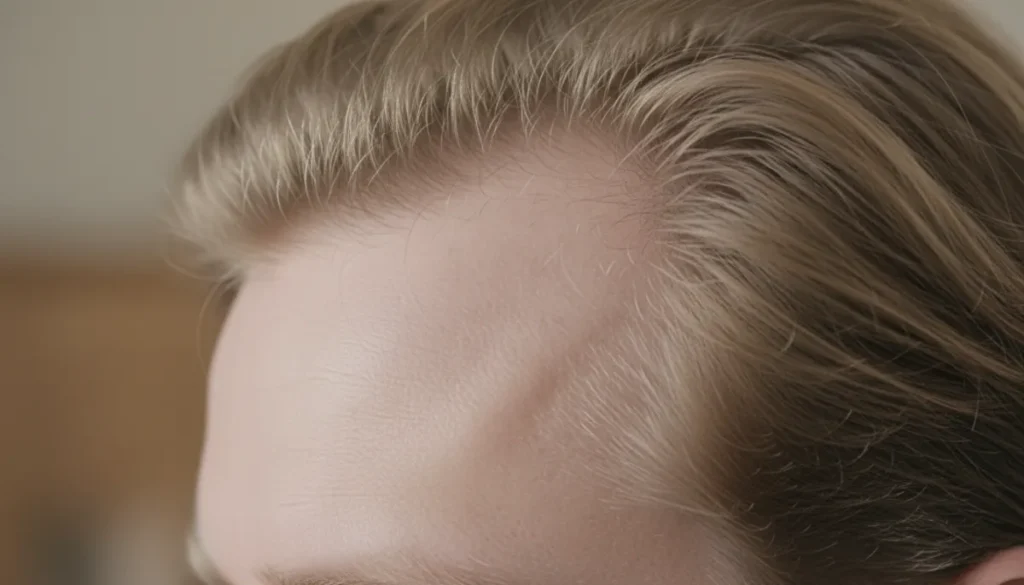
Daily Care Practices That Strengthen Fine Hair
Consistent, gentle care creates an environment where hair can thrive. Simple adjustments to your routine can dramatically reduce breakage and promote healthier growth.
Gentle Cleansing and Conditioning
Bir seçim yapın best shampoo for thinning hair that is sulfate‑free and contains biotin or caffeine. These ingredients stimulate the scalp without stripping natural oils. Follow with a lightweight conditioner that focuses on the mid‑lengths and ends, avoiding heavy residues near the roots.
Scalp Stimulation Techniques
Massaging the scalp for 3–5 minutes daily increases blood flow, delivering oxygen and nutrients to follicles. Use your fingertips in circular motions or a silicone scalp brush for a gentle yet effective massage.
Heat and Styling Precautions
- Limit flat‑iron and curling iron use to no more than twice a week.
- Set styling tools to the lowest effective temperature (usually ≤ 350°F/180°C).
- Apply a heat‑protectant spray before styling.
Protective Hairstyles
Opt for loose braids, low ponytails, or natural textures that minimize tension on the hair shaft. Avoid tight buns or excessive pulling, which can cause traction alopecia.
Selecting the Right Hair Growth Products and Supplements
When daily care alone isn’t enough, targeted hair growth products and supplements can provide the extra boost needed to combat thinning.
Topical Treatments
- Minoxidil (2% for women, 5% for men) – FDA‑approved solution that prolongs the anagen phase.
- Caffeine‑infused serums – Help counteract DHT effects at the follicle level.
- Peptide‑based formulas – Support follicular communication and regeneration.
Oral Supplements
Effective supplements combine vitamins, minerals, and botanical extracts:
| Supplement | Key Ingredients | Benefit |
|---|---|---|
| Hair Growth Complex | Biotin, Zinc, Vitamin D, Saw Palmetto | Supports keratin production and reduces DHT |
| Omega‑3 Capsules | EPA/DHA | Reduces inflammation, improves scalp health |
| Collagen Peptides | Hydrolyzed Collagen, Vitamin C | Strengthens hair shaft, enhances elasticity |
Choosing Wisely
Look for products that are clinically tested and free from harsh additives. If you have underlying medical conditions or are pregnant, consult a dermatologist before starting any regimen.
Medical and Surgical Options for Persistent Thinning
For individuals whose thinning does not respond to topical or oral therapies, medical interventions offer a more definitive solution. Understanding the options helps you decide whether a professional procedure aligns with your goals.
Prescription Medications
- Finasterid (1 mg daily) – Inhibits DHT production; proven effective for male pattern hair loss.
- Spironolactone – Anti‑androgen used off‑label for women with hormonal thinning.
Low‑Level Laser Therapy (LLLT)
Devices such as laser combs or caps emit red light that stimulates cellular activity in the follicle, encouraging growth. Clinical trials show a 30 % increase in hair density after six months of regular use.
Hair Transplant Techniques
Modern transplant methods, including FUE (Follicular Unit Extraction) ve DHI (Doğrudan Saç İmplantasyonu), relocate healthy follicles from a donor area to thinning zones. These procedures provide natural‑looking, permanent results when performed by experienced surgeons.
| Procedure | How It Works | Typical Recovery |
|---|---|---|
| Finasterid | Blocks conversion of testosterone to DHT | 2–3 months to notice reduced shedding |
| LLLT | Red light stimulates follicular metabolism | Continuous use; no downtime |
| FUE/DHI Transplant | Harvests and implants individual follicles | 7‑10 days for initial healing, 12‑18 months for full growth |
When to Consider Surgery
Ideal candidates have stable hair loss patterns, sufficient donor hair, and realistic expectations. A thorough consultation with a qualified clinic, such as Gold City Hair, will assess scalp health, donor density, and the most appropriate technique.
Lifestyle Adjustments for Long‑Term Hair Health
Even after choosing the right products or procedures, sustainable results depend on everyday habits that nurture the scalp and overall health.
Nutrition and Hydration
- Consume at least 1.2 g of protein per kilogram of body weight daily.
- Include iron‑rich foods like spinach, lentils, and lean red meat.
- Stay hydrated; aim for 2‑3 L of water per day to maintain scalp moisture.
Stress Management
Chronic stress elevates cortisol, which can push hair follicles into the telogen (resting) phase. Incorporate relaxation techniques such as meditation, yoga, or regular aerobic exercise to keep stress levels in check.
Sleep Quality
During deep sleep, the body releases growth hormone that supports tissue regeneration, including hair follicles. Aim for 7‑9 hours of uninterrupted sleep each night.
Avoiding Harmful Chemicals
Limit exposure to harsh hair dyes, bleaching agents, and strong styling gels. When coloring is necessary, opt for ammonia‑free, low‑pH formulations and give the hair a break between sessions.
By integrating these lifestyle practices with targeted treatments, you create a comprehensive plan that not only addresses current thinning but also fortifies hair against future loss.
Why Choose Gold City Hair
Gold City Hair combines over a decade of expertise with a patient‑first philosophy. Our clinic in Turkey offers state‑of‑the‑art FUE ve DHI hair transplant techniques performed by board‑certified surgeons. We prioritize transparent communication, personalized treatment plans, and post‑procedure support to ensure lasting, natural results. Trust a team that has helped thousands regain confidence through safe, effective hair restoration.
Ready to take the next step toward fuller, healthier hair? Contact Gold City Hair today to schedule a free, no‑obligation consultation and discover the customized solution that’s right for you.
SSS
What are the common causes of hair thinning?
Hair thinning can result from genetics, hormonal changes, nutrient deficiencies, stress, and harsh styling habits.
How can daily care practices help strengthen thinning hair?
Gentle cleansing, scalp massage, heat protection, and protective hairstyles reduce breakage and promote healthier growth.
Which hair growth products are most effective for thinning hair?
Clinically proven options include minoxidil, caffeine‑infused serums, peptide formulas, and comprehensive oral supplements.
What medical treatments are available for persistent hair thinning?
Prescription meds, low‑level laser therapy, and surgical transplants like FUE and DHI are key medical options.
How does low‑level laser therapy work for hair loss?
LLLT uses red light to stimulate cellular activity in hair follicles, promoting growth and increasing density.
What lifestyle changes can support long‑term hair health?
Balanced nutrition, stress management, adequate sleep, hydration, and avoiding harsh chemicals are essential.





